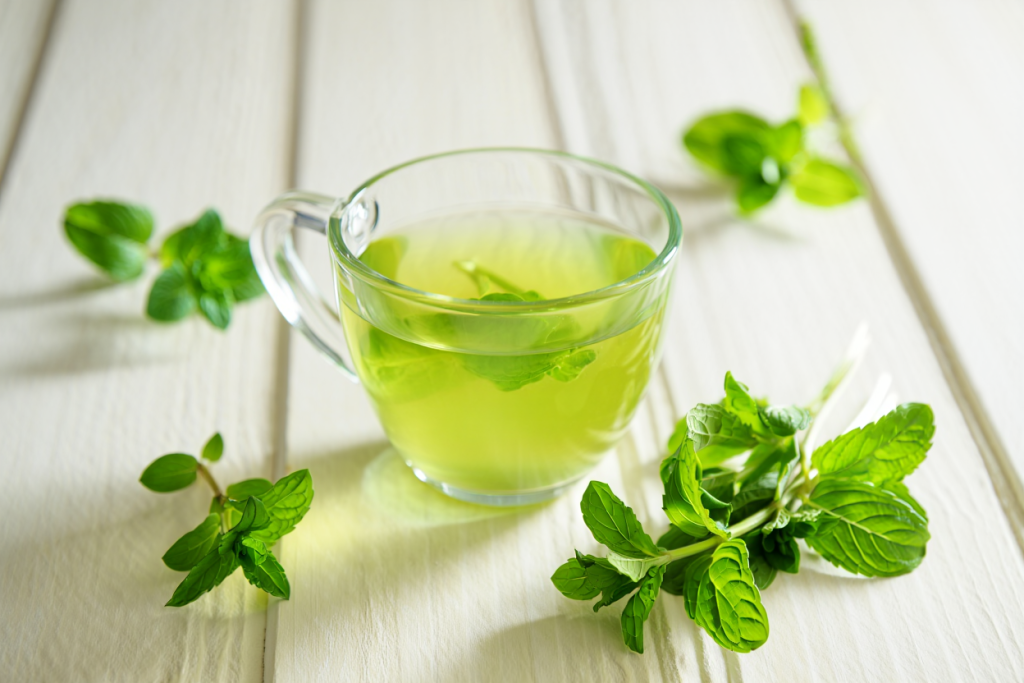
Fresh spearmint leaves provide the natural flavor and active compounds for spearmint tea, a caffeine-free herbal beverage. Spearmint (Mentha spicata) tea is naturally sugar-free and caffeine-free, making it a healthy alternative to coffee or soda. It contains antioxidant flavonoids and rosmarinic acid, which have anti-inflammatory benefits. In addition to boosting hydration and digestion, spearmint tea has gained attention for its effects on hormone balance. In particular, research shows that drinking spearmint tea can lower excess androgens (male hormones) and boost FSH/LH levels in women, helping regulate menstrual cycles, reduce PCOS symptoms, and improve acne. This article explores the many spearmint tea benefits—from hormone health and skin clarity to digestion and relaxation—and explains how to brew it, as well as possible side effects.
How Spearmint Tea Supports Hormone Balance
Spearmint tea’s reputation for hormone balance stems from its anti-androgenic effects. Androgens (like testosterone) are present in all genders but can cause symptoms (hirsutism, acne, irregular cycles) when elevated in women. Clinical trials have found that drinking spearmint tea twice daily significantly reduces free and total testosterone while raising follicle-stimulating hormone (FSH) and luteinizing hormone (LH). For example, one randomized trial gave women with PCOS 2 cups of spearmint tea per day: after one month their testosterone levels fell and LH/FSH levels rose, improving ovarian function. Another study showed similar hormone shifts in as little as 5 days of spearmint tea.
- Polycystic Ovary Syndrome (PCOS): Millions of women are affected by PCOS, a hormonal disorder with elevated androgens and irregular cycles. Spearmint tea has been shown to normalize hormone levels in PCOS. Clinical research reports that women drinking spearmint tea (3–5 grams per day) saw their testosterone drop into normal range and LH/FSH rebalance. This can improve common PCOS symptoms like missed periods and infertility. One study also noted increased estradiol after spearmint tea, suggesting better fertility. Dietitians note that 2–3 cups a day of spearmint tea is often recommended for hormone support in PCOS.
- Hormonal Acne & Hirsutism: High testosterone often triggers oily skin, acne, and unwanted facial/body hair in women. By lowering androgens, spearmint tea can reduce sebum production and inflammation. In fact, dermatologists cite research showing spearmint tea’s “significant anti-androgen effects” benefit women with hormonal acne. Participants in clinical trials reported less facial and body hair after 1 month of spearmint tea. Romito (RDN) at Cleveland Clinic explains that when testosterone is lowered, symptoms like excess hair growth and acne tend to improve or even resolve. In practice, adding spearmint tea to one’s diet has helped many find clearer skin. Its anti-inflammatory compounds (e.g. rosmarinic acid) also help reduce redness and swelling in acne lesions.
- Menstrual and Fertility Support: Regular spearmint tea may help regulate menstrual cycles. By balancing LH and FSH, it can normalize the ovulation process. A small trial found women who drank spearmint tea for 5 days had higher LH, FSH and estradiol levels, indicating better ovulatory hormone patterns. Although more research is needed, spearmint tea’s hormone-balancing action may help women conceive and experience more regular periods.
Other Health Benefits of Spearmint Tea
Beyond hormones, spearmint tea offers a variety of wellness perks:
- Antioxidant and Anti-Inflammatory: Spearmint leaves are rich in flavonoids (flavanones, flavones) and rosmarinic acid. These compounds act as antioxidants, neutralizing free radicals and reducing oxidative stress. Drinking spearmint tea can therefore help lower inflammation system-wide. Dietitians note that herbal teas (like spearmint) can reduce inflammation and potentially lower risk of chronic diseases (heart disease, diabetes, even some cancers). For the skin, antioxidants help protect against aging and damage, promoting a healthy complexion.
- Improves Digestion: Mint family herbs have a long history of soothing the stomach. Spearmint tea can relieve indigestion, gas and bloating after meals. In fact, studies show that menthol—a key compound in mint—stimulates bile secretion, which aids in fat breakdown and alleviates digestive discomfort. Many find that sipping spearmint tea after dinner eases an upset stomach and curbs nausea. It’s a gentle carminative (anti-gas) tea similar to peppermint but with a milder flavor.
- Calming and Sleep Aid: The refreshing aroma of spearmint tea can reduce stress and anxiety. Spearmint contains menthol and other essential oils known to promote relaxation. Drinking a warm cup before bed may help you unwind and improve sleep quality. While spearmint is not a sedative, its minty scent is soothing, and a caffeine-free bedtime tea can be a calming ritual.
- Oral Health & Breath: Spearmint’s antimicrobial properties help freshen breath and support oral hygiene. Chewing mint is a traditional way to clean the mouth; similarly, spearmint tea can kill bacteria in the mouth and throat. Enjoying spearmint tea may help reduce bad breath and keep your mouth feeling clean due to these antibacterial effects.
- Weight Management: While not a magic weight-loss drink, spearmint tea may slightly aid metabolism. By stimulating bile flow, spearmint can help the body break down fats more efficiently. It’s also a zero-calorie, hydrating beverage, so swapping sugary drinks for spearmint tea can reduce calorie intake. Some herbalists suggest spearmint may curb cravings and improve gut comfort during weight loss efforts. However, these effects are modest and best used alongside a balanced diet and exercise.
How to Brew Spearmint Tea
Making spearmint tea at home is easy. Follow these simple steps for a flavorful cup:
- Choose Fresh Leaves or Tea Bags: Use fresh spearmint leaves (washed and gently crushed) or quality dried spearmint tea leaves/bags. Fresh mint will have a brighter taste.
- Heat Water: Boil water, then let it cool slightly. Aim for about 190°F (88°C) rather than a rolling boil; this gentler heat extracts flavor without bitterness.
- Steep: Place about 1 teaspoon (or a few fresh sprigs) of spearmint in a cup. Pour in 8–10 oz (240–300 ml) of hot water. Cover and let steep for 3–5 minutes. Longer steeping yields a stronger tea (avoid over 10 minutes to prevent bitterness).
- Strain and Serve: Remove the leaves or tea bag. For added flavor, you can squeeze in lemon or a bit of honey. Serve the tea hot, or let it cool and pour over ice for a refreshing iced spearmint tea.
Tip: For consistent strength, use about 3–4 grams of dried spearmint (roughly 3-4 tea bags) per day, as used in studies. Drink spearmint tea 2–3 times a day to reap hormone-balancing benefits, unless advised otherwise.
Potential Side Effects and Precautions
Spearmint tea is safe for most people when consumed in moderate amounts (2–3 cups daily). However, be aware of these precautions:
- Hormonal Effects: Because spearmint tea can significantly lower androgen levels, excessive intake might overshoot hormone balance. People with already low testosterone or those on hormone therapy should use caution. Consult your doctor if you have a hormone-sensitive condition or are on medication that affects hormones.
- Pregnancy and Breastfeeding: There is no strong evidence that spearmint tea is safe in pregnancy or lactation. Experts recommend caution and advise pregnant or nursing women to limit or avoid spearmint tea. Always check with your healthcare provider.
- Gastrointestinal Issues: Mint can relax the lower esophageal sphincter, so GERD sufferers may experience worsened acid reflux with spearmint tea. If you have gastroesophageal reflux disease, ulcers, or similar gut issues, drink sparingly or avoid mint tea.
- Kidney or Liver Concerns: Herbal teas are processed through the liver and kidneys. Cleveland Clinic advises those with severe liver or kidney problems to limit spearmint tea and discuss with a doctor.
- Allergies: Although uncommon, some individuals may have a mint allergy. Discontinue use if you experience an allergic reaction (rash, breathing difficulty).
- Drowsiness: Mint teas can have a mild soothing effect. Use caution (e.g. don’t drive) if you feel unusually drowsy after drinking it.
Overall, spearmint tea side effects are rare when enjoyed in reasonable amounts. The dietitian expert Natalie Romito notes that “experts find minimal risks” and that multiple cups per day are generally safe. Still, it’s wise to err on the side of moderation.
Frequently Asked Questions
Q: How does spearmint tea balance hormones?
A: Spearmint tea has anti-androgenic properties. Studies show that drinking spearmint tea twice daily significantly lowers testosterone levels and raises FSH/LH in women. This rebalancing of sex hormones can help regulate menstrual cycles and improve conditions like PCOS.
Q: Can spearmint tea help with PCOS?
A: Yes. PCOS (Polycystic Ovary Syndrome) often involves high androgens. Research indicates that spearmint tea can benefit PCOS by reducing androgens. For example, one trial found that women with PCOS who drank spearmint tea for 1 month had lower testosterone and higher FSH/LH levels compared to placebo. This may ease symptoms like irregular periods, acne, and excess hair in PCOS patients.
Q: Will spearmint tea help reduce acne and facial hair?
A: Many people find it does. By lowering excess testosterone, spearmint tea can reduce sebum production and inflammation, leading to clearer skin. One study showed women drinking spearmint tea saw reduced hormonal acne and less facial hair (hirsutism) after a month. So if your acne or unwanted hair is hormone-related, spearmint tea may help as a natural complement to skincare.
Q: How many cups of spearmint tea should I drink per day?
A: Common practice (and clinical studies) use about 2 cups per day of spearmint tea. This typically amounts to 3–5 grams of loose spearmint leaves daily. Drinking 2–3 cups spread through the day is considered safe for most adults. Always start slow and see how you feel.
Q: How do I make the best spearmint tea?
A: Use fresh or dried spearmint leaves. Pour hot (just-boiled) water over 1 teaspoon of dried leaves (or a few fresh sprigs) and steep for 3–5 minutes. Longer steeping makes it stronger but can become bitter. Strain out the leaves, and enjoy as is or with a slice of lemon/honey. You can drink it hot or chill it for iced spearmint tea.
Q: Does spearmint tea help with weight loss?
A: Spearmint tea is not a magic weight-loss drink. However, it can aid digestion and metabolism. Mint stimulates bile secretion, helping break down fats more efficiently. Drinking spearmint tea as a zero-calorie beverage may also help you avoid sugary drinks. In moderation, it may support your weight management plan, but it won’t replace a healthy diet and exercise.
Q: What are the side effects of spearmint tea?
A: Spearmint tea is generally safe, but excessive intake can cause issues. Potential side effects include worsened acid reflux, disrupted hormones if overused, or interactions if you have hormone-related conditions. Pregnant or breastfeeding women should be cautious and consult a doctor. If you experience any adverse effects (like stomach upset or hormonal changes), reduce or stop intake. Moderation is key.
Conclusion
Spearmint tea is a soothing, caffeine-free herbal drink that offers genuine health benefits, especially for hormone balance. Its rich antioxidants help reduce inflammation, while key compounds like rosmarinic acid support overall wellness. Most notably, spearmint tea’s anti-androgenic effects can help women with PCOS, hormonal acne, and irregular cycles by lowering testosterone and normalizing reproductive hormones. At the same time, it can ease digestion, calm stress, and even freshen breath.
To enjoy spearmint tea, simply steep good-quality spearmint leaves in hot water for a few minutes. Try 2 cups daily and see if you notice improvements in your hormonal symptoms or skin. Just be mindful of side effects – avoid very large amounts and consult a healthcare provider if you have special health conditions (e.g. GERD or pregnancy).
If you found this guide helpful, consider sharing it on social media or dropping a comment below. Your feedback helps others learn how spearmint tea can be a natural, gentle way to support hormone health. Enjoy your cup of spearmint tea, and here’s to balanced hormones and better well-being!
Meta Title: Spearmint Tea for Hormone Balance: PCOS, Acne, Weight Loss (60 chars)
Meta Description: Spearmint tea supports hormone balance and reduces PCOS symptoms. Learn its benefits, brewing tips, and side effects for healthier cycles and skin.