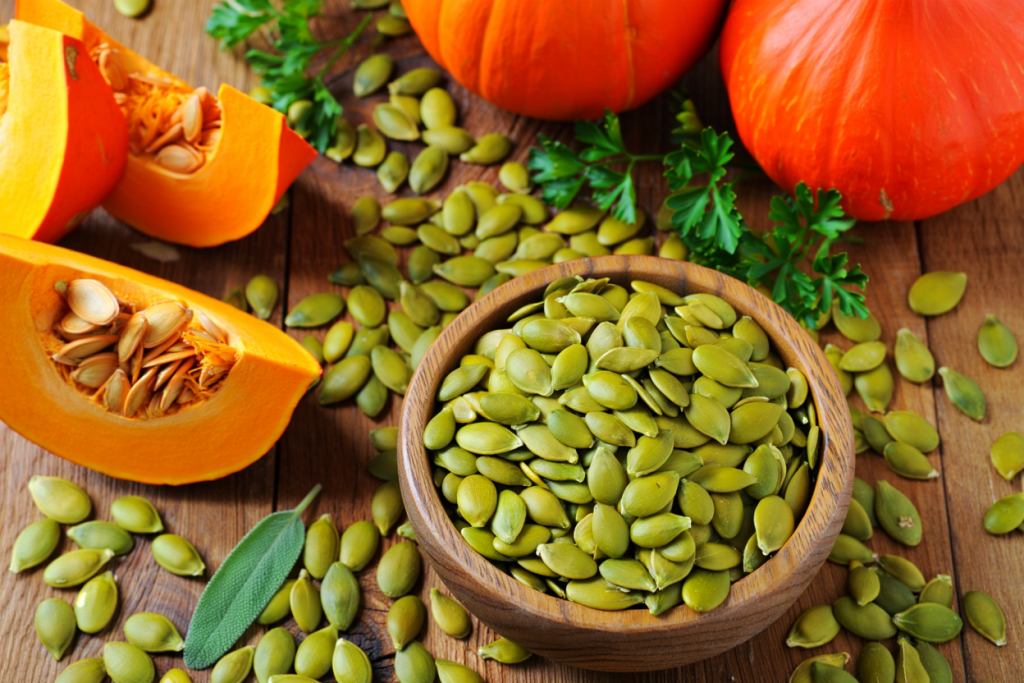
Pumpkin seeds – often called pepitas – are edible seeds from pumpkins that boast a subtle nutty taste. They can be eaten raw or roasted and pack a powerful nutritional punch. Rich in protein, healthy fats, fiber and vital minerals, pumpkin seeds benefits span many aspects of wellness. Experts note they may boost heart and prostate health, support blood sugar balance, aid sleep, and provide antioxidant protection. This article explores the science-backed pumpkin seeds benefits – from nutrition to specific uses – and shows how to make them a wholesome snack in your diet.
Nutritional Profile of Pumpkin Seeds
Pumpkin seeds are nutrient-dense. A typical serving (about 50g or ½ cup of shelled pepitas) contains around 227 calories with a balanced mix of macros. For example, 50g has roughly 15g protein, 20g fat, 9.3g carbohydrates and 2.5g fiber. Their fats are mostly unsaturated and include heart-healthy omega-3 and omega-6 fatty acids. Notably, pumpkin seeds are loaded with minerals: a 50g portion provides significant amounts of manganese, copper, magnesium, phosphorus, zinc and iron. They also contain B-vitamins, vitamin E, and antioxidants such as vitamin A precursors and phenolic compounds.
- Key Nutrients (per ~50g serving): ~227 kcal, 15g protein, 20g fat, 9.3g carbs, 2.5g fiber.
- Minerals: High in magnesium, zinc, iron, copper, manganese, phosphorus.
- Vitamins & Antioxidants: Contains vitamin E, small vitamin B’s, β-carotene and other plant compounds.
Because of this rich profile, pumpkin seeds qualify as a “powerhouse snack” that delivers substantial nutrition in a small package. Dietitians emphasize they are a great source of plant protein and micronutrients that act as antioxidants to help protect cells.
Pumpkin Seeds Benefits for Heart Health
One of the top pumpkin seeds benefits is cardiovascular support. The combination of magnesium, zinc, antioxidants and healthy fats in pumpkin seeds helps maintain heart health. Magnesium, in particular, plays a vital role in blood pressure regulation and heart muscle function. In fact, studies show pumpkin seed oil can lower blood pressure and improve cholesterol levels. In a trial of postmenopausal women, pumpkin seed oil supplements reduced diastolic blood pressure by 7% and raised HDL (good) cholesterol by 16%.
According to the Cleveland Clinic, pumpkin seeds’ high magnesium, zinc and unsaturated fat content may reduce the risk of heart disease and high blood pressure. Their antioxidants (like vitamin E and polyphenols) help prevent arterial plaque by reducing inflammation and improving blood vessel function. In summary, adding pumpkin seeds to your diet can support healthy blood pressure and cholesterol levels, contributing to overall heart health.
Pumpkin Seeds Benefits for Weight Management
Despite being energy-dense, pumpkin seeds can aid weight control when consumed in moderation. Their fiber and protein content help you feel full longer, which can curb overeating. A 1-ounce serving (28g) of pumpkin seeds contains about 1.8g of fiber – nearly 6% of the recommended daily value. Fiber slows digestion and promotes satiety; research shows high-fiber diets help people maintain a moderate weight.
Additionally, the protein and healthy fats in pumpkin seeds further boost satiety and energy expenditure. When you snack on protein-rich seeds instead of sugary chips or cookies, you’re more likely to feel satisfied and avoid blood sugar spikes. In short, pumpkin seeds benefits include aiding weight management by satisfying hunger between meals, stabilizing blood sugar, and supporting a balanced diet.
Pumpkin Seeds Benefits for Better Sleep
If you struggle with sleep, reach for pumpkin seeds before bed. They are a natural source of the amino acid tryptophan, which the body converts to serotonin and melatonin – hormones that regulate sleep. In one study, consuming tryptophan (about 1g daily) was associated with improved sleep quality. A one-ounce portion of pumpkin seeds provides a good amount of tryptophan, making it an easy way to boost intake naturally.
Moreover, pumpkin seeds are rich in magnesium, a mineral known to promote relaxation and help muscles unwind. Adequate magnesium intake has been linked to better sleep quality and shorter time to fall asleep in research studies. In combination, the tryptophan and magnesium in pumpkin seeds create a calming effect that may help you fall asleep faster and sleep more soundly. Enjoy a small handful of roasted pumpkin seeds or sprinkle them on a bedtime yogurt to support restful sleep.
Pumpkin Seeds Benefits for Men
Pumpkin seeds offer several benefits specifically for men’s health. First, they are prostate-friendly. Studies indicate that pumpkin seed oil can relieve symptoms of benign prostatic hyperplasia (BPH), a common condition involving prostate enlargement. In clinical trials, men with BPH who took pumpkin seed supplements reported fewer urinary symptoms. These seeds’ zinc and antioxidant properties are believed to help shrink prostate tissue and ease overactive bladder issues. In fact, a review notes pumpkin seeds have “the potential to be an effective treatment and preventative” for prostate problems.
Second, pumpkin seeds benefit male fertility and hormone health. They are one of the richest plant-based sources of zinc, a mineral critical for testosterone production and sperm quality. Low zinc is linked to reduced sperm count and motility; eating pumpkin seeds can help keep zinc levels optimal. Some research (in animals) has shown that pumpkin seed oil plus vitamin E improved sperm quality. Combined with their antioxidants, regular consumption of pumpkin seeds may support healthy testosterone levels and male reproductive function.
Pumpkin Seeds Benefits for Women
Women can also enjoy many pumpkin seeds benefits. For example, the iron and magnesium content supports women’s health needs. One cup of pumpkin seeds provides over half the daily iron requirement for premenopausal women. This helps prevent anemia and supports energy, especially during menstrual cycles. The high magnesium content is valuable for women’s bone health; magnesium is essential for bone formation, and higher intakes are linked to greater bone density. As women age, maintaining healthy bones and muscle function becomes crucial, and pumpkin seeds contribute to that.
Additionally, pumpkin seeds’ nutrients like vitamins A, C, E and B-vitamins help support skin, hair and hormone balance in women. For expectant mothers or those planning pregnancy, the folate (a B vitamin) in pumpkin seeds can aid neural development in the fetus. Overall, the broad nutrient profile of pumpkin seeds – including fiber, healthy fats and antioxidants – provides general wellness support that benefits women at all life stages.
Pumpkin Seeds Benefits for Hair
Pumpkin seeds and pumpkin seed oil have gained attention in hair care. They are rich in omega-3 fatty acids, vitamin E, and other antioxidants that nourish hair follicles. Dermatologists note that vitamin E and linoleic acid in pumpkin seed oil may protect and strengthen hair. In fact, a human study found men with pattern baldness who took 400 mg of pumpkin seed oil daily for 24 weeks grew 40% more hair than those on placebo.
Researchers suggest pumpkin seed oil may block the conversion of testosterone to dihydrotestosterone (DHT), a hormone that causes hair loss. This DHT-blocking effect could slow thinning hair in both men and women, especially during hormonal changes like menopause. While more studies are needed, including pumpkin seeds (or seed oil) in your diet may support hair growth and strength due to their nutrient-dense profile.
Pumpkin Seeds Benefits for Skin
The antioxidants and fatty acids in pumpkin seeds can benefit skin health. Pumpkin seeds contain vitamin E, vitamin A (beta-carotene), zinc and healthy oils that nourish and protect the skin. Vitamin E and carotenoids neutralize free radicals from sun and pollution, helping slow skin aging. Zinc is crucial for skin repair and collagen production, promoting a firm, youthful complexion. The omega-3 and omega-6 fatty acids in pumpkin seeds help maintain skin moisture and reduce inflammation, which can alleviate dryness and acne.
While scientific studies on eating pumpkin seeds for skin are limited, many nutritionists believe their anti-inflammatory properties and hydrating nutrients contribute to a glowing complexion. Using pumpkin seed oil topically has shown anti-aging and healing effects in cosmetic formulations, and eating the seeds provides many of those same benefits from within. In short, pumpkin seeds’ vitamin and oil content helps protect skin cells and support collagen, making them a natural ally for healthy skin.
Pumpkin Seeds Benefits for Prostate Health
Building on the men’s health section, pumpkin seeds specifically support prostate and urinary health. Research shows that compounds in pumpkin seeds can ease symptoms of an enlarged prostate (benign prostatic hyperplasia, BPH). In multiple human studies, men who consumed pumpkin seed oil or extracts experienced significant relief of BPH symptoms. For example, a 2021 trial gave men with BPH pumpkin seed oil and found it reduced urinary symptoms and improved quality of life.
The high zinc level in pumpkin seeds is also important: a healthy prostate contains more zinc than any other tissue, and pumpkin seeds are a rich zinc source. Adequate zinc may help inhibit prostate cell growth. In sum, pumpkin seed benefits for prostate include relief from urinary difficulties and support for gland health. They may not replace medical treatment, but adding pepitas to the diet is a simple strategy that has shown promise in preliminary studies.
Pumpkin Seeds Benefits for the Immune System
Pumpkin seeds bolster the immune system through their vitamins and antioxidants. They are rich in vitamin E, a key immune-support nutrient. Vitamin E strengthens the immune response and helps protect cells from oxidative damage. Many seeds, including pumpkin seeds, are naturally high in vitamin E. Eating foods rich in vitamin E has been linked to a more robust defense against infections.
Additionally, pumpkin seeds contain minerals like zinc and selenium (albeit in smaller amounts), which are critical for immune cell function. The combined antioxidant content (vitamins A, E and polyphenols) helps keep the immune system strong by reducing harmful inflammation. In short, regular intake of pumpkin seeds provides immune-boosting nutrients that help your body fight illness. This makes them a smart snack choice during cold and flu season or any time you want to strengthen your defenses.
How to Enjoy Pumpkin Seeds
Adding pumpkin seeds to your diet is easy and delicious. They can be eaten raw or roasted, and work well in both sweet and savory dishes. Here are some simple ways to include them:
- Snack or Salad Topper: Enjoy a handful of raw or roasted pumpkin seeds on their own as a snack, or sprinkle them over salads, soups, oatmeal or yogurt for extra crunch and nutrition.
- Bake with Seeds: Toss them into bread or muffin batter, homemade granola, or trail mix to add texture and nutty flavor. Ground seeds can even thicken sauces and smoothies.
- Roast with Seasoning: Preheat oven to 250°F. Clean and pat dry fresh pumpkin seeds. Toss with a drizzle of olive oil and spices (salt, paprika, garlic powder, etc.). Spread on a baking sheet in one layer. Roast for about 1 hour (tossing occasionally) until golden brown. This enhances their flavor and digestibility.
- Seed Butter or Dip: Blend roasted pumpkin seeds with a bit of oil and seasoning to make a spreadable butter, or grind them into sauces (like a pesto) for a nutrient boost.
Each tablespoon (about 10g) of pumpkin seeds provides a good dose of pumpkin seeds benefits, so aim for 1–2 tablespoons per day as part of meals or snacks. Just keep portions in check, as they are calorie-rich. Overall, pumpkin seeds are a versatile ingredient – add them to cereal, trail mix, baked goods or even smoothies to reap their health benefits effortlessly.
Frequently Asked Questions
Q: Are pumpkin seeds good for weight loss? Incorporating pumpkin seeds in moderation can aid weight management. Their fiber and protein content help you feel full longer, which may reduce overeating. However, they are calorie-dense, so watch portion sizes (aim for 1–2 tablespoons per serving). When enjoyed as a substitute for less nutritious snacks, pumpkin seeds can support your weight loss or maintenance goals.
Q: Do pumpkin seeds help improve sleep? Yes – pumpkin seeds contain tryptophan, an amino acid that promotes sleep by being converted into melatonin. Studies suggest that even 1 gram of dietary tryptophan can enhance sleep quality. A serving of pumpkin seeds provides a helpful amount of tryptophan, and they also supply magnesium, which can relax muscles and calm the nervous system. Eating a small snack of pumpkin seeds before bed may help you fall asleep more easily.
Q: How do pumpkin seeds benefit men’s health? Pumpkin seeds benefit men by supporting prostate and urinary function. The seeds’ high zinc content is important for prostate health. Clinical trials have shown pumpkin seed oil can reduce symptoms of an enlarged prostate (BPH), improving urination ease. Pumpkin seeds may also boost male fertility by improving sperm quality due to their zinc and antioxidant levels. Overall, regular pumpkin seed consumption is linked with healthier prostate and reproductive outcomes in men.
Q: What are the benefits of pumpkin seeds for hair? Pumpkin seeds (and especially pumpkin seed oil) contain nutrients like zinc, vitamin E and essential fatty acids that can nourish the scalp and hair follicles. Research has found men taking pumpkin seed oil experienced significantly increased hair count and thickness. It’s believed that pumpkin seed compounds may block DHT, a hormone that contributes to hair loss. Including pumpkin seeds in the diet may help strengthen hair and slow thinning over time.
Q: Are pumpkin seeds good for skin health? The antioxidants and oils in pumpkin seeds support skin health. Vitamin E and carotenoids help protect skin from UV and pollution damage, while zinc and fatty acids help maintain skin elasticity and moisture. Many people find that foods rich in antioxidants like pumpkin seeds contribute to a radiant complexion and may reduce signs of aging. In practice, using pumpkin seed oil topically has shown anti-aging benefits, and eating the seeds provides many of the same nutrients internally for skin repair and hydration.
Q: How many pumpkin seeds should I eat per day? A typical serving is about 1 ounce (28g) or roughly a 1/4 cup of shelled seeds, which delivers the benefits without too many calories (around 150 calories). You can spread this over meals or snacks. Start with a tablespoon or two per day and see how you feel – some people work up to 1–2 ounces. Be mindful that they are high in fiber and calories, so gradually increase intake and ensure adequate hydration. If digestion is sensitive, soak or lightly toast them to reduce phytic acid.
Q: Are pumpkin seeds good for heart health? Absolutely. Pumpkin seeds benefits for heart health include improving blood lipid profiles and lowering blood pressure. Their high magnesium and unsaturated fat content help relax blood vessels and boost good HDL cholesterol. Many studies support pumpkin seed oil’s role in reducing cardiovascular risk factors. Including pumpkin seeds in a heart-healthy diet (low in saturated fat and sodium) can further support cardiovascular wellness.
Conclusion
In summary, pumpkin seeds benefits are wide-ranging – from providing essential nutrients and antioxidants to promoting heart health, sleep quality, and hormonal balance. They are a truly nutritional powerhouse: a small handful delivers protein, fiber, magnesium, zinc, and healthy fats that support the immune system, skin, hair and even weight management. Whether you’re a man concerned about prostate health or a woman seeking more energy and stronger bones, adding pumpkin seeds to your diet is a simple, tasty strategy with real rewards.
Try incorporating these tiny pepitas in your meals today. Roast them with spices as a savory snack, sprinkle them on your salad or smoothie, or blend them into your morning yogurt. Share this post with friends and family who love healthy snacking, and let us know your favorite pumpkin seed recipes in the comments below. Embrace pumpkin seeds benefits and enjoy this crunchy superfood for better well-being!
Meta Title: Pumpkin Seeds Benefits: Top Reasons This Nutritious Seed Boosts Health
Meta Description: Discover the pumpkin seeds benefits as a nutrient-packed, healthy snack. Learn how pumpkin seeds support heart, bone, immune, and even sleep health. (156 chars)