The humble mustard seed carries a lot of meaning for both faith and wellness. In religious tradition, it symbolizes how great things can spring from very small beginnings – Jesus taught that even faith “as small as a mustard seed” can move mountains. At the same time, mustard seeds are nutrient-dense spice seeds packed with vitamins, minerals, and beneficial compounds. In this comprehensive guide, we’ll explore what mustard seeds really are, why they became a symbol of faith, and all the surprising health and culinary benefits they offer. We’ll cover mustard seed nutrition, cooking uses, recipes, and even tips on using mustard seed oil and home remedies. By the end, you’ll see why mustard seeds deserve a prominent place both in cultural stories and on your dinner table.
What Are Mustard Seeds?
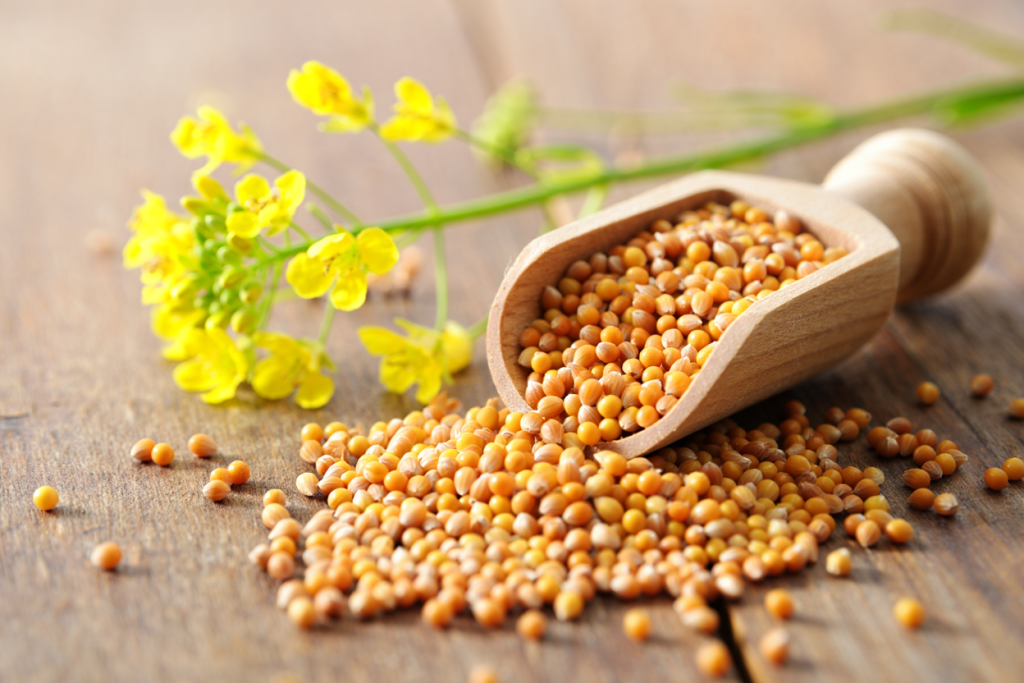
Mustard plants bloom with bright yellow flowers (as shown above) and ultimately produce the tiny round mustard seeds. These small seeds – which can be yellow, brown, or black – come from plants in the Brassicaceae family (the same family as cabbage and broccoli). Each color has its own flavor profile: brown (or black) mustard seeds (from Brassica nigra/juncea) are sharper and more pungent, while yellow/white mustard seeds (from Sinapis alba) are milder. For example, brown mustard seeds are native to the Himalayan regions and are widely used in South Asian cooking. Today mustard is grown around the world (in Canada, India, Europe, etc.), and the seeds are harvested by allowing the yellow flower pods to dry and splitting them open.
Mustard seeds are usually about 1–2 mm in diameter. When crushed and mixed with liquid, they release oils and compounds that give mustard its characteristic heat and aroma. In addition to the seeds, the plant’s young leaves (mustard greens) are eaten as a vegetable, and the oil pressed from the seeds is used for cooking and topical treatments. However, in this article we focus on the mustard seeds themselves as a spice, a symbol, and a health food.
Mustard Seed Symbolism and Faith
In religious and cultural lore, the mustard seed represents faith, hope, and growth. In the New Testament, Jesus uses the mustard seed as a metaphor. He told his disciples that even if they had faith as small as a single mustard seed, they could move mountains. This teaching emphasizes that a little true faith can produce tremendous results. Similarly, in the Parable of the Mustard Seed (found in Matthew 13:31–32, Mark 4:30–32, and Luke 13:18–19), Jesus compares the Kingdom of Heaven to a mustard seed: “Though it is the smallest of all seeds, yet when it grows, it is the largest of garden plants…”. The core lesson is that something great and far-reaching often starts from a very small and humble beginning.
- Tiny but Powerful: “The mustard seed is one of the tiniest seeds found in the Middle East,” notes a biblical study, yet Jesus used it to illustrate that “the amount of faith needed to do great things is very small indeed.”
- Humble Beginnings: Over time, the mustard plant grows into a large shrub. The parable shows that the Kingdom of God (and by extension, any worthy endeavor) can grow enormously from a seed-sized start.
Beyond Christianity, the mustard seed’s symbolism of faith can resonate in other traditions as well. Many people find the idea encouraging: no matter how small your beginnings (or how weak your faith may feel), you can still achieve remarkable things. This uplifting meaning is why the mustard seed appears frequently in sermons, writings, and art as a sign of hope and perseverance.
Nutritional Profile of Mustard Seeds
Mustard seeds are not just symbolic – they’re also nutrient-dense. A 100-gram serving of mustard seeds provides about 508 calories, mostly from healthy fats and protein. In that amount, you get roughly 36 g of fat, 26 g of protein, and 12 g of dietary fiber. (In practice, you’d use far less than 100g in a recipe, but the nutrients add up.)
Key nutrients in mustard seeds include:
- Protein & Fat: 100 g gives ~26 g protein and 36 g fat. These are mostly unsaturated fats (including omega-3 alpha-linolenic acid).
- Dietary Fiber: 12.2 g (about 32% of daily value). This high fiber content aids digestion and helps control blood sugar.
- Vitamins: Good source of B-vitamins (like niacin (Vitamin B-3) and thiamin). Mustard seeds are also very high in vitamin E – about 19.8 mg per 100 g (132% of the daily value) – which acts as an antioxidant protecting cells from damage.
- Minerals: Extremely rich in minerals. For example, 100 g contains about 370 mg magnesium (92% DV) and 208.1 µg selenium (378% DV). It also provides significant calcium, iron, zinc, and manganese.
Beyond these basics, mustard seeds are packed with glucosinolates and antioxidants (compounds also found in cruciferous veggies like broccoli). Glucosinolates, along with the healthy fats, can help reduce inflammation and support heart health. In short, mustard seeds punch far above their weight nutritionally – they bring fiber, vitamins, minerals, and bioactive plant compounds all in a tiny package.
Health Benefits of Mustard Seeds
Eating mustard seeds can benefit your health in multiple ways, thanks to their rich nutrient and phytochemical content. Some of the top mustard seed benefits include:
- Heart Health & Anti-Inflammation: Mustard seeds are rich in omega-3 fatty acids (ALA) and glucosinolates. These nutrients play a major role in reducing inflammation, which in turn lowers the risk of cardiovascular disease and even some cancers. Regularly consuming mustard seeds or oil may help lower cholesterol and support blood vessel health.
- Digestive Support: The high fiber in mustard seeds aids digestion, helps regulate bowel movements, and can help control cholesterol and blood sugar levels. In Ayurvedic medicine, mustard is prized for stimulating “digestive fire” (Agni) to improve metabolism and clear congestion. A pinch of mustard powder in meals can help keep your digestion regular.
- Pain and Arthritis Relief: Mustard seeds and mustard oil have long been used as home remedies for sore muscles and joint pain. The seeds’ natural warmth and omega-3s may relieve arthritis symptoms. In fact, some people make mustard plasters or poultices (a warm mustard seed paste on the skin) to ease muscle aches.
- Antimicrobial Properties: Compounds in mustard seeds exhibit antimicrobial effects, meaning they can help fight certain bacteria and fungi. Historically, mustard extracts were used to preserve foods and combat infections. While you shouldn’t rely on mustard alone to cure illnesses, it does add natural preservative and protective qualities to dishes.
- Respiratory and Circulatory Benefits: Mustard is traditionally used to clear nasal congestion and improve circulation. The warming oils can act as a natural decongestant for coughs and chest cold symptoms. Mustard oil massages are popular in Ayurvedic practice for boosting circulation in the body.
- Hair and Skin Health: Mustard oil (made from the seeds) is often applied to the scalp as a tonic. It’s believed to nourish hair follicles and stimulate growth. The vitamin E and nutrients in mustard oil can condition hair and help reduce dandruff. On the skin, mustard’s antioxidants can help protect against aging, and its natural oils may maintain skin moisture. Some traditional beauty treatments use mustard seed paste to exfoliate or warm the skin (though one should always patch-test first).
Each of these benefits stems from the seeds’ nutrient profile. For example, one study notes mustard’s anti-inflammatory compounds help lower cardiovascular risk. Plus, the high selenium content boosts antioxidant enzymes in your body. In short, adding mustard seeds to your diet can support overall wellness through multiple mechanisms.
Culinary Uses of Mustard Seeds
Mustard seeds are a staple spice in kitchens worldwide, prized for their unique flavor and aroma. Their culinary uses are diverse:
- Tempering (Tadka): In Indian and South Asian cooking, whole brown or black mustard seeds are often fried in hot oil until they pop and turn brown. This tempering process unlocks a deep, nutty aroma that flavors dishes like dals, vegetable stir-fries, and curries. For example, mustard seeds are traditionally added to mung dal or potato curries at the start of cooking.
- Condiments and Sauces: Mustard seeds (especially yellow or brown) are ground into mustards and sauces. Classic examples are Dijon mustard and American yellow mustard, made by mixing ground seeds with vinegar, salt, and seasonings. These condiments use the “hotness” of mustard seeds to add zip to sandwiches, dressings, and marinades.
- Pickling Spice: Whole mustard seeds add flavor and texture to pickled vegetables (mustard seed pickles are popular). The seeds’ heat infuses brines in recipes like homemade pickles, relish, or sauerkraut for tangy depth.
- Seasoning and Spice Blends: Mustard seeds feature in many spice mixes. For example, in Bangladesh and eastern India, mustard oil and seeds are a foundational flavor. In German and Mediterranean cooking, mustard seeds (often brown or black) are used in sausages, sauerkraut, or spice rubs. Mustard seeds are also a key ingredient in panch phoron, the Bengali five-spice blend.
- Mustard Oil: In countries like India and Bangladesh, mustard seeds are pressed into mustard oil, a pungent cooking oil used for frying or flavoring curries. (Traditional North Indian dishes often start by heating mustard oil in a pan.) Note: Mustard oil has a very strong taste; in some countries like the U.S., pure mustard oil is limited to external use because it naturally contains high levels of erucic acid. Nonetheless, when used in moderation, mustard oil adds bold flavor to foods.
- Other Uses: Ground mustard powder (dehydrated seeds) can tenderize meats or season potatoes. You can toast whole seeds and add them to baked dishes (roasting mellows the sharp flavor). Sprinkling a few whole seeds on top of breads or salad adds crunch and spice.
In short, mustard seeds shine in the kitchen. Whether used whole, cracked, or ground, they bring a warm, spicy kick. Cooks value them for depth of flavor; as Martha Stewart’s dietitians note, “Ground mustard seed is obviously the most popular way to eat mustard seeds as a common condiment”, and the aroma of popping seeds signals the start of something delicious.
Mustard Seed vs. Black Seed
It’s important not to confuse mustard seed with “black seed.” Black seed usually refers to Nigella sativa (also called black cumin or kalonji), which comes from a completely different plant. Nigella seeds are tiny, black, and have a peppery flavor; they are used in Middle Eastern and South Asian dishes. By contrast, mustard seeds (black or brown) come from Brassica plants.
Black cumin (Nigella sativa) is often promoted for health reasons – for example, black seed oil is touted for hair loss and inflammation. However, mustard seed oil and mustard seeds are not the same as Nigella seed. Mustard seeds yield a sharp, pungent spice, whereas Nigella has its own nutritional profile (rich in thymoquinone). In summary: when you see “black seed oil” in a health store, that’s usually Nigella, not the common mustard seed. We’ll focus on mustard seed here, but it’s worth remembering the names come from different traditions.
Mustard Seed Oil: Uses and Benefits
Oil pressed from mustard seeds is a traditional cooking and healing oil in many cultures. Mustard oil is high in monounsaturated fats and contains about 6–10% omega-3 fatty acids (ALA). It has a strong, spicy flavor. Culturally, mustard oil is used for frying in northern Indian and Bangladeshi cuisine due to its high smoke point and pungent taste.
Besides cooking, mustard oil is famed for topical uses. It is used as a massage oil to improve circulation and to soothe sore muscles. In skincare, it may help hydrate and warm the skin. Some traditional remedies apply warm mustard oil to the chest to relieve coughs and congestion.
However, note that commercial mustard oil contains erucic acid, which in high amounts has been linked to heart issues. In the United States, pure mustard oil is regulated – specialty “food-grade” mustard oils are made from low-erucic cultivars. In practice, many people mix mustard oil with other oils (like olive oil) for everyday use. If you use mustard oil in cooking, do so sparingly and be aware of local regulations.
Overall, mustard oil offers both flavor and some healthful fats, but it should be used with knowledge of its properties. (Also recall that much of mustard’s wellness effect actually comes from the seeds and their nutrients, which we cover elsewhere.)
Mustard Seeds for Hair Growth and Skin
Traditional and folk remedies often include mustard seeds or mustard oil for hair and skin. Many people believe that massaging warm mustard oil into the scalp can promote hair growth and reduce hair loss. In fact, research notes that in India it’s a common practice to apply mustard oil to the scalp for this purpose. Mustard oil is rich in Vitamin E and fatty acids, which may nourish hair follicles and improve scalp health. While scientific studies are limited, anecdotal reports suggest it adds shine and may help combat dandruff.
On the skin, mustard’s antioxidants can help slow aging. Some traditional beauty treatments use a paste of mustard seeds on the skin to exfoliate or detoxify. Mustard also contains sulfur compounds – it has been said that these can kill acne-causing bacteria and fungi on the skin (this property explains why mustard plasters were used historically to treat minor infections and acne). However, mustard can be irritating if left on too long, so it’s mainly the oil or mild poultices that are used cosmetically.
It’s clear mustard seeds aren’t just for cooking – their nutrients extend to beauty uses. In summary, using mustard seed oil on hair (once a week) is an age-old tip for healthier hair, and mustard’s natural oils and antioxidants can benefit skin health when used properly.
Mustard Seed Recipes
Mustard seeds can be incorporated into many delicious recipes. Here are a few ideas to try in your kitchen:
- Zesty Mustard Vinaigrette: Blend ground mustard seeds (or prepared mustard) with olive oil, vinegar, honey, and herbs for a bright salad dressing.
- Mustard-Crusted Fish or Chicken: Mix crushed mustard seeds with breadcrumbs and herbs, then coat fish fillets or chicken pieces before baking. The seeds toast to a nutty crunch.
- Pickled Veggies: Add whole yellow mustard seeds to your pickling jar (with vinegar, garlic, dill, etc.) for extra flavor in pickles or chutneys. The seeds soften and add a tangy spice.
- Indian Tadka Curry: Temper whole mustard seeds in hot oil until they pop, then add chopped onions, garlic, and spices. Use this flavorful base to cook lentils (dal), potatoes, or green beans.
- Homemade Mustard: Grind yellow or brown mustard seeds with vinegar, salt, and a touch of sugar or honey to make a fresh mustard condiment. Adjust spices (turmeric, garlic) to customize.
These recipes highlight how mustard seed can add both flavor and nutrition to meals. Experiment by adding a teaspoon of seeds to bread dough, rice dishes, or soups. With their bold taste, a little mustard goes a long way.
Frequently Asked Questions (FAQs)
- Q: What are the main health benefits of mustard seeds?
A: Mustard seeds support health in many ways. They’re anti-inflammatory (thanks to omega-3s and glucosinolates), aid digestion (high in fiber), and may help lower cholesterol. They also have antioxidants and minerals (like selenium and magnesium) that promote heart and immune health. In traditional medicine, mustard is used for muscle pain relief and to boost metabolism. - Q: Are mustard seeds good for hair growth?
A: Traditionally, yes. Mustard oil (from the seeds) is massaged into the scalp to strengthen hair and encourage growth. It’s rich in vitamin E and fatty acids, which nourish the scalp. Many cultures swear by it for healthy, lustrous hair. - Q: How can I use mustard seeds in cooking?
A: There are many ways! You can tempering/fry whole seeds in oil (especially in Indian cooking) to flavor dishes. Or grind them into dry powder or paste to make mustards and sauces. Add them whole to pickling brines or spice mixes. Toasting mustard seeds (dry in a pan or in baking) mellows their heat and brings out a nutty aroma. Ground mustard also makes a tangy ingredient in marinades and dressings. - Q: What’s the difference between mustard seed and black seed?
A: They’re different plants. Mustard seeds come from mustard plants (like Brassica nigra). Black seed usually refers to Nigella sativa (black cumin), a different spice. Black seed oil is often used for health remedies (hair regrowth, anti-inflammatory), but it is not the same as mustard seed oil. Flavor-wise, mustard seeds are sharp and pungent, while Nigella seeds taste more peppery and nutty. - Q: Are mustard seeds safe to eat, and can they cause heartburn?
A: Yes, mustard seeds are safe in normal culinary amounts. However, eating large quantities of raw mustard seeds can irritate the stomach. In fact, experts advise that consuming a lot of raw mustard seeds may cause heartburn or indigestion. It’s best to use them cooked or in moderation – tempering, roasting, or grinding the seeds helps release their flavor without upsetting your stomach. - Q: Can mustard seeds help with weight loss?
A: While mustard seeds are not a magic weight-loss remedy, they do contain nutrients (like B vitamins) that can support metabolism. They are low in calories (a teaspoon has very few calories) and can add lots of flavor to food without fat. Some people use mustard powder to curb appetite. In short, mustard seeds can be part of a healthy weight-loss diet by boosting flavor and nutrition, but they’re not a standalone solution. - Q: How do I store mustard seeds for best quality?
A: Store whole mustard seeds in an airtight container in a cool, dark place. They can last for years if kept dry. Ground mustard and powders lose potency faster, so keep them sealed and use within a few months for the best flavor. For mustard oil, keep it refrigerated after opening to maintain freshness.
Conclusion
The mustard seed is truly remarkable – tiny in size but immense in meaning and benefit. As a symbol, it reminds us that even the smallest seed of faith or effort can grow into something great. As a spice, it provides a powerful dose of nutrients and a unique flavor kick that can enrich your cooking and your health. From supporting heart and digestive health to spicing up your favorite dishes, mustard seeds offer real value. We hope this article has shown you the many faces of the mustard seed – from faith to fiber, from pantry to parable.
Enjoy experimenting with mustard seeds in your meals, and experience their goodness yourself. If you found this guide helpful, please share it on social media to help others learn about the magic of mustard seeds. Have a favorite mustard-seed recipe or story? Let us know in the comments below – your insights might inspire someone else’s own mustard seed moment!