The common cold is a viral infection of the nose and throat. Most adults catch 2–3 colds per year, each usually lasting about a week. Symptoms often include a runny or stuffy nose, sore throat, cough, sneezing, and general fatigue. Though there’s no cure for a cold, home remedies for cold relief can soothe symptoms and help you feel better faster. In this guide, we explore the best home remedies for cold, from herbal teas and steam inhalation to nutrition and nasal care. We’ll answer common questions and share tips so you can tackle your cold quickly and safely.
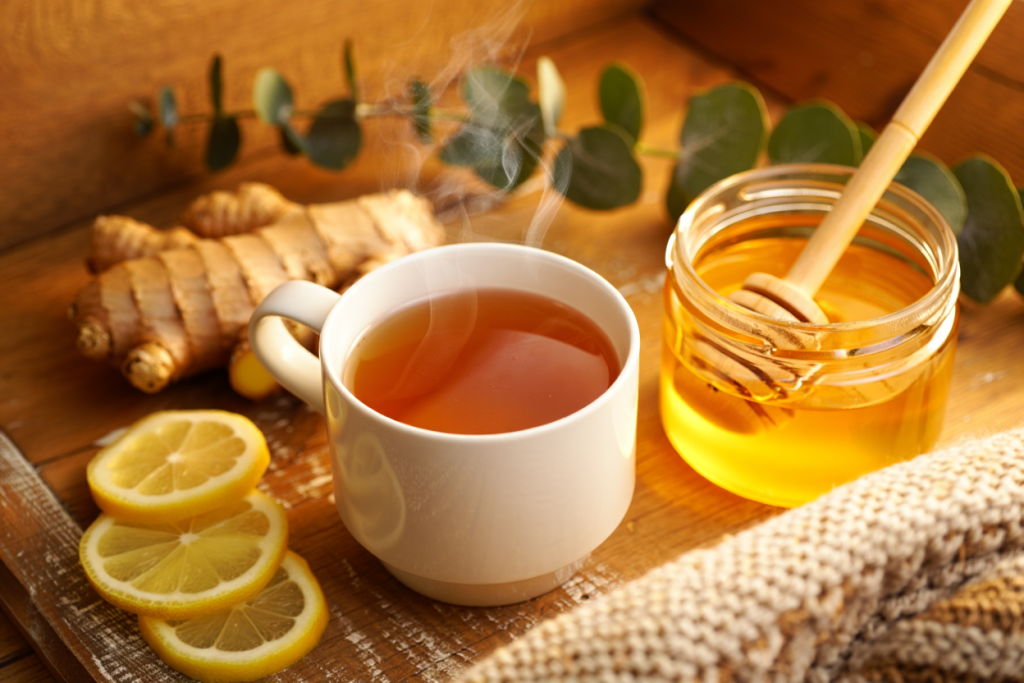
Tea mug with ginger, honey, and lemon slices — a soothing herbal home remedy for cold relief. Sipping warm fluids is one of the simplest and most effective ways to ease cold symptoms. Herbal teas (like ginger-lemon or chamomile), warm lemon water with honey, or clear broth can help relieve a sore throat and loosen congestion. For example, Mayo Clinic recommends drinking plenty of fluids such as warm lemon water with honey and tea to stay hydrated and soothe your throat. Healthline agrees that a cup of hot ginger tea with honey “can help manage the symptoms” of a cold. Honey in particular has antibacterial properties and can suppress coughs, making it an excellent addition to tea. (Remember: honey is safe for adults and children over 1 year, but should NOT be given to infants under 12 months.)
Staying well-hydrated also thins mucus, which helps clear nasal passages and chest congestion faster. In fact, experts advise avoiding caffeine and alcohol when sick, since those can dehydrate you. Instead, drink water, herbal tea, or warm broths. Chicken soup is a famous remedy not just for comfort: it contains nutrients that support the immune system and helps keep you hydrated. A steaming bowl of soup can soothe a scratchy throat and may even mildly reduce inflammation in nasal passages. Aim to sip warm liquids throughout the day, adding lemon and honey or ginger for extra relief.
Natural Remedies to Soothe a Sore Throat
-
Honey and lemon: Mix 1–2 tablespoons of honey with warm water or tea and a squeeze of lemon. Honey coats the throat and suppresses coughs, while lemon provides vitamin C and breaks up mucus.
-
Gargle salt water: Dissolve ½ to 1 teaspoon of salt in a cup of warm water. Swish and gargle for 30 seconds, then spit. Saltwater loosens mucus and eases throat pain. It can also reduce nasal congestion by thinning secretions.
-
Lozenges or hard candy: Sucking on lozenges, throat sprays, or sugar-free cough drops can moisten and comfort a sore, dry throat. (Note: lozenges and gargling aren’t safe for children under 4–6 years old.)
By keeping your throat lubricated and free of irritants, these home remedies provide quick relief from soreness and coughing. For fast-acting comfort, try alternating sips of warm lemon-honey tea with saltwater gargles throughout the day.
Home Remedies for Nasal Congestion
-
Steam inhalation: Breathe in steam from a hot shower or a bowl of hot water. Cover your head with a towel and inhale deeply through your nose for 5–10 minutes. Steam helps loosen mucus and clears nasal passages, easing congestion almost immediately. Adding a few drops of eucalyptus oil or menthol (Vicks Vapor Rub) to the hot water or humidifier can boost the effect. The menthol vapors open airways and make breathing feel easier.
-
Use a humidifier: Run a cool-mist humidifier or vaporizer in your bedroom or living area. Moist air prevents your nose and throat from drying out, which can relieve irritation and congestion. A humidifier also keeps mucus thinner so you can blow your nose more easily. Just remember to change the water daily to prevent mold.
-
Nasal saline spray or rinse: Saline nasal drops or sprays (available OTC) help flush out mucus and allergens from your nostrils. You can also use a neti pot with distilled or boiled water and salt (important for safety) to irrigate your sinuses. This often provides immediate relief from stuffiness.
Even a short session of steam or using saline can dramatically improve airflow. American Lung Association notes that besides OTC meds, simple measures like “stay hydrated by drinking plenty of fluids… use a clean humidifier or cool mist vaporizer, [and] breathe in steam” are key to easing cold symptoms.
Rest and Self-Care
-
Get plenty of rest: Perhaps the fastest way to help your body fight the cold is to rest. When you sleep or relax, your immune system works more efficiently. Mayo Clinic advises staying home and sleeping if you have a bad cough or fever. Adequate sleep also helps reduce fatigue and speeds recovery.
-
Elevate your head: If coughing or congestion worsens at night, try propping up your head with an extra pillow. Elevating your head helps sinus drainage and reduces post-nasal drip, so you can breathe more easily and sleep better.
-
Keep warm, but not too hot: Stay comfortable and avoid chills, but don’t overheat your room. A moderate room temperature is ideal. Being too cold can stress the body, while overheating (especially in winter) can dry out the air and your nasal passages.
Rest is one of the most frequently recommended “cures” for a cold. Remember: colds are caused by viruses, not bacteria, so antibiotics won’t help. Giving your body time to recuperate is essential.
Nutrition and Immune Support
Eating well is crucial when you’re sick. Even if your appetite is low, try to eat small, nutritious meals:
-
Vitamin C: Foods rich in vitamin C (citrus fruits, berries, peppers, leafy greens) support immune function. Squeezing fresh lemon into tea isn’t a guaranteed cure, but studies suggest vitamin C can slightly shorten the duration of colds and help relieve congestion. Even if you don’t take supplements, loading up on foods like oranges, strawberries, bell peppers, and broccoli can give your body a boost.
-
Zinc: While evidence is mixed, some research indicates zinc lozenges or soups with zinc-rich ingredients (like bone broth) might reduce cold symptoms if taken early. Consider sipping bone broth or other homemade soups that contain garlic and onions, which are good sources of zinc and antioxidants.
-
Probiotics and protein: Yogurt and fermented foods with live cultures can keep your gut and immune system balanced. Proteins from chicken, eggs, or legumes provide amino acids for your body’s repair processes. A nutrient-rich diet helps your immune system fight the virus.
Chicken soup earns its reputation here: it’s hydrating, easy to digest, and its warmth soothes the throat. Research even shows compounds in soup may slow the movement of immune cells (neutrophils) to areas of infection, helping reduce inflammation. In short, while no food “cures” a cold, the right nutrition can reduce symptom severity and support recovery.
Herbal and Homeopathic-Style Remedies
Many people turn to herbs for additional relief. Some that may help include:
-
Ginger: Fresh ginger root has anti-inflammatory and antimicrobial properties. Slice or grate ginger into boiling water to make a spicy tea. It can ease throat pain, reduce nausea (if you feel queasy), and may soothe muscle aches.
-
Garlic: Garlic contains allicin, which is antimicrobial and possibly antiviral. Try adding raw or cooked garlic to soups and stir-fries. Garlic may reduce the severity of cold symptoms if used regularly. (If the strong flavor is tough to swallow, garlic supplements are an alternative.)
-
Echinacea: Echinacea supplements or tea have been used for generations. Some evidence suggests it may help prevent colds or slightly shorten them. It might boost the immune system through its active flavonoids. Using echinacea early in a cold could modestly reduce symptoms.
-
Elderberry: Elderberry extracts or syrups show some promise. Preliminary studies indicate elderberry may relieve flu symptoms and could help with colds by reducing inflammation. More research is needed, but elderberry tea or lozenges are popular natural remedies.
-
Herbal teas (chamomile, peppermint, or eucalyptus): Chamomile tea is soothing and may have mild antiviral effects. Peppermint can act as a decongestant (inhaling peppermint steam helps open nasal passages). Eucalyptus tea or added to steam inhalation can clear airways.
Note: FDA does not strictly regulate herbal supplements. Be sure to use high-quality products and consult a healthcare provider if you have concerns or are on medications. Also, evidence varies: for example, Healthline notes that echinacea “may help prevent a cold but is unlikely to shorten it”, and research on vitamins C and D for colds remains inconclusive.
Clear mug of hot lemon-ginger tea on a wooden board — a popular herbal home remedy for soothing cold symptoms. Many herbal teas blend these ingredients. For instance, ginger-lemon-honey tea is a classic remedy that tackles sore throat, cough, and congestion all at once. If you enjoy essential oils, adding a drop of peppermint or eucalyptus oil to a diffuser or bath may also ease congestion and help you breathe more freely.
Over-the-Counter Options and Precautions
While this article focuses on natural home remedies for cold, sometimes over-the-counter (OTC) products can provide extra relief. The CDC and Mayo Clinic advise caution with OTC cold meds, especially for young children. For adults, decongestant sprays or drops (like oxymetazoline) can temporarily relieve a stuffy nose; acetaminophen or ibuprofen can ease headaches and fever. However, these don’t shorten the cold’s duration and have side effects. Use them only as directed.
For children under 6, most OTC cold medicines are not recommended. Instead, stick to saline nasal drops, humidifiers, honey (for children >1 year), and gentle throat comfort measures. Always read labels and check with a pharmacist or pediatrician for age-appropriate dosing.
If you experience severe symptoms—high fever, shortness of breath, or symptoms persisting beyond 10–14 days—see a doctor. Occasionally what seems like a cold might be the flu, COVID-19, or a sinus infection, which require different care. But for typical mild to moderate cold symptoms, home remedies are usually sufficient.
Best Home Remedies for Cold Sore
(Cold sores are caused by a herpes virus and are not the same as a common cold. However, people often look for “home remedies for cold sores” when sick.) Cold sores (herpes simplex labialis) appear as painful blisters on or around the lips. They’re viral and tend to heal on their own in 7–10 days. Some natural remedies that may help include lemon balm and aloe vera:
-
Lemon balm (Melissa officinalis): Applying a lip balm or ointment containing lemon balm can help. Drinking lemon balm tea or soaking a cloth in cooled lemon balm tea and applying it as a compress may reduce itching and speed healing.
-
Aloe vera: Pure aloe gel (from a plant or tube) can soothe pain and inflammation when dabbed on cold sores. It has antimicrobial properties that might help healing.
-
Ice or cold compress: Applying a cold pack to the area (for up to 15 minutes) can relieve burning sensation.
-
Sunscreen: Regularly using lip balm with SPF 30 on your lips can prevent sun-triggered outbreaks. Even when you have a cold, protecting your lips from sun exposure can prevent new sores.
These are gentle measures. Over-the-counter antiviral creams (like docosanol) are often more effective for cold sores, but lemon balm and aloe are harmless home alternatives that some people find soothing.
Frequently Asked Questions
-
Q: What are the quickest home remedies to relieve cold symptoms?
A: Start with rest and hydration. Drink warm fluids (herbal teas, broth) and use a humidifier or steam inhalation to clear congestion. Gargling salt water and using throat lozenges can ease a sore throat. For coughs, honey in tea can be very soothing. Applying a mentholated rub before bed can reduce coughing at night. These measures often bring relief within hours. -
Q: Can vitamin C or zinc cure a cold?
A: No supplement will cure a cold, but vitamin C and zinc might slightly ease symptoms. Vitamin C (in citrus fruits or supplements) can support your immune system and may slightly reduce cold duration. Taking zinc lozenges within the first 24 hours of symptoms may also shorten a cold. The best approach is a balanced diet rich in fruits, vegetables, and zinc-containing foods (meat, beans, nuts). -
Q: Are there home remedies specifically for chest congestion?
A: Yes. Inhaling steam is very effective for chest congestion. A hot shower or a steam bowl with eucalyptus helps loosen mucus in the lungs. Drinking expectorant teas (ginger or thyme tea) can also break up mucus. Keeping your upper body elevated (sitting up or propped up in bed) helps drain mucus from the chest. If wheezing or breathing difficulty occurs, seek medical care. -
Q: Do any herbs or foods actually shorten a cold?
A: Most evidence shows herbs and foods mainly relieve symptoms rather than “curing” the cold. However, some studies suggest echinacea or elderberry might slightly shorten a cold if taken at onset. Garlic and vitamin C won’t prevent colds, but they may lessen symptom severity. The key is that these remedies support your body’s immune response, so try to include them early and often when you feel a cold coming on. -
Q: When should I see a doctor instead of using home remedies?
A: Home remedies are great for mild colds. But if you have a high fever (over 102°F or 39°C), severe sore throat, difficulty breathing, chest pain, or symptoms lasting more than 10–14 days, see a healthcare provider. Also, if you have underlying health issues (like asthma or heart disease), consult a doctor early on. Remember: a cold is usually harmless, but complications like sinus infections or bronchitis may require medical treatment.
Conclusion
Every cold is different, but these home remedies for cold relief offer real comfort and quicker recovery for most people. Key takeaways: stay hydrated with warm fluids (tea, broth), rest plenty, and use gentle treatments like honey, ginger, steam, and saline to ease each symptom. Boost your immune system with nutritious foods, and don’t underestimate the power of a bowl of chicken soup or a warm herbal tea.
By combining these natural remedies, you give your body the best chance to fight off the virus quickly. Try the tips above and see what works best for you – and share your favorite remedy with friends! Feel free to leave a comment if you have any questions, or share this article on social media to help others get relief fast.