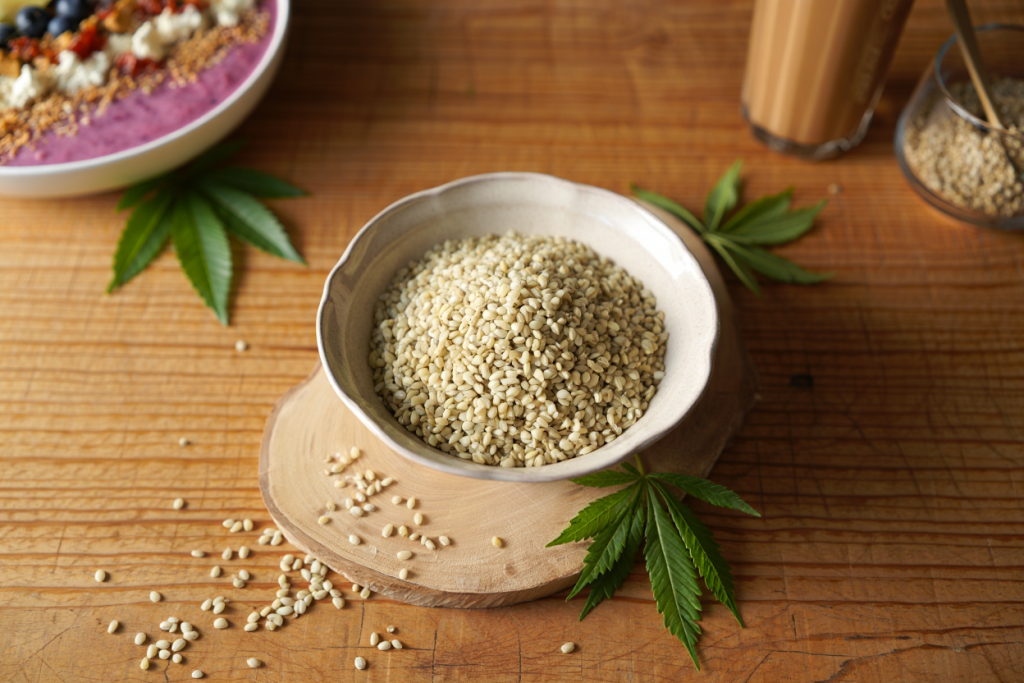
Hemp seeds are tiny edible seeds from the Cannabis sativa plant that pack a powerful nutritional punch. Often called a “superfood,” they deliver a complete plant-based protein (all nine essential amino acids) that can support muscle growth and strength. Unlike marijuana, hemp seeds contain virtually no psychoactive THC, so they won’t make you high. They have a mild, nutty flavor and can be eaten raw, roasted, or added to many dishes. This article explains why hemp seeds are so healthy, how to use them, and what to watch out for giving you everything needed to harness hemp seeds’ protein power for a strong body.
What Are Hemp Seeds?
Hemp seeds (also called “hemp hearts” when shelled) come from a non-drug variety of the cannabis plant. They look like small brown nuts or berries. Nutritionally, hemp seeds are exceptionally dense. They are not true tree nuts, so they’re generally safe even for people with nut allergies. Because they come from hemp (the same species as cannabis), some worry about THC or CBD content. In reality, industrial hemp varieties produce negligible THC (legally below 0.3%), and hemp seeds contain almost no CBD or THC. In short, hemp seeds are food, not drug – packed with nutrients, not a high.
Nutritional Profile of Hemp Seeds
Image: A metal tin filled with raw hemp seeds, illustrating a plant-based protein source. Hemp seeds are a nutrient-dense food. A typical 3-tablespoon (30 g) serving contains roughly:
- Calories: ~160–166 calories per 30g (mostly from protein and fat).
- Protein: ~9–10 g of complete protein. This is more protein per calorie than most other plant foods.
- Fat: ~14–15 g of total fat, mainly healthy polyunsaturated fats. This includes omega-3 (alpha-linolenic acid) and omega-6 fatty acids in a healthy ratio. Hemp seeds are low in saturated fat and contain no trans fat.
- Carbohydrates: ~2–3 g total, with about 1 g fiber. The fiber helps digestion and satiety.
- Micronutrients: Hemp seeds are rich in magnesium, vitamin E, potassium, phosphorus, iron, and zinc. They also provide small amounts of calcium and several B-vitamins (niacin, riboflavin, thiamine, B6, folate).
In short, hemp seeds are low in sugar and salt and contain no cholesterol, yet they provide a broad spectrum of nutrients. This makes them a balanced choice for nutrition – they fill you up with protein and healthy fats while adding fiber and key vitamins/minerals. For example, the USDA nutrient database lists ~9.47 g protein and 14.62 g fat in a 30g hemp seed serving, along with useful antioxidants like vitamin E.
Hemp Seeds and Protein
Hemp seeds are prized as a plant-based protein source. Each 30 g serving delivers about 9–10 g of protein, comparable to soybeans or an egg. Uniquely for a plant food, hemp protein is complete – it contains all nine essential amino acids. This means hemp seeds supply the building blocks for every protein your body needs, just like meat or dairy. Studies note that the quality of hemp protein rivals animal proteins (with lysine as the only moderately limiting amino acid).
Hemp protein comes in two main forms: edestin (around 65–70% of hemp seed protein) and albumin. Edestin is highly digestible, so you absorb these amino acids efficiently. In practical terms, adding hemp seeds to your meals can boost satiety and muscle repair. Protein helps build and repair tissues, which is why athletes and active people appreciate hemp seeds. A nutrition expert notes that protein “is important for building muscle,” making hemp seeds a great choice for a strong body.
For vegetarians and vegans, hemp seeds are especially valuable: most plant foods (beans, grains, nuts) lack one or more essential amino acids, but hemp does not. This is why dietitians call hemp seeds a top protein snack for those cutting animal products. In fact, 3 Tbsp of hemp seeds has nearly as much protein as an egg. Furthermore, hemp seeds are high in the amino acid arginine, which supports blood vessel health and heart function.
In summary: Hemp seeds deliver complete, high-quality protein in a plant form. They can help curb hunger, build muscle, and support recovery after exercise. Adding just a few tablespoons to a meal can significantly boost protein intake for a vegetarian or omnivorous diet alike.
Health Benefits of Hemp Seeds
Beyond protein, hemp seeds offer many health benefits thanks to their nutrient profile. Research and nutrition experts highlight several advantages:
- Heart health: Hemp seeds contain a balanced ratio of omega-6 to omega-3 fatty acids (typically about 3:1), which is ideal for cardiovascular health. These fats help lower blood pressure and may reduce cholesterol. For example, alpha-linolenic acid in hemp seeds has been linked to lower LDL (“bad”) cholesterol and a healthier lipid profile. Hemp seeds are also rich in L-arginine, an amino acid that the body converts to nitric oxide; nitric oxide relaxes blood vessels, improving circulation and reducing strain on the heart. In one review, specialists note that hemp’s unsaturated fats and fiber make it helpful for heart disease prevention.
- Fiber and digestion: Much of hemp seed fiber is in the hull. When eaten whole (with shells), hemp can provide a gram or two of fiber per serving. This fiber acts like a natural broom for your gut: it feeds beneficial bacteria, supports regular bowel movements, and slows nutrient absorption to keep blood sugar stable. By adding bulk, hemp fiber also promotes a feeling of fullness, which can aid weight management. Dietitians point out that seeds like hemp help “reduce the appetite” and can assist with weight control. If you’re eating hemp for fiber, note that shelled hemp hearts have less fiber than whole seeds, but you can get additional fiber by using the whole hulled seeds.
- Skin health: The same fatty acids that help the heart can improve your skin. Hemp seeds are rich in omega-3 and omega-6 fats that nourish skin cell membranes, locking in moisture. One study found that hempseed oil relieved itchiness in eczema (atopic dermatitis) patients. The omega-3s also help regulate inflammation that can contribute to acne. Additionally, hemp seeds contain vitamin E and other antioxidants that protect skin cells from free radical damage. Regular consumption can result in healthier, more elastic skin. Many people also apply hemp seed oil topically for its emollient effects. In summary, adding hemp seeds to your diet may help soothe dry skin, reduce redness, and maintain skin hydration.
- Hair and scalp: Thanks to omega fatty acids and nutrients, hemp seeds can strengthen hair from the root. The omega-3s and protein in hemp feed hair follicles, supporting growth and shine. Vitamin A and E in hemp oil nourish the scalp; for example, industry sources note that hemp oil “nourishes hair follicles… Vitamin A in hemp oil also helps prevent hair loss”. Cleveland Clinic also mentions hemp’s oils may help thicken hair and slow hair loss. In practice, people report shinier, less brittle hair when regularly using hemp products or eating hemp seeds.
- Inflammation reduction: Hemp seeds contain gamma-linolenic acid (GLA), an anti-inflammatory omega-6 fat. GLA is unusual in foods and has been studied for reducing inflammation. Some research suggests GLA in hemp may help conditions like PMS and arthritis, though human results vary. However, the overall omega-3 content and antioxidants in hemp still confer anti-inflammatory benefits. By eating hemp seeds, you increase intake of anti-inflammatory nutrients that may help protect against joint pain, heart disease, and metabolic disorders.
- Other benefits: Hemp seeds are a good source of magnesium and potassium, which help regulate blood pressure and nerve function. They also contain zinc, which is important for immune health and healing. Preliminary studies even suggest compounds in hemp (like trace CBD and terpenes) could have neuroprotective effects. While more research is needed, the rich nutrition of hemp seeds supports overall health – they deliver antioxidants that protect cells and a wide array of vitamins and minerals.
In summary, hemp seeds benefit nearly every part of the body. Their protein fuels muscles; their fats and fiber support the heart and digestion; and their nutrients protect skin, hair, and joints. Nutritionists conclude that hemp seeds’ mix of antioxidants, healthy fats, and protein can help improve heart health, reduce inflammation, and boost skin and brain function.
Hemp Seeds for Skin and Hair
Hemp seeds’ fatty-acid profile makes them especially beneficial for skin and hair health. The high omega-3 and omega-6 oils help maintain cell membrane structure, keeping skin hydrated and elastic. In practice, people find hemp seeds help soothe eczema and dry skin. They can also protect against skin aging by supplying antioxidants like vitamin E. For hair, the nutrients in hemp seeds nourish follicles. They improve scalp circulation and provide essential proteins and vitamins (such as biotin, vitamin E, and B vitamins) that lead to thicker, stronger hair. Some evidence even links the gamma-linolenic acid and other oils in hemp to reduced dandruff and improved scalp health. Overall, incorporating hemp seeds into your diet or using hemp seed oil can lead to glowing skin and shinier, more resilient hair.
Hemp Seeds vs Chia Seeds and Flax Seeds
How do hemp seeds compare with other popular health seeds?
- Hemp vs. Chia: Both hemp and chia seeds are highly nutritious with healthy fats, protein, and fiber. A key difference is protein content: hemp seeds provide significantly more protein and healthy fats, while chia seeds offer more fiber. One comparison found that 1 ounce (28 g) of hemp seeds has over 10 g of protein, whereas chia has about 4–5 g. Hemp seeds also contain minerals like magnesium, manganese, and phosphorus in higher amounts. Chia seeds, on the other hand, can absorb water to form a gel; they’re great for thickening drinks and adding soluble fiber. Both are rich in omega-3 fatty acids, but chia typically has a bit more ALA. In short, choose hemp for protein and fat, and chia for fiber. They can complement each other in a diet: for example, add chia to overnight oats and sprinkle hemp on top of yogurt for the best of both.
- Hemp vs. Flax: Flaxseeds are one of the richest plant sources of omega-3 (ALA). About 50–60% of flax oil is ALA. Hemp seeds contain around 15–26% ALA. So for pure omega-3 boost (and fiber – flax has ~2 g fiber per Tbsp vs ~0.5g in hemp), flax is best. However, hemp seeds win on protein. For example, 1 tablespoon of hemp seeds provides ~3 g protein, while the same of flax has ~1 g. Hemp seeds also offer all essential amino acids, whereas flax does not. Flax contains beneficial lignans (phytoestrogens) which hemp has less of. In practice, both seeds are excellent: use flaxseeds in smoothies or baking for omega-3s, and use hemp seeds to boost protein and add crunch. Compared to flax, hemp seeds add more vitamins (E, D, and some B) and minerals (magnesium, iron, zinc) to your diet.
Overall, hemp seeds are the protein champions among seeds. Chia and flax each have their own strengths (fiber, omega-3s), so the healthiest approach is to include all three for a variety of nutrients. If you had to pick one: hemp seeds are a great choice for adding plant protein to meals.
Hemp Seeds Recipes and Uses
Hemp seeds are incredibly versatile and easy to include in recipes. Use them in both sweet and savory dishes:
- Sprinkle on foods: Hemp seeds make a nutritious topping. Sprinkle a tablespoon or two on oatmeal, yogurt, cereal, smoothie bowls, or salads. Their nutty taste and crunchy texture add a protein boost and extra flavor.
- Blend into smoothies: Toss a couple of tablespoons of hemp seeds or hemp protein powder into your smoothies or shakes. They blend in almost invisibly while adding about 5–10 g of protein, plus healthy fats. For example, a green protein smoothie with hemp seeds, spinach, banana, and almond milk becomes much more filling and nutritious.
- Baking and cooking: You can bake with hemp seeds similar to other nuts. Add them to pancake, muffin, or bread batter. For a healthier cookie or energy ball recipe, mix hemp seeds in for extra protein and omega-3s. They can even be ground into flour. Use crushed hemp seeds instead of breadcrumbs to coat chicken or fish for a crunchy, gluten-free crust.
- Plant milks and butters: Blend hemp seeds with water (and a bit of sweetener) to make homemade hemp milk – a creamy dairy-free milk. You can also make hemp seed butter by grinding hemp seeds in a food processor until smooth, just like making peanut butter.
- Sauces and dressings: Because of their emulsifying properties, hemp seeds (or hemp oil) can be used in dressings and sauces. Try adding hemp seeds to pesto instead of pine nuts, or whisk them into salad dressings for added nutrition.
- High-protein snacks: Mix hemp seeds into homemade granola or energy bars, or sprinkle them on popcorn for a protein-rich snack. Some brands even sell roasted hemp seed snacks you can munch on directly.
Image: A yogurt and fruit parfait topped with a sprinkle of hemp seeds – a nutritious, protein-rich breakfast.
Experiment with hemp seeds in any recipe: their mild flavor pairs well with fruits, vegetables, grains and proteins. For example, a hemp seed pesto (made by blending basil, garlic, hemp seeds, olive oil and lemon) is a protein-rich twist on traditional pesto. Or try hemp seed yogurt bowl: layer Greek yogurt or dairy-free yogurt with fruit and granola, then sprinkle hemp seeds on top. The seeds will add a boost of nutrients without altering the taste. The recipes are endless – from smoothies and salads to baked goods.
Hemp Seeds Side Effects and Precautions
Hemp seeds are safe for most people, but keep a few precautions in mind:
- Digestive upset: Because hemp seeds contain fiber and fat, eating a large amount suddenly can cause stomach cramps, bloating, or diarrhea. This is more common if you eat the whole hulled seeds (with shells). To avoid this, start with a small portion (1–2 tablespoons) and drink plenty of water. Your body will adjust as your digestive system gets used to the fiber.
- Allergies: Although hemp seeds are not a common allergen, any seed can potentially cause reactions. If you have food allergies, introduce hemp seeds slowly. Generally, hemp is often tolerated even by those allergic to nuts. Cleveland Clinic notes that despite the name, hemp seeds are actually nuts and “not tree nuts,” so they usually don’t trigger peanut/tree-nut allergies. However, individuals with severe seed or nut allergies should exercise caution.
- Medication interactions: Hemp seeds can affect blood pressure and blood clotting to some extent. If you are on blood thinners, heart medications, or blood pressure meds, talk to your doctor before adding large amounts of hemp seeds or hemp oil to your diet. The healthy fats could potentially enhance the effect of blood thinners. It’s always wise to check with a healthcare provider if you take medications.
- THC and drug testing: Although high-quality hemp seeds contain virtually no THC, trace amounts up to the legal limit (0.3%) can occur. For most people, this is not enough to produce any effect. However, if you are subject to drug testing (for work or sports), use tested THC-free hemp products or be aware of the source. In rare cases, eating hemp products from poorly regulated sources has led to failed drug tests. Buying from reputable brands and sticking to recommended servings generally avoids any issues.
By keeping portions reasonable (around 1–3 tablespoons daily) and choosing quality hemp seeds, most people can safely enjoy the benefits. There are no well-known severe side effects – most reported issues are mild and related to overeating or impurities. If you experience any persistent problems, stop using hemp seeds and consult a health professional.
Frequently Asked Questions
Q: Are hemp seeds a complete protein?
A: Yes. Hemp seeds contain all nine essential amino acids, making them a complete protein source. This means they provide every amino acid your body cannot make on its own. Eating hemp seeds (about 3 tablespoons) gives you roughly 9–10 g of protein, similar to an egg. Because of this, hemp seed protein is comparable in quality to animal proteins, which is rare among plant foods.
Q: How many hemp seeds should I eat per day?
A: A common recommendation is about 3 tablespoons (30 grams) of hulled hemp seeds per day. This portion provides a good amount of protein and nutrients without too many calories. However, you can adjust the amount to fit your energy needs. Beginners should start with 1 tablespoon and gradually increase to avoid digestive upset. There’s no strict limit – many people sprinkle hemp seeds on foods daily. Just account for the extra calories and fiber.
Q: How many calories are in hemp seeds?
A: Hemp seeds are relatively calorie-dense due to their protein and fat. A 3-tablespoon (30 g) serving contains about 160–166 calories. These calories are largely nutritious (good fats and protein). For perspective, that’s roughly 10% of a 2,000-calorie diet. Because hemp seeds also contain fiber and protein, they can be quite satisfying for a moderate number of calories.
Q: Do hemp seeds benefit skin and hair?
A: Yes. The omega-3 and omega-6 fatty acids in hemp seeds help keep your skin and scalp hydrated and calm inflammation. This can improve conditions like eczema or dry skin. Hemp seed oil also contains vitamin E and other antioxidants that protect skin cells. For hair, hemp seed oil has been shown to nourish hair follicles and support growth. Many users report stronger, shinier hair when regularly consuming hemp oil or seeds. In summary, adding hemp seeds to your diet can contribute to a clearer complexion and healthier hair over time.
Q: How do hemp seeds compare to chia seeds?
A: Both are nutritious, but they have different strengths. Hemp seeds have more protein and fat, whereas chia seeds have more fiber. Per serving, hemp provides roughly double the protein of chia. Chia can absorb 10–15 times its weight in water (good for hydration and thickness in recipes), but hemp remains crunchy. Both contain healthy omega-3 fats; chia has slightly more of the liquid-swelling variety. A review notes that hemp can help boost calorie and protein intake, while chia is better for extra fiber. In short, if you want protein and omega-rich fats, choose hemp. If you want fiber and gel-forming properties, chia is the winner. Many health experts recommend using both for variety.
Q: How do hemp seeds compare to flax seeds?
A: Flaxseeds shine in omega-3 content: about 50–60% of flax’s fats are alpha-linolenic acid (ALA), one of the highest in any plant. Hemp seeds have around 15–26% ALA. So, for pure omega-3 intake, flax is better. However, hemp seeds have much more protein. For example, 1 tablespoon of hemp seeds offers ~3g protein versus ~1g in flax. Hemp’s protein is also complete, unlike flax. Flax does provide more soluble fiber and beneficial lignans (antioxidants), while hemp offers more vitamins (E, D, A) and minerals (magnesium, zinc, iron). Dietitians often suggest rotating seeds: flax for smoothies and baking (for omega-3 and fiber) and hemp for protein-rich meals and toppings.
Q: What side effects do hemp seeds have?
A: Side effects are rare and usually minor. Because hemp seeds contain fiber and healthy fat, eating too many at once can cause gas, bloating or diarrhea. This is more likely if you suddenly add several tablespoons to your diet. To avoid issues, start with a small amount (e.g. 1 tablespoon) and increase gradually. In terms of allergies or medications, hemp seeds are generally safe. However, if you take blood thinners or heart medications, consult your doctor – the fats in hemp could theoretically enhance medication effects. Finally, while high-quality hemp seed products have virtually no THC, any trace amounts should be considered if you are subject to drug testing. Overall, stick to recommended serving sizes and buy from reputable sources to enjoy hemp seeds safely.
To get the most from hemp seeds, use them as part of a balanced diet. Their nutty flavor and crunchy texture make them easy to add to meals. Try stirring a spoonful into your yogurt or smoothie, mixing them into salad dressings, or blending into energy balls. Because they’re so nutrient-dense, even small amounts go a long way.
Ready to try hemp seeds? Join thousands who have discovered their benefits. Add hemp seeds to your favorite recipes and see how they boost your nutrition. If you found this guide helpful, share it on social media so others can learn about the power of hemp seeds. And if you have a tasty hemp seed recipe or a personal tip, drop a comment below – we love hearing how readers use these versatile seeds to strengthen their bodies!