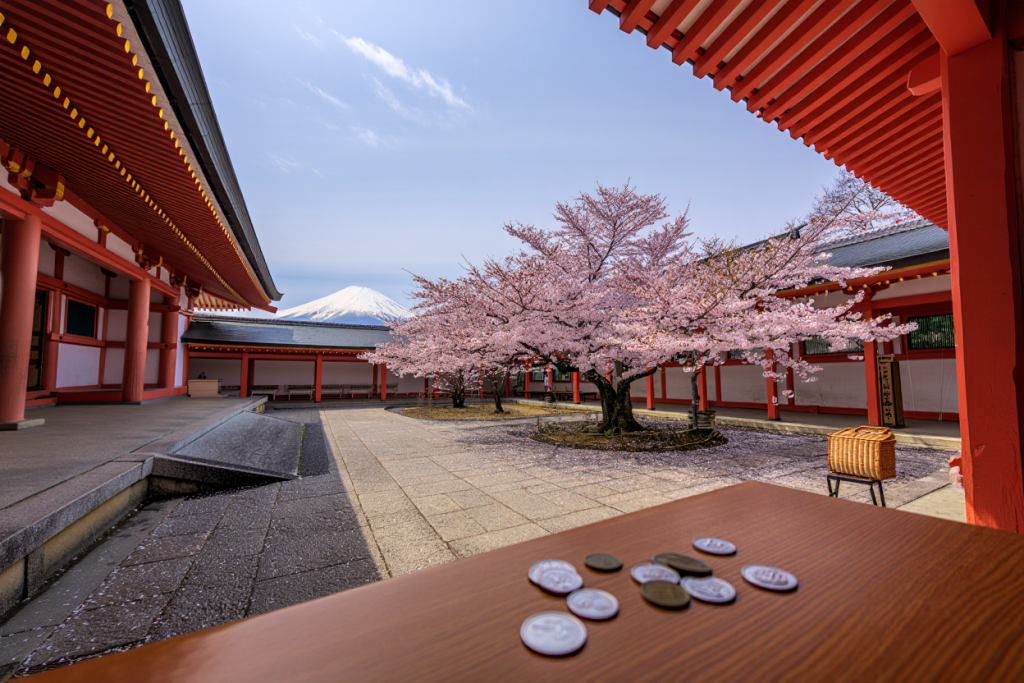
Traveling to Japan is a dream for many, but the costs of flights, hotels, and activities can quickly add up. In a typical budget, a one-week trip (flights, lodging, transit, food) may run around $1,000–$1,500, so timing is crucial. Fortunately, exchange rates are also in travelers’ favor: as of 2024, the yen is weak (around ¥150/USD), meaning your dollar or euro buys more in Japan. However, if you know the cheapest time to travel to Japan, you can significantly reduce your expenses without sacrificing experience. Peak seasons like cherry blossom (spring) or autumn foliage draw crowds and inflate prices, whereas off-peak periods often bring discounts and quieter attractions. By timing your trip to avoid Japan’s busiest holidays (like Golden Week or New Year’s), you can save hundreds of dollars on airfare and lodging. Whether you’re a first-timer or seasoned traveler, knowing the cheapest time to travel to Japan allows you to plan for maximum savings on your trip.
Why Timing Matters for a Budget Trip?
Japan welcomed a record ~37 million international visitors in 2024. This high demand causes airfare and hotel prices to surge during popular seasons, making timing crucial for affordability. Key factors influencing travel costs include:
- Seasonal Demand: Spring cherry blossoms (late March–April) and autumn foliage (mid-November) attract visitors nationwide, leading to high prices.
- National Holidays: Golden Week (late April–early May) and the New Year holidays see Japanese and tourists traveling en masse. Trains, hotels, and flights become crowded and costly during these periods.
- Weather & Climate: Japan’s climate affects tourism. The rainy season (June–mid-July) and cold winter months see fewer visitors, which can translate to cheaper travel costs.
- Location & Events: Major events (like festivals or expos) draw crowds in specific cities. Tokyo and Kyoto are top destinations, so they tend to remain pricey year-round. Visiting less touristy cities can mean significantly lower accommodation rates.
By understanding these patterns, you can pinpoint when the cheapest time to travel to Japan is most likely. Generally, winter (January–February) and the shoulder seasons (September–October) are known for lower prices. Let’s examine each season in detail.
Seasonal Guide: Best and Cheapest Times to Visit:
Winter (Dec–Feb): Off-Peak and Affordable
Snowy winter landscape in Nara Prefecture, Japan. Japan’s winter months (January and February) are widely cited as one of the cheapest times to travel to Japan. After the New Year rush subsides, tourism levels drop, and airlines and hotels often cut prices to fill seats and rooms. For instance, Tokyo–LA flights can be dozens of dollars cheaper in January than in spring. Winter in Japan also brings unique attractions: see plum (ume) blossoms in mid-late February, or catch a glimpse of wild snow monkeys soaking in hot springs. Festivals like Nara’s Wakakusa Yamayaki (an annual hillside fire in late January) or Osaka’s Toka Ebisu (January festival) add cultural interest. Popular cities are calmer: you may even snag deep discounts on Kyoto’s top ryokan as early booking deals. With fewer crowds, winter travelers can enjoy iconic sights (snow-dusted temples, illuminated gardens) at their own pace while saving money. Keep in mind that temperatures are chilly (often 40–50°F/5–10°C in cities like Tokyo), so pack warm layers.
Quick Tip: If you’re flexible, book January–February flights and hotels 2–3 months in advance to lock in deals. Traveling on weekdays can also cut costs, as many hotels offer lower rates outside weekends.
Spring (Mar–May): Cherry Blossoms & Shoulder Season
Spring offers both the peak cherry blossom season and budget-friendly windows. The cherry blossom period (late March–April) and Golden Week (late April–early May) are extremely busy, driving prices up. The cheapest time to travel to Japan in spring is typically outside of these peak weeks. Two good options are early March and late May:
- Early March: Many parts of Japan (especially in the north or mountains) have not yet hit full bloom. Flights in early March can be significantly cheaper than during sakura season. For example, cross-Pacific fares in March may dip to the mid-$700s from major U.S. cities. With fewer tourists, you’ll find more accommodation choices and lower rates in Tokyo, Kyoto, and other cities.
- Late May: After Golden Week ends, tourism subsides. Late May brings warm weather and greenery without the holiday rush. At this time, many hotels cut back to lower pricing and airfare tends to be modest.
- Okinawa in Spring: On the southern islands (Okinawa, Ishigaki), spring feels like early summer. The weather is perfect for beaches and snorkeling, yet the crowds have not arrived. Visiting Okinawa in March–April offers a tropical escape at off-peak prices.
Overall, avoid late March, April, and early May if you’re on a tight budget. Instead, target early-March or mid-May dates to capitalize on shoulder-season deals. In fact, late May and mid-October are considered ideal shoulder-season windows with good weather and lower prices.
Summer (June–Aug): Rainy Season and Late Summer Deals
Summer in Japan can be hit-or-miss for budgets. The rainy season (June–mid-July) sees fewer international tourists, so June is often a cheap month to visit. Expect frequent showers and high humidity, but also big discounts on lodging and flights. Many outdoor sites will be less crowded, and you’ll see lush green landscapes and vibrant hydrangea blooms.
In mid-summer (July–mid-August), domestic travel peaks with school holidays. Festivals like Gion Matsuri (Kyoto in July) and large fireworks events draw crowds and raise prices. If you must visit then, book well in advance. Otherwise, try late summer:
- Late August – Early September: After the Obon holidays (mid-August), tourist numbers quickly fall. As families return home, airfare and hotel prices drop. Late August still offers warm weather (Okinawa’s beaches are still inviting) and manageable crowds.
- Hokkaido in Summer: If heat is a concern, consider Hokkaido. By July/August, Hokkaido has cool weather and beautiful flower fields (like Furano’s lavender). It’s less crowded than Honshu cities and often a budget-friendly alternative if you plan ahead.
Note: While late summer has some deals, it also has busy periods. Avoid late July if possible. Always compare flight deals: for instance, flights to Tokyo from LAX can be as low as $542 in March (as noted earlier), but summer airfares can spike. If you do travel in August, mid-week flights are key, and consider flying into a smaller airport (like Osaka or Fukuoka) if it’s cheaper.
Summer Tip: Look for summer festival packages in June or September – these can combine cultural events with off-peak rates. Also, some budget carriers and airlines run summer sales in June–July (watch for flash deals).
Autumn (Sep–Nov): Shoulder Season Bargains
Autumn in Japan offers beautiful weather and scenic views, but late fall (mid-November) is very busy. To save money, aim for early autumn. September through early October is generally much quieter. The climate is mild, and you’ll catch some early autumn foliage without peak-season crowds. Flight data shows that September often has significantly lower fares than November.
In late October to mid-November, tourism surges for autumn leaves. Kyoto’s hillsides and Nikko’s parks get crowded. Hotel and tour prices rise accordingly. Avoid this peak period if budget is a priority. Instead, consider:
- September–Early October: Enjoy warm beach weather on Okinawa and the onset of autumn color at higher elevations. Hotels in Tokyo and Kyoto drop to shoulder-season rates.
- Mid-November to Early December: After mid-November, crowds thin before the holiday season. You may find lower rates in late November (before Thanksgiving-week travel). Early December is notably affordable, with winter illuminations starting as most tourists have left.
Avoid: Japan’s occasional Silver Week (fall holidays in September) and, of course, Golden Week; these holidays spike travel costs.
Autumn Tip: Consider bundling tickets or using regional passes. For example, the JR Tokyo Wide Pass or Kansai Thru Pass can save on transit if you plan multiple day trips. Also, airlines sometimes offer fall sale packages (flight + hotel). Remember: aim for shoulder months (Sept, early Oct) to enjoy autumn scenery at a lower price.
According to travel experts, the 4 cheapest months to visit Japan are February, June, early December, and September. Each offers a unique experience:
- February (Winter Calm): Lower prices on flights and hotels, snow festivals, plum blossoms.
- June (Rainy Season): Lush green landscapes, hydrangea blooms, and excellent hotel deals.
- Early December (Festive Off-Peak): Holiday lights and Christmas markets in Tokyo, Osaka, and Kyoto, with crisp weather but fewer crowds.
- September: Warm beaches (Okinawa is ideal), manageable late-summer weather, and cheaper flights from many international gateways.
For perspective, a travel resource even charts what each month offers: for example, early December brings “mild weather + lower prices,” June has “green scenery + fewer tourists,” September has “beaches + festivals,” and February sees “zero crowds”. These align closely with the cheapest months identified above.
Finding Deals on Flights and Hotels:
Securing low travel costs requires strategy. Experts note that the cheapest time to travel to Japan often coincides with booking flights in off-peak months. Here are top tips:
- Book in Advance: Airfare varies widely. For example, flights from the U.S. to Tokyo are often cheapest in March and fall. Routes from the West Coast (e.g., Los Angeles to Tokyo) can see fares as low as $542 in March, whereas East Coast departures start around $784. Set up price alerts and be ready to purchase when fares dip, ideally 2–4 months before travel.
- Alternate Airports: Flying into a secondary airport can save money. For instance, Kansai (Osaka) or Fukuoka often have lower fares than Tokyo (Narita/Haneda). You can then take a domestic flight or bullet train to your final destination. (Be aware that open-jaw tickets or multi-city flights can also find good deals.)
- Flexible Dates: Use flexible-date search tools. Adjusting your trip by a week or even a few days can slash costs. One study suggests flying the “opposite way of the crowd” – for example, depart on a weekday or at unpopular hours.
- Hotel Deals: Hotels and hostels raise prices during peak seasons. Look for cheapest accommodation times in winter or shoulder seasons. Weekday stays often cost less. Business hotels (e.g., Toyoko Inn, Super Hotel) and capsule hostels have low base rates year-round. Also consider vacation rentals or guesthouses in rural areas, which may offer steep discounts in winter.
- Packages & Passes: Sometimes booking flight + hotel together (e.g., on a travel site) can be cheaper than separate. Look into package deals during off-peak periods. For train travel, a Japan Rail Pass can cut transportation costs if you plan to move around.
With these tactics, it’s easier to score budget flights and lodging. Combining off-season timing with flexible plans lets you fly for less and stay for less.
Budget Travel Tips and Extras:
Beyond timing, these tips help stretch your travel budget in Japan:
- Off-Peak Lodging: Many ryokan and hotels (even in Kyoto) offer steep discounts in winter. Business hotels and hostels provide clean, affordable stays in city centers. Booking a room Monday–Thursday instead of weekend can cut rates by 10–30%.
- Local Transit Cards: Buy a prepaid IC card (Suica/Pasmo) to save on ticket fees. If visiting multiple cities, a Japan Rail Pass or regional rail pass can cut transport costs, especially off-peak when trains are emptier.
- Value Meals: Convenience stores (konbini) and casual eateries offer meals for ~$5–10. Look for lunch specials (bento boxes, ramen sets). These keep food costs low, leaving more room for attractions. Also, supermarkets often sell perfectly good sushi and bento at discounts in the evening.
- Free and Cheap Attractions: Many shrines, parks, and festivals are free or have nominal fees. Visiting off-peak, you can enjoy these with fewer people. For example, Tokyo’s major parks (Ueno, Yoyogi) and Osaka’s Shrines have no entry fee. Check local tourism boards for discount city passes (often more useful in peak season, but still worth a look).
- Offbeat Destinations: Exploring cities beyond Tokyo/Kyoto can be both fascinating and economical. Second-tier cities like Kanazawa, Fukuoka, or Nagoya offer ample attractions but lower lodging costs. Even staying on the outskirts of a big city (using train commutes) can save money.
- Currency & Cards: Japan is largely cash-based. Use credit cards with no foreign transaction fee, and withdraw yen from ATMs (post offices or 7-Eleven) to avoid high exchange fees. Keep an eye on the yen’s value – a weaker yen means you’re effectively on sale when traveling off-season in Japan!
Additional Advice: Sign up for airline and hotel newsletters to catch flash sales (often announced 1–3 months in advance). Follow travel blogs and deal sites for Japan-specific discounts. Lastly, pack appropriately: bringing a reusable water bottle and snacks can cut small daily expenses.
FAQs: Planning Your Affordable Japan Trip
Q: When is the absolute cheapest month to travel to Japan?
A: Generally, January and February are the cheapest months to visit Japan. This period (excluding the New Year holiday) sees low demand, so flights and hotels are heavily discounted. Another great window is September and early October when the weather is good and prices are lower than in spring or late fall.
Q: Is winter cheaper than summer to travel in Japan?
A: Yes. Winter (Jan–Feb) is typically cheaper than summer for travel in Japan. Aside from the holiday spike, you’ll find fewer tourists and more deals in winter. Summer (especially August) can be more expensive due to domestic vacations and festivals. Note that June (rainy season) can be similarly low-cost, but with wetter weather.
Q: How do I find the cheapest flights to Japan?
A: Use flight search engines with price alerts and be flexible on dates. Avoid major Japanese holidays and U.S. school breaks. According to data, flights in March, September, and October tend to be the cheapest. Also compare nearby airports (e.g., flying into Osaka instead of Tokyo) and mid-week departures to save.
Q: What about the cheapest time for accommodations in Tokyo or Kyoto?
A: Both Tokyo and Kyoto are top destinations, but their rates drop in off-season. The cheapest time to travel to Japan accommodation-wise in these cities is during winter (Jan–Feb) or rainy season (June). Even upscale Kyoto hotels offer deep discounts in winter. You can also look at less-touristed neighborhoods or business hotels for lower prices.
Q: Should I avoid Golden Week or other holidays?
A: Definitely. Golden Week (late April–early May) brings exceptionally high prices and fully booked hotels. The cheapest time to travel to Japan avoiding Golden Week is before late April or after early May. Similarly, avoid late December–early January (New Year) for the best deals.
Q: How far in advance should I book for the cheaper months?
A: In general, flights should be booked about 2–4 months ahead for off-peak seasons. Hotels and other bookings have more flexibility in low season, but if there’s a specific ryokan or tour you want, reserve early as weekends can fill up even in winter.
These FAQs should help you pinpoint the best deals. Remember, the keyword to budget travel in Japan is flexibility. Keep an eye on deals, be prepared to book when prices drop, and consider off-peak dates first.
Conclusion: Save Smart, Travel Far
Timing is key when planning a budget-friendly Japan trip. By choosing the cheapest time to travel to Japan – typically mid-winter (Jan–Feb) or shoulder seasons (Sept–Oct) – you can secure great deals on flights and hotels. For example, travelers often report up to a 30–50% savings on airfare and lodging by avoiding spring and fall peak periods. Even Tokyo and Kyoto become far more affordable in off-peak months.
Remember to set flight price alerts, consider alternate airports, and book mid-week stays. Explore local budget tips like riding regional trains or eating at convenience stores. Japan offers tremendous experiences year-round; planning your visit during the off-peak season means getting more of Japan for less.
Have tips or stories about traveling to Japan on a budget? Share them below! If you found this guide helpful, share it with fellow travelers looking for the most affordable time to travel to Japan. Happy travels!