Mexico City enjoys a mild, spring-like climate year-round. At about 7,350 feet elevation, it stays warm during the day and cool at night. However, timing your visit can maximize sunshine, festivals, or savings. In this guide we break down each season’s weather and tips so you know the best time to travel to Mexico City for your priorities. Expect details on temperatures, rainfall (the rainy season runs roughly mid-May through October), major events like Día de los Muertos and spring festivals, plus budget advice and travel tips.
Mexico City Climate Overview:
- Elevation & Climate: Mexico City sits at ~7,350 ft (2,240 m), giving it many sunny days and cool nights. Even in winter (Dec–Feb), temperatures rarely fall below the low 40s°F (around 5–8°C). In summer, highs peak around 77–80°F (25–27°C).
- Rainy vs. Dry Season: The wet season lasts about April 13–Nov 12. Mexico City’s rainiest months are June–September (July averages ~4.9 inches), with many afternoon thunderstorms. The dry season (late Nov–mid-Apr) has very little rain (December gets only ~0.1–0.3 inches).
- Annual Weather: Thanks to its elevation and geography, Mexico City is often called a “city of eternal spring.” Average yearly temps range roughly 44°F–80°F (7–27°C). The sun is strong at altitude, but humidity is lower than in coastal areas.
These patterns mean most travelers find good weather in spring and autumn, while summer’s rains bring deals. In the next sections we’ll look at each season and explain why – for example – March–May is generally excellent for dry, mild weather, whereas late fall is best for cultural events.
Spring (March–May): Warm, Dry & Blossoms
Spring is often cited as the best time to travel to Mexico City for ideal weather. Daytime highs climb into the mid-60s–70s°F (18–23°C) with low humidity, and night lows only dip into the 50s°F (10–15°C). Rain is rare this time of year. In late March, the city’s famous purple jacaranda trees burst into bloom, creating a colorful backdrop for sightseeing. Blue skies and mild temperatures make walking the historic center, hiking Chapultepec Hill, or touring open-air markets especially pleasant.
- Vive Latino (March): Spring also brings big events. Mexico City’s signature music festival, Vive Latino, is held in March, attracting international artists and crowds. Arts fans will enjoy spring gallery openings and the general festive vibe.
- Travel Tips: Early spring (March) is quieter than later spring, so you may get better hotel rates. By April–May tourist numbers pick up (and prices can rise), but it’s still possible to find deals if you book early.
Overall, spring weather is sunny and temperate, making it a popular choice. (Travel+Leisure recommends March–May for “best weather”, with average temps in the mid-60s°F and cool evenings.) It’s no wonder many guides call this the best time to visit Mexico City for outdoor activities.
Summer (June–August): Hot, Humid & Rainy
Summer is Mexico City’s rainy season. Warm, humid afternoons often end in short downpours. In fact, July averages rainfall on about 23–24 days of the month, making it the wettest month. Daytime temperatures remain warm (typically 75–80°F / 24–27°C), but humidity can make it feel warmer. After morning sunshine, skies usually cloud up by late afternoon. Evenings clear again for comfortable nights.
- Benefits: Paradoxically, summer’s wet weather can be ideal for budget travelers. With crowds thinner, hotels and airlines offer deals. JetsetterAlerts notes that “shoulder season” months like May–early June and late October are most budget-friendly. In practice, many find June–September to have the lowest prices, despite the rain. If you’re on a tight budget, this can be the best time to travel to Mexico City.
- Rainy-Day Activities: Rainstorms usually pass quickly, so plan outdoor excursions for mornings or first half of the day. Use afternoons to visit indoor attractions. Mexico City’s world-class museums – such as the National Museum of Anthropology and Museo Frida Kahlo – are perfect rainy-day escapes (indeed, there are “tons of interesting attractions and museums”). Many art galleries, markets and covered arcades are also enjoyable without worrying about the rain.
- Caution: Pack an umbrella or lightweight rain jacket, and wear quick-dry clothes. While heavy rains freshen the air (pollution levels often drop), traffic can slow during downpours.
In summary, summer is humid and wet, but if you don’t mind the showers it can save you money. Many locals leave the city for cooler hill resorts, so dining and transportation may be easier to book than in spring.
Autumn (September–November): Dry Skies & Festivals
Autumn brings a welcome reprieve. After the summer rains end, Mexico City enters its dry season again. By October, the weather is often mild and pleasant. Daytime highs average around 75°F (24°C) with clear skies; nights become noticeably cooler. Even September’s heavy showers taper off. In fact, one travel guide notes that after September’s storms, “we always feel a bit relieved to come out of the rainy season” as October arrives. This transition is why October is a “contender for the best time to visit Mexico City”: the city is green from the summer rains, but the weather is turning dryer and cooler.
- Budget Note: September still ranks as the cheapest month to travel (many hotels slash rates), since it’s wettest. If you’re a bargain hunter, you might even call rainy September the best time to travel to Mexico City on a budget. By October and November prices rise again as visitors flock back.
- Key Festivals: The most famous reason to come in autumn is Día de los Muertos (Day of the Dead). Celebrations start Oct. 31 and peak Nov. 1–2; the city fills with parades, ofrendas (altars) and street parties. It’s a spectacular cultural experience – possibly the highlight of Mexico City’s event calendar. Immediately after, in mid-November, the massive Corona Capital music festival brings rock and pop fans from around the world. (See image below for a glimpse of the Día de Muertos spirit.)
Day of the Dead (Día de Muertos) celebrations in Mexico City (late October), featuring skull-painted revelers and marigolds.
Autumn’s two big events – Dia de los Muertos and Corona – give it a unique energy. However, they also make late October/November one of the busiest (and most expensive) times to visit. Book months in advance if you plan to go then. If crowds aren’t your thing, early fall (September–early October) still offers pleasant weather with fewer tourists.
Winter (December–February): Cool Nights & Festive Cheer
Winter in Mexico City is generally cool, dry and sunny. Daytime highs usually hover in the low 70s°F (around 21–23°C), while nights can get chilly (around 41–50°F, or 5–10°C). This is the true dry season: December and January often see virtually no rain, and humidity is at its lowest. It’s a great time for sightseeing without worrying about rain.
- Festive Season: December brings Christmas markets, lights and fiestas in neighborhoods like Centro and Polanco. The Catholic holiday of Nuestra Señora de Guadalupe (Dec. 12) is widely celebrated with pilgrimages. Streets and plazas are beautifully decorated. By late December, prices climb (holiday demand), but January–February generally calm down – hotels offer deals and the city feels quiet.
- Packing Tip: You’ll need a jacket or sweater for mornings/evenings, especially in Jan/Feb. Even if days are warm, weatherspark notes that winter lows can hit the 40s°F, so layer up. Sunscreen and a light scarf are also smart, as sun is still strong.
- Travelers’ Choice: Despite the chill, many travelers find winter a great time. One Mexico City guide even calls January/February the best time to visit for perfect sightseeing conditions. Clear skies and fewer crowds (except around New Year’s) make it a comfortable season. Just remember that Dec–Jan hotel rates can be higher during the holidays.
Culture, Museums & Nightlife (Year-Round):
No matter the season, Mexico City boasts world-class culture and attractions. Indoor activities especially shine in bad weather or hot afternoons, but there’s something for everyone:
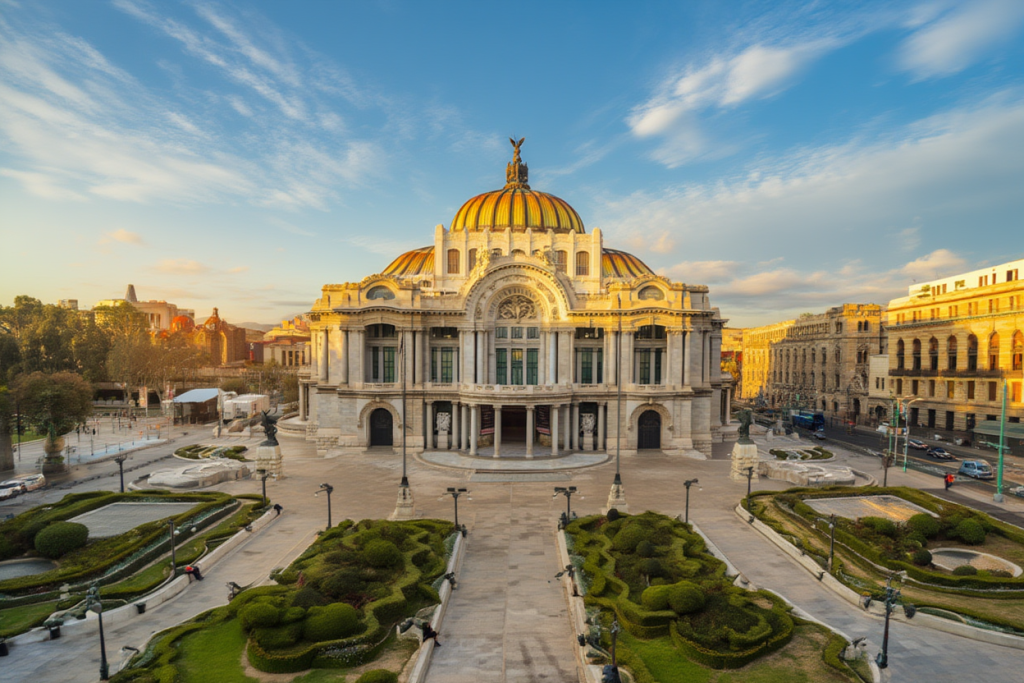
- Historic Sites: Explore the UNESCO-listed Zócalo plaza and surrounding historic center. Visit the ancient Aztec ruins of Templo Mayor, the grand Palacio de Bellas Artes, and Chapultepec Castle with panoramic city views. These sites are open year-round; fall and winter (dry seasons) are ideal for strolling the cobbled streets, while summer mornings allow viewing before it gets too hot or rainy.
- Museums & Art: The city has over 150 museums (National Anthropology, Museo Frida Kahlo, modern art galleries, etc.), many in beautiful historic buildings. On rainy days or summer afternoons, head indoors. (As one travel blog notes, there are “tons of interesting attractions and museums in Mexico City”.) Art lovers shouldn’t miss the murals at the National Palace or the Museo Mural Diego Rivera, all year round.
- Cultural Neighborhoods: Wander bohemian Coyoacán or colorful Xochimilco any season; try local markets (Mercado de la Merced) and street food stalls. Spring bloom or fall foliage (in parks) add charm, but the neighborhoods are lively always.
- Nightlife: Mexico City’s nightlife is legendary. Districts like Condesa, Roma, Polanco and Zona Rosa offer world-class dining, bars and clubs. Warm spring/summer evenings are perfect for rooftop drinks; winter nights are cozier but lively too. Plaza Garibaldi is famous for mariachi bands, and many bars run special events around holidays.
Whether you’re visiting for history or party life, there’s no bad time to enjoy Mexico City’s culture and nightlife – just dress for the weather. Museums and historic tours run continuously, while festivals (see above) spike cultural events at certain times.
Practical Travel & Budget Tips:
- Stay Hydrated & Acclimate: At 7,350 ft, the air is thinner. When you arrive, take it easy the first day and drink plenty of water. Some visitors experience mild altitude sickness (headaches, fatigue). Avoid overexertion; give yourself a buffer for any uphill climbing (like the pyramids at Teotihuacan).
- Pack Layers: Temperatures can swing. Even in summer you’ll want a light sweater or jacket for cool mornings/evenings. In winter or spring, nights can be chilly despite sunny days. An umbrella or raincoat is a must in May–October (expect afternoon showers). Always carry sunscreen and sunglasses, as UV is strong at altitude.
- Accommodation & Travel: Book hotels well in advance for peak seasons (late Oct–Nov for festivals, and December holidays). For cheaper rates, consider September, June or January. The city’s metro and buses are extensive and safe; cabs and rideshares are affordable too. Stay in centrally-located neighborhoods (Centro, Roma, Condesa) to maximize sightseeing.
- Money & Safety: Mexico City pesos (MXN) are needed for markets and taxis. ATMs are widely available in safe areas. Crime is low in tourist zones, but always keep belongings secure and avoid flashing valuables. Drinking water is not potable – stick to bottled or filtered water.
- Health & Misc: Mexico’s hospitals are high-quality; travel insurance is recommended (especially if climbing volcanic peaks nearby). Carry any prescription meds, and be cautious with street food if you have a sensitive stomach (though most visitors eat freely and love the cuisine).
Quick Facts & Scannable Tips:
- Elevation: ~7,350 ft (2,240 m) – expect intense sun and cooler nights.
- Weather: Year-round temperatures 44–80°F (7–27°C). Dry season Nov–Apr, rainy season May–Oct.
- Best Weather: March–May (warm days, low rain). October (post-rain) is also very pleasant.
- Festivals: Día de los Muertos (late Oct–Nov), Corona Capital (Nov), Independence Day (Sept 15–16), Christmas/Candlemas in winter.
- Budget Travel: June and September are cheapest (wet season). Shoulder seasons (May–early June, late Oct) give good weather without peak prices.
FAQ: Common Questions
Q: What is the best time to travel to Mexico City? Mexico City is pleasant almost year-round, but for ideal weather most experts recommend spring (March–May). Days are warm and dry, and flowers and festivals abound. Autumn (October–November) is also popular for the crisp climate and major events like Día de los Muertos. Budget travelers often choose the rainy shoulder months (June or September) when prices are lowest. Ultimately, the best time to travel to Mexico City depends on whether you prioritize sunshine, festivities or cost.
Q: When is the rainy season in Mexico City? The rainy season runs roughly from mid-May through October. Afternoon thunderstorms are common, peaking in July (about 23 of the days wet). By November the rains stop, and the dry season (Nov–Apr) has very little precipitation. Note that Mexico City never gets hurricanes (it’s well inland); so rain means just showers, not tropical storms.
Q: Does Mexico City get cold at night? Yes, especially in winter. Nights can drop into the 40s°F (around 5–8°C) from November through February. Even in spring and fall, temperatures fall sharply after sundown. Weatherspark reports average January lows around 44°F. Always bring a jacket or sweater for night-time! Daytime, however, remains pleasantly mild (usually 70–80°F).
Q: What’s the cheapest time to visit Mexico City? Due to low tourist demand, September and June are the cheapest months to fly and stay. These months coincide with rainy weather, so prices drop. (January–February are also relatively affordable, as post-holiday demand lags.) By contrast, December holidays and spring break (Mar–Apr) see high prices. For a good balance of price and weather, try late October–early November or late May–June.
Q: How hot does Mexico City get? The hottest months are April and May, when highs can reach the upper 80s°F (30–32°C). However, April–May are still drier than summer, so heat is usually tolerable (air conditioning is common in hotels). Summer afternoons (June–Aug) are warm but feel muggy due to humidity. Even at summer’s peak, temperatures rarely exceed 90°F.
Q: What if it rains? What can I do indoors? Mexico City’s wealth of museums and cultural sites shines on rainy days. You could spend days inside the National Anthropology Museum, the Museo Soumaya, Palacio de Bellas Artes, the trendy art galleries in Roma/Condesa, or the Frida Kahlo Museum. Cuisines are world-renowned; take a cooking class or eat at top restaurants. The guidebook “Get Lost in Mexico City” even notes that the city has “tons of interesting attractions and museums” no matter the weather.
Q: Are there any special climate considerations? Because of the altitude, sunburn and dehydration are risks even if it’s not hot. Wear sunscreen, a hat and drink lots of water (especially when climbing up to Teotihuacan or volcano peaks). Air quality can worsen during the dry season (Dec–Apr), so people with respiratory issues may notice smog in the afternoons – plan outdoor activities for the morning.
Conclusion:
Mexico City’s “year-round spring” climate means there’s really no bad time to visit. Each season has its perks: spring (Mar–May) delivers the most sunshine and blooming jacarandas, summer (Jun–Aug) offers deals and lively indoor culture during rains, autumn (Sep–Nov) brings dramatic festivities (Día de Muertos, Corona Capital), and winter (Dec–Feb) has crisp, clear days and holiday cheer. By matching your trip to these patterns – and by packing layers, staying hydrated at high altitude, and booking ahead for festival periods – you can make the most of the best time to travel to Mexico City for your needs. Wherever you go in the calendar, the Mexican capital’s rich culture, history and culinary scene ensure an unforgettable visit.