Italy is one of the world’s most popular travel destinations, attracting a record number of tourists in recent years. With iconic sights like Rome’s Colosseum, Tuscany’s rolling vineyards, and the canals of Venice, it’s no wonder people flock to Italy year-round. The best time to travel to Italy depends on your priorities — whether you want warm beach weather, vibrant festivals, or quieter city streets. Peak season (roughly May through early September) delivers sunny Mediterranean weather but also high prices and heavy crowds. In contrast, shoulder seasons in spring and fall often provide the best balance of good weather and fewer tourists. This comprehensive guide will break down Italy’s seasons, highlight the ideal months for top regions (like Rome, Venice, Tuscany, the Amalfi Coast, and Sicily), and offer tips on avoiding crowds and saving money. Read on to discover how to plan your Italian adventure for maximum enjoyment and value.
Italy’s Colosseum in Rome. In the off-season (shown above), this ancient amphitheater sees far fewer visitors, making winter or shoulder-season trips especially appealing. Many experts note that winter is the best time to avoid crowds in Italy: popular cities like Rome and Florence have uncrowded museums and piazzas from December through February. Meanwhile, spring and fall (March–May and September–October) offer mild, sunny weather with significantly lighter foot traffic than summer. For a “best of both worlds” experience – good weather, lower prices, and short lines at attractions – try mid-April through May or late September through October.
- High Season (May–September): Warm-to-hot weather and full tourist services (open restaurants, etc.), but it is peak tourism. Popular attractions are crowded and costs for flights and hotels are highest.
- Shoulder Seasons (March–April, October–November): Many consider these the sweet spot – weather is mild, crowds are thinner, and you can often find better deals on accommodations.
- Low Season (December–February): Chilly weather (rain/snow in the north) and some closures (e.g. shops, ferries), but airports and hotels are quiet and prices drop significantly.
Seasonal Travel: Spring, Summer, Fall, Winter
Spring (March–May)
Spring in Italy brings mild, pleasant weather and blooming landscapes. Mid-to-late April and May are often ideal travel months, with daytime highs in the 60s–70s °F (15–25 °C) and far fewer tourists than in summer. Many towns hold local festivals of seasonal foods and flowers – for example, Tuscany has spring fairs like the Artichoke Festival in Chiusure or strawberry festivals in Terricciola. (Be aware that the week before Easter can attract local crowds and higher prices due to religious processions.) Overall, spring offers warm days for sightseeing and outdoor dining with shorter lines at major attractions.
Summer (June–August)
Summer in Italy is hot and busy. Daytime temperatures commonly reach 30 °C+ (mid-80s to 90s °F) in many parts of Italy. Beach resorts along the Amalfi Coast, Cinque Terre, and Sardinia bustle with visitors, and cities like Rome or Florence fill with tourists enduring the heat. Mid-July through August are peak travel months – note that August 15 (Ferragosto) is a national holiday when Italians flock to the coast and many businesses close for vacation. Summer travel requires booking accommodations well in advance and budgeting for higher prices; it’s wise to plan outdoor activities for morning or evening when temperatures are lower.
Fall (September–November)
Fall (especially September and early October) is another ideal travel season in Italy. Summer heat and crowds thin out, but the weather often remains warm and sunny. For example, September still sees beach-friendly conditions around the Amalfi Coast and comfortable 15–25 °C (60–75 °F) in central Italy. Autumn is also harvest time: vineyards and olive groves are busy, and local wine or truffle festivals pop up in Tuscany, Piedmont, and elsewhere. Late September to October is especially rewarding for wine lovers (the Chianti wine harvest festivals occur then). With fewer tourists after Labor Day, you can enjoy attractions with shorter lines and often better hotel rates. Even October is popular, but cooler November (before Christmas) sees relatively low tourism.
Winter (December–February)
Winter in Italy (outside of the ski resorts) is coldest in December–February, but it’s the quietest and most budget-friendly time to visit. Daytime highs average only the 5–15 °C (40–60 °F) range even in Rome or Naples, and snowfall is common in the Alps and northern cities. Major cities like Rome, Florence, and Venice have far fewer tourists; many museums and attractions stay open but may have reduced hours. Flights and hotel rates drop significantly, as noted by travel experts. If you don’t mind bundling up, winter travel means enjoying Italy’s cultural sites with minimal lines. (One caveat: some restaurants, ferries, or hotels outside cities close in mid-winter.) Overall, winter is the best time to avoid crowds and can be magical with holiday decorations in December.
Best Time to Travel to Italy by Region
Rome
Rome attracts tourists year-round, but best travel months for the capital are April–June and September–early November. These months combine warm (but not scorching) weather with moderate crowds. According to travel experts, the busiest (and hottest) months in Rome are July and August, when temperatures can soar into the high 90s °F. Winters in Rome are cool but manageable (highs in the 40s–50s °F) and far less crowded. If you visit Rome in winter, remember that some sightseeing hours may be shorter or have midday breaks, but you’ll avoid lines at the Colosseum and Vatican.
Venice
Venice is especially popular for its waterways and Carnival. The official Venice Carnival (usually in February or early March) is world-famous for elaborate masks, but it also draws crowds and higher prices. For pleasant weather and fewer tourists, many guides recommend visiting Venice in late spring (May) or early fall (September–October). In fact, one source notes that “May is one of the best times to visit … Venice” before the peak season begins. Summer (June–August) brings very high crowds and occasional flooding (acqua alta), while winter (November–January) is the quietest time (albeit foggy and cool). If your schedule is flexible, aim for May–June or September; you’ll avoid the busiest tourist traffic while enjoying most outdoor sights.
Tuscany (Florence, Siena, Chianti)
Tuscany (including Florence, Siena and the Chianti hills) has similar rhythms: April–June and September–October are often called the best months to visit Tuscany. These months have warm (20s °C/70s °F) weather with many outdoor festivals. In late June, local celebrations like Florence’s feast of St. John (June 24) and Pisa’s St. Ranieri festival light up the region. July–August bring high heat (often 85–95 °F); note that mid-August (Ferragosto) is actually a local low season in towns (many businesses close as Italians vacation). If you love wine, September is harvest time with grape festivals, especially Chianti Classico in early October. Winters in Tuscany are cool (highs in the 40s °F) and quiet – ideal if you want low prices and no crowds, albeit with a chill.
Amalfi Coast (Positano, Amalfi, Capri)
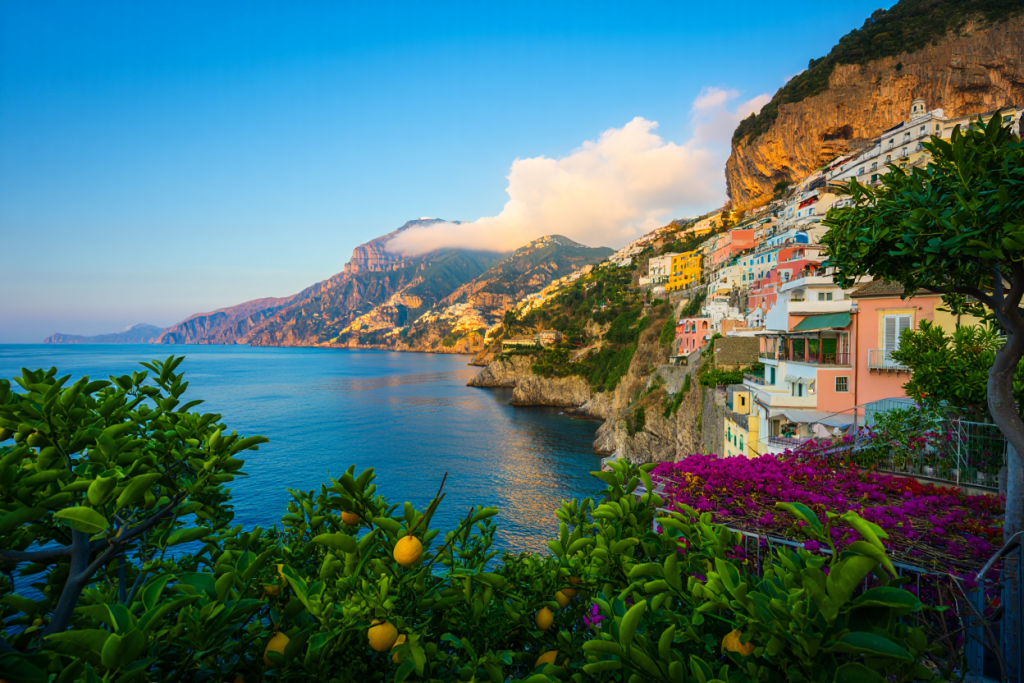
Italy’s southern coast shines in late spring and early fall. Experts agree that April through June is the absolute best time to visit the Amalfi Coast: the weather is warm enough for the beach, spring flowers are in bloom, and the first dips in the sea are comfortable. In particular, May is “by far the best month to visit the Amalfi Coast” with perfect temperatures and very few tourists. During July–August, the coastline is packed (both with international vacationers and Italians), and hotels charge peak rates. September can still be very pleasant – beaches and restaurants are open but many day-trippers are gone. Winter (November–February) is mostly off-season: some hotels and ferries close, but you’ll find empty beaches and quiet towns if you don’t mind cooler weather.
Sicily
Italy’s largest island has its own climate. Spring (April–June) and early fall (September–October) are often ideal for Sicily. Rick Steves notes that these months “have mild weather, blooming countryside, and lots of festivals” on Sicily. July and August become extremely hot (often above 90 °F) and crowded, with many Europeans vacationing there, so if possible avoid the height of summer. September is especially busy and expensive in Sicily, though it still tends to be less crowded than mainland hot spots. In winter (Nov–Mar), southern Sicily stays relatively mild, but many attractions outside Palermo and Catania close or reduce hours. Still, winter can be peaceful and is great for enjoying Sicilian cuisine without the crowds.
Festivals and Events
Some travelers plan trips around Italy’s famous festivals. Here are a few highlights by season:
- Venice Carnival (Feb) – Italy’s grandest masquerade festival. Elaborate parades and balls fill Venice before Lent. (Crowds swell, and prices rise, so book early.)
- Easter & Holy Week (Mar/Apr) – Religious processions take place nationwide, especially in Rome and Sicily. Italy’s Holy Week (Pasqua) draws many pilgrims – note that prices and crowds are higher around Easter.
- Palio di Siena (July 2 & Aug 16) – Fiercely competitive bareback horse races in Siena’s Piazza del Campo. These medieval pageants pack the square with spectators.
- Summer Festivals (June–Aug) – Italy’s high season for festivals: enjoy Verona’s outdoor opera season, jazz festivals in Umbria (Perugia), and beach clubs along the coast. Venice’s Festa del Redentore (July) features fireworks over the lagoon.
- Harvest & Food Festivals (Sept–Oct) – Grape and olive harvest celebrations bloom in wine regions. Tuscany hosts the Chianti Classico Expo (early Oct). Piedmont’s Alba Truffle Fair (Oct/Nov) and Parma’s food fairs are major draws for gourmets.
- Christmas Markets (Dec) – Cities like Rome, Florence and Milan light up with holiday markets and decor. (Some shops and attractions close Dec 25–26, but the festive atmosphere and nativity scenes in churches are a treat.)
Budget Travel: Saving Money
If cost is a priority, aim for Italy’s off-peak travel seasons. Airlines and hotels tend to cut prices from late fall through early spring. For example, accommodation in Rome or Florence can be substantially cheaper in winter. Spring (April–May) and fall (September–October) also offer better deals than summer while still providing decent weather. Consider staying in smaller towns or agriturismo (farmhouse) accommodations outside major cities; these are often far cheaper at any time of year. Watch for flight sales in January and February (when airlines drop off holiday fares) and compare train versus air travel for bargains within Italy.
Avoiding Crowds and Tips
To dodge crowds, travel in Italy’s winter or shoulder seasons. As noted, winter (Dec–Feb) sees far fewer international tourists. In spring and fall, arriving early at attractions can also help – for example, visit the Vatican or Colosseum first thing in the morning to beat the lines. During peak summer, consider less-visited destinations to escape mass tourism: even in summer, travel guides suggest exploring lesser-known coastal towns (like the island of Elba or villages in Puglia) for quieter beaches. Be aware of Italian holidays: mid-August (Ferragosto) and Easter are extremely busy domestically. For instance, Venice now charges an entry fee during its busiest times to discourage overtourism. Overall, small timing changes (like going a week earlier in May or a week later in September) can make a big difference in experience and cost.
Planning Tips: Book early if traveling in June–August or during major events, as flights and lodging fill up. Check calendars for Italian holidays (Ferragosto on Aug 15, Easter, Christmas) to avoid surprise closures. Pack layers – even summer nights in the north can be cool, and off-season days can be unseasonably warm in the south. Finally, embrace Italy’s slower pace: take leisurely meals, walk through local markets, and enjoy that Italy can be delightful any time of year.
FAQs
Q: What is the best time to travel to Italy to avoid crowds?
A: To dodge the biggest crowds, travel in Italy’s shoulder or low seasons. Specifically, January–March and late October–December see far fewer international tourists. Spring (April–May) and fall (September–October) are also good bets: you’ll find shorter lines at museums and lighter traffic on the highways compared to summer.
Q: When is the best time to travel to Italy on a budget?
A: Budget travelers should aim for off-peak months. Flights and hotels are typically cheapest from November through March. Consider January or February (after the holidays) for the lowest prices, though be prepared for cold weather and some seasonal closures. Shoulder seasons (April–May, October) offer a balance of decent weather and good deals.
Q: What is the best time to travel to Italy for festivals?
A: It depends on which events interest you. Venice’s Carnival is in Feb–Mar, Siena’s Palio races are July 2 and Aug 16, and wine-harvest festivals peak in September–October. If you want to enjoy these festivals without sweltering heat or extreme crowds, consider visiting in late winter for Carnival (with a warm coat!) or early fall for the harvest events.
Q: What is the best time to travel to Italy in spring?
A: Spring (March–May) is generally an excellent time to visit most of Italy. The landscape is in bloom, the weather is comfortably warm (especially by late April), and crowds are moderate. Just note that Easter week can be busy, so traveling just before or after Holy Week is wise.
Q: What is the best time to travel to Italy in summer?
A: Summer (June–August) brings reliably hot weather and lively festivals but also the largest crowds and highest prices. If you must go in summer, consider June or early September rather than July–August. And remember Ferragosto (Aug 15) – many Italians take vacation then, so city centers may empty out (but beaches will fill up).
Conclusion
In summary, there isn’t a one-size-fits-all best time to travel to Italy – it depends on your weather preference, budget, and crowd tolerance. For most travelers, the shoulder seasons of spring and fall hit the sweet spot: mild, sunny weather and far fewer crowds than peak summer. If you prefer warmth and beach days, early summer is ideal, but be prepared for tourists and higher costs. For the smallest crowds and lowest prices, winter offers peace and deals (just bring a warm coat!). Whenever you decide to go, Italy will reward you with stunning art, food, and history. We hope this guide helps you choose the best time to travel to Italy for your dream vacation – and don’t forget to share your experiences or questions in the comments below!