Planning an Iceland trip hinges on timing. The best time to travel to Iceland truly depends on what you want to experience. Travelers seeking the midnight sun, hiking and festivals should consider summer (June–August), while those chasing the aurora borealis often pick winter (November–March). In Iceland, seasons bring dramatic changes – almost 24 hours of daylight in summer versus only a few hours in the depths of winter. This guide breaks down Iceland’s seasons and activities so you can pick the ideal travel window for your interests.
- Summer (June–August): Midnight sun, hiking, road trips, festivals. Full access to Highlands (F-roads).
- Winter (November–March): Long nights for Northern Lights and ice adventures. Snowy landscapes, ice caves.
- Spring (April–May): Fewer crowds, blooming nature, waterfalls at peak flow. Budget-friendly shoulder season.
- Autumn (September–October): Fall colors, returning auroras from late Sept, low tourist numbers.
Each season in Iceland offers unique highlights. Read on for detailed advice by month and interest.
Winter in Iceland (November–March):
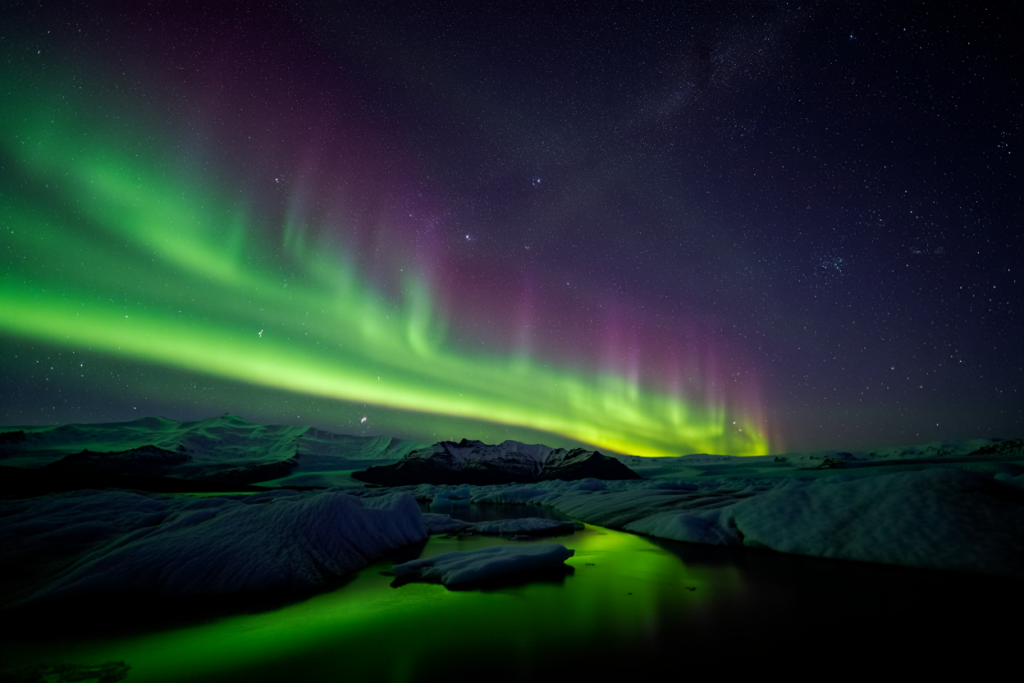
Iceland’s winter is Northern Lights season. From late September through March, dark skies frequently light up with auroras. For example, Iceland’s Perlan museum notes the “best time to see the northern lights is from mid-August to late April”. In practice, the heart of winter (December–February) has the longest nights and clearest skies. January nights are especially dark – many say it’s “the best time to visit Iceland in winter” because frozen waterfalls, snowfields, and frequent auroras turn the landscape into a “winter wonderland”.
![Northern Lights in Iceland]
Winter nights in Iceland are ideal for Aurora Borealis viewing.
However, winter travel means very short daylight (only 5–7 hours) and cold, windy weather. For example, average winter temps hover around 0°C (32°F) and strong winds and snowstorms are common. This can lead to road closures; indeed, many highland F-roads are closed in winter. On the upside, the snow-blanketed scenery and ice caves of Vatnajökull and Langjökull are stunning. Reykjavík and other towns celebrate the season: from Reykjavik’s Christmas lights and Yule traditions in December to the unique Þorrablót cultural festival in February (featuring traditional food).
Tips for winter travel: Book accommodations early (holiday and New Year’s months fill up). Rent a 4×4 vehicle with snow tires and always check road.is for conditions. Even in winter, the Ring Road (Route 1) encircling the island remains open except in extreme storms. Dressing in layers and planning indoor activities (museums, geothermal pools) for the short days will keep you comfortable.
Spring and Autumn (Shoulder Seasons):
Spring (April–May) and autumn (September–October) are often underrated gems. These shoulder seasons combine moderate weather with fewer crowds and better prices. Spring brings longer days (up to ~16 hours by May) and blooming landscapes. Melting snow feeds rivers and “mighty waterfalls roar” at peak flow. Many ice caves remain open early spring, and wildlife (like migratory birds and puffins) returns. Autumn has crisp days and golden foliage, and from late September the Northern Lights return.
Aside from the scenery, spring and fall offer budget savings. Iceland’s off-peak fares and accommodation rates drop dramatically: Guide to Iceland advises visitors to “avoid summer for cheaper prices”, and Arctic Adventures notes flights, car rentals, and hotels are “much cheaper” in spring/fall. Roads (including the Ring Road) are generally open, and popular spots like the Golden Circle are less crowded. One trade-off is unpredictable weather; be prepared for sun, rain or even early snow on the same day. Overall, the shoulder seasons are often the best time to travel to Iceland on a budget or to enjoy quiet landscapes.
Summer in Iceland (June–August):
Summer is peak season in Iceland – and for good reasons. The midnight sun bathes the country in nearly 24-hour daylight (especially around the June solstice). This means “endless opportunities for exploration”: you can hike, sightsee or drive at any hour. Average temperatures climb into the 10–15°C range (50–59°F), with sunny days and minimal snow. July is the warmest month (up to ~20°C), ideal for camping and multi-day treks like the famed Laugavegur and Fimmvörðuháls trails.
Summer also unlocks Iceland’s highland interior. Remote volcanic regions such as Landmannalaugar and the Askja caldera are reachable because “F-Roads are only open during the summer months, usually from June to September”. For example, the Guide to Iceland notes that roads into the Highlands (like Askja’s F88) “are typically open only in summer”. If your trip involves glacier hikes or highland drives, summer is the clear choice.
![Dettifoss Waterfall in Iceland]
Summer’s long daylight means famous waterfalls (like Dettifoss above) are in full flow.
Summer events are plentiful. June’s midnight-sun festivals (such as Secret Solstice) and the July 17th Independence Day celebrations create a party atmosphere. Whale watching and birding (puffins) are at their peak on the coasts. By August, many festivals culminate: Reykjavik Pride and Þjóðhátíð (Westman Islands music festival) draw crowds.
On the flip side, summer’s popularity means higher prices and big crowds. Tour operators warn that “prices are high and attractions are often crowded” in July and August. We recommend booking car rentals and hotels well in advance. To enjoy summer’s benefits with slightly fewer people, consider June or early August over the height of July.
Key Interests and Attractions:
Northern Lights (Aurora Borealis)
The aurora borealis is Iceland’s marquee winter attraction. As noted, the best time to travel to Iceland for Northern Lights is roughly mid-August through April. Practically speaking, aim for nights around October–March. Clear, cold nights in inland or northern areas (away from city lights) maximize visibility. Some of the brightest displays occur near the spring and fall equinoxes (around March and September). Always check an aurora forecast (e.g. the Icelandic Met Office) before heading out.
Tip: If Northern Lights are your priority, include flexibility in your schedule (e.g. multiple nights in a row) to increase your chances. Join a guided Aurora tour if you want a local expert’s help.
Hiking and Road Trips
Summer is undoubtedly the best time to hike in Iceland. With F-roads open (June–Sept), you can access highland trails like Laugavegur, Landmannalaugar, Kerlingarfjöll and more. Coastal hikes (e.g. around Skógafoss or in Snæfellsnes) are excellent in summer weather. Guide to Iceland confirms, “July is the warmest month… prime time for hiking, camping, and exploring”.
Road trips follow the same logic. The 1,332 km Ring Road (Route 1) encircles Iceland, and can technically be driven year-round (with care). However, interior routes and mountain roads require summer. As the F-road guide says, “F-roads are only open during the summer months”. In winter you’ll be limited to paved roads. Summertime also brings fine weather for the famous Golden Circle, Westfjords, and East Fjords drives. Just remember to leave extra time – summer in Iceland tempts you to stop and photograph every 10 km!
For example, consider that the Ring Road connects Reykjavík to Akureyri via 1,332 km of diverse landscapes. In summer you can leisurely circle the country. In winter, many guided ring-road tours shrink the itinerary to the south coast or Reykjavik area only.
Travel tip: Use a GPS app or map with up-to-date info; always check road.is before heading out. In summer, camping is popular, but many roads (especially gravel turns) still require a 4×4.
Glaciers and Volcanoes
Iceland is studded with ice caps and volcanoes. Luckily, glacier tours run year-round (though each season offers different experiences). In winter, you can explore ice caves under the Vatnajökull or Langjökull ice caps, whereas summer allows glacier hiking on more stable surfaces. Volcano sites (like Eyjafjallajökull, Hekla, or Askja) are also accessible any time, but note: remote volcanic craters like Askja’s caldera require summer road access.
Insider tip: If you’re keen on volcanoes, research guided tours – e.g. visiting the lava fields of Þingvellir or hiking Eyjafjallajökull. Ask locals or tour providers for current conditions, as some rugged volcano terrains may be snowy in winter.
Waterfalls
Iceland’s waterfalls are spectacular year-round, but the character changes with the season. During spring and early summer (May–June), melting snow dramatically increases flow – “mighty waterfalls roar”. Embark on trails around Seljalandsfoss, Skógafoss or Gullfoss then. In winter, many waterfalls freeze partly, creating stunning ice formations. For instance, Dettifoss (seen above in summer) becomes a frozen throne in winter.
Thus, “the best time to travel to Iceland waterfalls” depends on your goal: visit spring for maximum flow and lush surroundings, or winter for a serene, icy spectacle. Either way, wear sturdy shoes – paths can be muddy in shoulder seasons and slippery in winter.
Festivals and Culture
Iceland’s cultural calendar is surprisingly full. Summer nights host music and arts festivals under the midnight sun. For example, the Secret Solstice festival (June) and Reykjavík Arts Festival attract crowds. July brings folk events like Landsmót (National Horse Show) and Fisherman’s Day. August has Reykjavik Pride and Þjóðhátíð (Isafjörður festival). Even winter has draws: the Iceland Airwaves music festival takes place in November, and locals celebrate unique traditions like Þorrablót in February.
Below are sample event highlights by season:
- June: Secret Solstice (music under midnight sun), Iceland’s Independence Day (July 17th).
- July: Landsmót Horse Show; Þjóðhátíð Westman Islands festival; Whale and bird watching peaks.
- August: Reykjavik Pride, Viðburðir (various outdoor concerts).
- November: Iceland Airwaves music festival.
- February: Þorrablót traditional feast.
Knowing about these events can help time your visit, but for many travelers, the natural sights (lights, geology, landscapes) are the main focus. Still, even small towns often have summer festivals or winter lights displays that make a trip more fun.
Budget-Friendly Travel
If saving money is a priority, skip high season. As Guide to Iceland notes, the “cheapest time to visit: Avoid the summer for cheaper prices”. Spring (April-May) and autumn (Sept-Oct) see lower demand, so hotels and tours can cost far less. Winter (especially Nov–Jan) is also economical, though travel costs can vary during Christmas and New Year.
Flying in from early March or late October, for example, often nets cheaper airfare. In these shoulder months, you’ll still see much of the country (and possibly catch the northern lights in fall) without crowds. Winter car rentals and lodging are cheapest outside the holiday weeks. Remember: budget travel often means accepting some cold weather; bundle up and plan some indoor activities (museums, thermal pools) as part of your itinerary.
Conclusion:
The best time to travel to Iceland truly depends on what you want. For endless daylight and outdoor adventures, summer (June–August) is unbeatable. If the Northern Lights or snowy landscapes appeal, aim for winter (November–March). Shoulder seasons (spring and fall) offer a middle ground: decent weather, beautiful scenery (flowering or foliage) and better prices.
In short, summer is best for hiking, road trips and festivals, while winter is best for aurora viewing and ice experiences. Discuss your priorities (and perhaps budget) to decide. Whichever season you choose, Iceland’s dramatic landscapes and friendly culture ensure an unforgettable trip. Enjoy planning, and don’t forget to pack layers for the ever-changeable Icelandic weather!
Have travel tips or questions? Share your thoughts in the comments below and feel free to share this guide with fellow adventurers!
Frequently Asked Questions:
Q: What is the best time to travel to Iceland for northern lights?
A: The best time is generally mid-August through April, when nights are long and dark. For peak aurora activity and clear skies, October–March are ideal. Just avoid the bright summer period (June–July), when the midnight sun makes it impossible to see the auroras.
Q: When is the best time to travel to Iceland in summer or winter?
A: Summer (June–August) is best for hiking, sightseeing and festivals – temperatures are mild and daylight lasts up to 21 hours. Winter (November–March) is best for snow activities and the Northern Lights. Choose summer for road trips and wildlife; choose winter for auroras and cozy indoor attractions.
Q: Is winter the best time to travel to Iceland on a budget?
A: Often, yes. Winter (especially November–January) and the shoulder seasons (spring/fall) see the lowest prices on flights and hotels. Just note that some tours and roads may be limited, so plan accordingly. Avoid late June–August if you want to save money.
Q: What is the best time to travel to Iceland for hiking and road trips?
A: Summer is best. By late June most hiking trails and mountain roads (F-roads) are open. Weather is mild (averaging 10–15°C in July) and daylight is nearly 24 hours, giving you maximum time for outdoor activities. Late spring and early autumn can work too, but always check road conditions.
Q: When is the best time to travel to Iceland for waterfalls and glaciers?
A: Visit in late spring/early summer for the fullest waterfalls – snowmelt makes them roar. Glacier tours run year-round, but summer snow is melting. In winter, frozen waterfalls create a magical ice landscape and you can do ice-caving tours under glaciers.