Planning a trip to Iceland? The best time to travel to Iceland depends on what you want to experience. Iceland is a year-round destination with unique highlights in every season. For example, September to March is best for seeing the Northern Lights, while June to August is ideal for summer activities. In this guide, we’ll explore each season and month, climate, and activities – from the midnight sun of summer to the snowy winter landscape – so you can pick the ideal months to visit Iceland.
Iceland’s weather can be unpredictable, so no matter when you go, pack wind- and waterproof layers. But rest assured, there is truly no bad time to visit – you’ll either enjoy endless daylight or enchanting darkness and other-worldly beauty. Read on to find out which months match your interests (auroras, festivals, photography, road trips, etc.) and to learn helpful tips for planning your Iceland adventure.
Iceland’s Climate and Seasons:
Because Iceland is just south of the Arctic Circle, it experiences dramatic shifts in daylight and weather throughout the year. The country enjoys a temperate climate year-round, despite its northern location. Spring (April–May) brings increasing daylight and blooming landscapes, summer (June–August) offers mild weather and almost 24 hours of daylight, autumn (September–October) turns the foliage gold and revives the Northern Lights, and winter (November–March) delivers snowy vistas and dark skies ideal for aurora-spotting.
- Spring (Apr–May): Daylight increases rapidly (up to ~18 hours by May) with mild weather. This is a shoulder season with fewer tourists and blooming nature. Puffins return to coastal cliffs, and migrating birds fill the skies.
- Summer (Jun–Aug): The warmest season (daily highs around 10–15°C) with the Midnight Sun – nearly 24 hours of daylight around June/July. All roads (including highlands) and attractions are open, making summer the peak season for visitors.
- Autumn (Sep–Oct): Temperatures cool (5–10°C), daylight falls to 8–13 hours, and the landscape turns vivid gold and red. Fall has fewer crowds than summer but still relatively good weather. It’s a perfect balance: you can hike and sightsee by day, and with earlier nights the Northern Lights often make an appearance.
- Winter (Nov–Mar): Cold and dark, with short daylight (as little as 4–5 hours in midwinter). Winter (especially Dec–Feb) is prime time for Northern Lights (aurora borealis) and ice caves. If you love snow sports or snowy vistas, this is when Iceland transforms into a true Arctic wonderland.
Each season has its trade-offs. For example, summer offers the most comfort for driving and hiking, but winter offers unique activities (ice caving, snowmobiling) and the aurora. The chart below summarizes Iceland’s seasons:
- Spring (Apr–May): Wildlife returns (puffins in May), long days (12–18h), and fewer tourists. Great for birdwatching and waterfalls – many first open as spring melt begins.
- Summer (Jun–Aug): Milder weather (10–15°C), nearly 24h daylight (midnight sun), festivals, and wide-open access. Perfect for Ring Road road trips and outdoor adventures.
- Autumn (Sep–Oct): Cooler (5–10°C) with stunning fall foliage and the return of dark skies (aurora begin). Less crowded and often cheaper flights/hotels.
- Winter (Nov–Mar): Cold (around 0°C) and dark (just a few hours daylight in deep winter). Prime for Northern Lights, hot springs, and winter sports. Be aware of snow/ice road conditions.
Overall, Iceland offers unique experiences in every season. Your personal interests (wildlife, festivals, aurora, photography, etc.) and tolerance for cold or crowds should guide the timing of your visit.
Summer (June–August): Endless Days and Festivals
Image: A scenic Icelandic road under the midnight sun. Summer (June–August) is a popular time for road trips and outdoor adventures.
Summer (June–August) is by far the most popular season to travel to Iceland. During these months the weather is mild (typically 10–15°C or 50–59°F), and daylight is virtually endless. Around the summer solstice in late June, Reykjavík sees nearly 24 hours of daylight, making “midnight sun” sightseeing possible at any hour. The long daylight greatly benefits photography, hiking, and driving: trails like the famous Laugavegur trek are open, and the interior highland roads (F-roads) are accessible.
The extended summer light also means golden and blue hours last for hours, which is a bonus for photographers. For example, NordicVisitor notes that in peak summer both golden and blue hour can last for hours, allowing stunning late-night shoots in the soft, colorful light.
Summer also brings a burst of cultural events and wildlife: festivals abound (see below), and nature comes alive. Bird cliffs are full of nesting puffins, which can be seen from May through August. Whale-watching tours are in full swing from April through September, with the best chances to see humpback and minke whales during June–August.
However, summer is peak tourist season, so expect larger crowds and higher prices. Popular attractions like the Golden Circle and Black Sand Beach are busiest at this time. If you prefer fewer people, consider the shoulder season (late May or September) instead – you still get good weather but smaller crowds.
Key Summer Highlights:
- Midnight Sun: Nearly 24h daylight in June–July, enabling extended sightseeing (e.g. late-night waterfall visits under golden light).
- Outdoor Activities: Warmest temperatures for hiking, camping, glacier tours, and highland treks. All tourist sites and highland roads are open.
- Festivals & Culture: Summer is festival season. June features the Secret Solstice Music Festival under the midnight sun, and Iceland’s National Day (June 17) with parades and concerts. July brings the Landsmót horse show and Fishermen’s Day (Sjómannadagurinn), celebrating Iceland’s equestrian and maritime traditions. August hosts Reykjavik Pride and Þjóðhátíð (National Festival) in the Westman Islands.
- Wildlife Viewing: Puffins nest on cliffs (best May–July), and whales forage in rich summer seas. The highlands teem with lupins and wildflowers.
In summary, if you ask “when is the best time to travel to Iceland in summer”, the answer is June through August. All activities are available, and even road trips around the Ring Road are easiest thanks to long daylight and open roads. Just remember to book accommodations well in advance and be prepared for crowds at hotspots.
Autumn (September–October): Fall Colors and Auroras
Autumn (September–October) is a beautiful shoulder season that offers a bit of everything. Early fall still has relatively mild weather (around 5–10°C) and the tail end of the midnight sun’s memory, but nightfall comes earlier. This is when Iceland’s landscapes burst into fall colors – vivid golds, oranges, and reds blanket the hills and valleys.
This foliage, combined with cooling temperatures, makes September particularly photogenic. GuideToIceland praises September as “a favorite for photographers and nature lovers” because of this color change, plus the bonus that crowds thin out. Indeed, NordicVisitor also notes that September offers “the most beautiful colors in nature” with a quieter tourism season.
Longer nights mean the Northern Lights return in late September. The first aurora displays usually appear in September as darkness resumes. It’s still warm enough by day for hiking and sightseeing, but early enough for aurora tours at night. October is a true transition: days are shorter, but the weather remains fairly mild and stable. You may enjoy a mix of summer and winter activities – for example, one can still hike, take whale-watching tours, and also catch early Northern Lights.
Key Autumn Highlights:
- Fall Foliage: September and early October paint the countryside in golden tones. Scenic drives on routes like the Ring Road become even more spectacular against a backdrop of autumn colors.
- Northern Lights: Darkness returns, so aurora season begins. By October, night skies are dark enough for regular Northern Lights viewing.
- Lower Crowds: Fewer tourists than summer means lower prices and more solitude. Major sites are less crowded, and tours/bookings can often be easier to secure.
- Events: The Reykjavik International Film Festival occurs in late September, and October sees the Imagine Peace Tower lighting (Oct 9–Dec 8). While fewer major music festivals occur in autumn, Culture Night (Reykjavik’s big arts festival) happens in mid-August and spills some energy into September.
If you wonder, “Is autumn a good time to visit Iceland?”, the consensus is yes. September is often recommended as an ideal balance – it’s like summer’s end with fresh colors and auroras. As one Icelandic guide suggests, September offers amazing colors and a quieter exploration experience. So early fall can be considered among the best times to travel to Iceland for photographers and those seeking a peaceful, colorful visit.
Winter (November–March): Northern Lights and Snow Adventures
Image: The Northern Lights illuminate an Icelandic mountain range. Winter (Nov–Mar) brings extended darkness ideal for aurora chasing.
Winter in Iceland means short days, low sun, and snowy landscapes. From October through March, daylight hours dwindle (Reykjavik gets only 4–5 hours in midwinter), but this also sets the stage for the Northern Lights. The aurora borealis is visible on clear nights from roughly late September to late March, with peak viewing success between November and February. Iceland’s long winter nights and relatively frequent clear skies make it one of the best places on Earth to see the aurora borealis.
In addition to aurora tours, winter offers unique activities: Ice caves in glaciers become stable and open to guided tours (usually Nov–Apr). Snowmobiling on icy highlands, glacier hiking, and winter festivals (like Christmas markets and Þorrablót midwinter feasts) are also special winter pursuits. The Blue Lagoon geothermal spa is especially atmospheric amid winter’s icy air.
However, winter travel comes with challenges. Weather can be harsh: storms, snow, and ice can make some mountain roads impassable. For example, driving the full Ring Road in winter requires caution, 4×4 vehicles, and flexibility. Travel advice often suggests focusing on the south and west coasts in winter, where most attractions are reachable and weather milder. Accommodations near key sights fill up fast (especially around Christmas/New Year), so plan ahead.
Key Winter Highlights:
- Northern Lights: Winter is the best time to travel to Iceland for aurora watching. Peak season is Nov–Feb. Locations away from city lights (like rural or tour areas) offer the best viewing.
- Winter Scenery: Snow transforms waterfalls (e.g. Skógafoss, Seljalandsfoss) and the Golden Circle into magical white vistas. Frozen lakes and icy beaches present new photographic scenes.
- Ice Caving & Glaciers: Winter is prime time for crystal blue ice caves in Vatnajökull and other glaciers. The glaciers are safely frozen, revealing spectacular caves.
- Festive Season: Iceland celebrates Christmas and New Year uniquely. Towns glow with Christmas lights, and the 13 Yule Lads folklore comes alive. Reykjavík’s New Year’s Eve fireworks are legendary.
- Winter Sports: Skiing, snowmobiling, snowshoeing and other snow sports are available in highland areas and near towns (e.g. Bláfjöll ski area near Reykjavík).
If you’re asking “What is the best time to travel to Iceland for winter activities or Northern Lights?”, the short answer is late fall through winter (October–March). Nordic Visitor confirms that winter months (Oct–Apr) are when to enjoy the crisp snow and auroras. Just be ready for cold weather and possibly tricky driving conditions, and you’ll be rewarded with one of the world’s most spectacular natural light shows.
Shoulder Seasons (Spring and Fall):
The shoulder seasons – late spring (May) and early fall (September) – often offer the best of both worlds. These months avoid the peak summer crowds and severe winter weather while still providing access to most attractions. The weather in May is warming (often 10–15°C) with longer days coming, and in September it’s cooling off with some colorful foliage.
Shoulder months are generally cheaper than summer, with discounted flights and hotels. Daylight in May is already around 18-20 hours by late month, and in September about 12–14 hours. Many tours (like Golden Circle tours, glacier hikes, etc.) are still running, but roads into the Highlands may start to close by mid-September.
Outdoor enthusiasts and photographers often favor these shoulder seasons. May is excellent for birdlife (puffins arriving) and fewer tourists. GuideToIceland notes spring’s “blooming nature and increasing daylight” as perks. September was highlighted above for its amazing colors and quiet parks. Both shoulder seasons still allow road trips around much of the country, and you can enjoy festivals like Iceland Airwaves (Nov) if you’re early-fall.
In short, if you want to avoid big crowds but still enjoy decent weather and daylight, consider traveling in May or September. Nordic Visitor even points out visiting in May or September to enjoy the advantages of the shoulder months.
Monthly Guide to Iceland
If you want to pick a specific month, here is a quick overview:
- January–February: Cold and dark, but often clear skies. Great for Northern Lights and ice activities. Reykjavík hosts Winter Lights Festival (Feb).
- March: Still winter but longer days. Good for skiing and Northern Lights; the local Beer Festival (Mar) is a fun event.
- April: Spring begins. Puffins return (end of April). Golden plovers arrive. Economy flights may be cheaper.
- May: Increasing daylight (up to ~20h) and warming weather. Whale watching kicks off. Low crowds, blossoming nature.
- June: Midnight sun arrives. Festivals: Viking Festival in Hafnarfjörður, National Day (June 17), and Fisherman’s Day. High mountains and highlands (Landmannalaugar, Askja) open.
- July: Warmest weather (avg 10–15°C). Busiest tourist month. Horses and Highlands accessible (F-roads fully open).
- August: Similar to July but slightly cooler. Reykjavik Pride (early Aug) and Culture Night (mid-Aug) plus Þjóðhátíð festival (1st weekend Aug). Last chance for puffins and whales.
- September: Autumn colors peak and Northern Lights return. Reykjavik Film Festival takes place. Still warm enough for hikes.
- October: Transitional. Golden leaves, moderate weather. Early Northern Lights. Imagine Peace Tower lighting (Oct 9).
- November: Full winter sets in. Northern Lights strong. Iceland Airwaves music festival (Nov). Ice caves form.
- December: Christmas lights and Yule Lads. Winter solstice (fewest daylight hours). Best chance for auroras and snowy landscapes.
- Dec–Feb: By definition deep winter with reliable snow. Great for adventurous winter sports. Light displays and culture (New Year fireworks in Reykjavik).
Special Interests and Activities:
Northern Lights (Aurora Borealis)
The aurora borealis is one of Iceland’s biggest draws. The best time to see the Northern Lights is during the dark winter months (late Sep through March) when nights are long. Peak viewing is generally between November and February. Clear skies are crucial, so checking aurora forecasts and being prepared to travel outside city lights will maximize your chances.
It’s important to note that even if the auroras are active, they appear only when it’s dark and clear. So while the best time to travel to Iceland for northern lights is winter, a sighting is never 100% guaranteed (as Intrepid Travel also notes, auroras are sporadic and depend on solar activity). Still, if northern lights are your goal, plan your trip for a date between late September and late March.
Road Trips Around Iceland
For self-drivers, summer is the best time to travel to Iceland for road trips. Between June and August, nearly all roads – including remote highland routes – are clear of ice. The long daylight hours allow you to explore more each day. In winter, a full Ring Road trip is possible but much more demanding; planners recommend sticking to the South and West coasts or taking guided tours instead.
GuideToIceland emphasizes summer road-tripping: “the best time to embark on a road trip in Iceland is … June to August” because of warmer weather and accessible highland roads. If seeing the Northern Lights by road, you could attempt autumn trips (Sept–Oct) when lights are active and days still permit extensive travel.
Festivals and Events
Iceland has vibrant festivals year-round, but the festival season peaks in summer. Major summer events include:
- Secret Solstice (June) – a unique music festival under the midnight sun.
- National Day (June 17) – parades and celebrations nationwide.
- Landsmót (July) – the national horse festival.
- Þjóðhátíð (Westman Islands, early Aug) – Iceland’s largest outdoor festival.
- Reykjavik Pride (August) – a colorful LGBTQ+ festival.
- Culture Night (August) – city-wide art and performance events.
Winter festivals exist too: e.g. Iceland Airwaves (Nov) for music lovers, and the Winter Lights Festival (Feb) in Reykjavik.
As one travel blog notes, “the best festival season is from June to August, when Iceland hosts Secret Solstice, Culture Night, Reykjavik Pride, [and] Merchant’s Weekend”. So if you want festivals, plan for a summer visit. For traditional heritage events, consider winter (e.g. Þorrablót feasts in Jan/Feb).
Wildlife Watching
Wildlife in Iceland is seasonal. For birding (especially puffins), summer is prime. Puffins nest in coastal cliffs from May until mid-August – the best time to see these colorful birds up close. Whale watching season runs April through September (peak June–August). You’ll frequently see minke and humpback whales in summer around Husavík and the Snæfellsnes peninsula. (Interestingly, orcas may be spotted in winter around Snæfellsnes, but most whale tours run in summer.)
So in summary, the best time to travel to Iceland for wildlife is late spring through summer. For puffins and seabirds, May–July. For whales, plan April–August. Outside summer, you’ll mostly see birds like arctic terns and a chance of seals on the coasts.
Volcanoes and Geology
Iceland’s very landscape is volcanic. There isn’t a single “volcano season” – volcanic features exist year-round. Active eruptions are unpredictable, but you can visit recent lava fields and volcanic sites at any time. Guided volcano tours (e.g. into craters or lava caves) operate year-round.
One expert guide notes that “Iceland is constantly changing due to potential volcanic activity” and stresses that visitors can see volcanoes all year. That said, winter weather can limit access to remote craters (a 4×4 is often needed). In general, summer is easiest for exploring far-flung volcanic highlands, while winter can add dramatic snow-capped contrast to volcanic scenery. Always check local alerts (IMO’s volcano updates) before visiting active areas.
Waterfalls and Landscapes
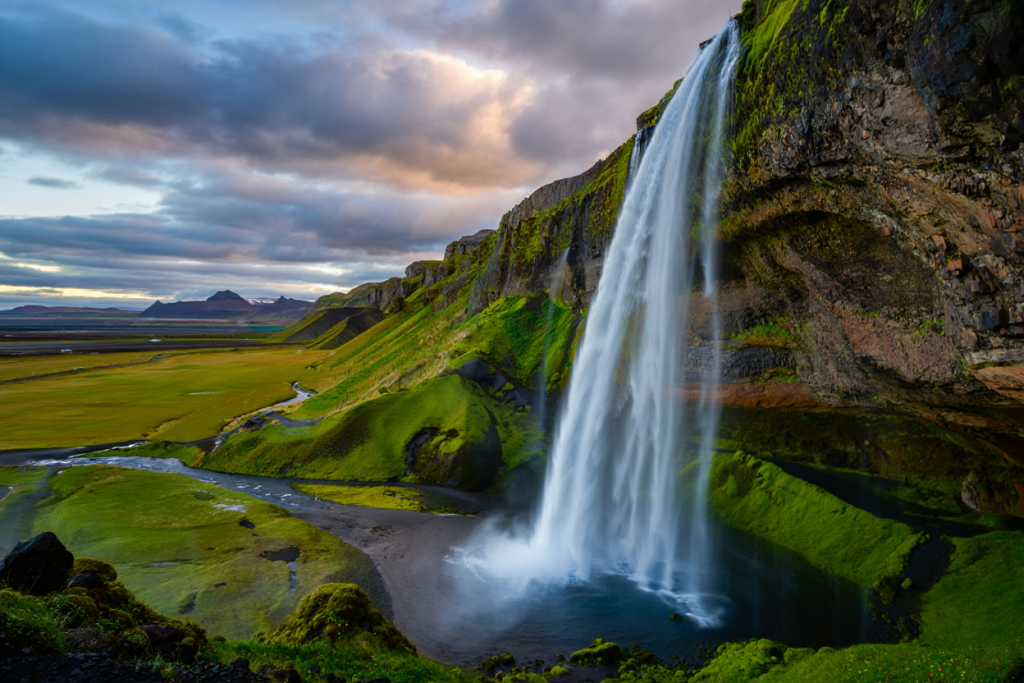
Iceland’s waterfalls (Gullfoss, Seljalandsfoss, Skógafoss, Dettifoss, etc.) are famous highlights. Luckily, most waterfalls are accessible year-round. Summer often means higher flows due to glacier melt, while winter encases falls in ice and creates surreal frozen cascades. Either season is photogenic – summer for lush surroundings, winter for icy contrasts. Photography enthusiasts will be delighted any time of year. (In summer you get verdant moss and rainbows in mist, in winter you get snowy foregrounds and longer twilight lighting.)
Photography
Iceland is exceptionally photogenic no matter when you go. The light varies dramatically by season: winter’s sun stays low (long golden hour during the few daylight hours), and summer’s midnight sun provides a soft twilight that lasts hours. According to NordicVisitor, winter offers “blue and golden hour” throughout the day, since the sun barely climbs high. And summer photographers benefit from seemingly endless soft light late into the night.
So the best time to travel to Iceland for photography depends on your goals. If you want auroras and snowy scenes, head in winter (Dec–Feb). For lush landscapes and waterfalls under soft light, pick summer (Jun–Aug). Don’t forget spring and autumn: spring flowers and fall colors add unique palettes. In short, you’ll find spectacular photo opportunities in any month; just be sure to plan around the weather and daylight.
Travel Tips and Considerations
- Crowds and Costs: Summer is high season (Jun–Aug), so flights and hotels cost more and popular sites are busy. Shoulder seasons (May & Sept/Oct) can save money and reduce crowds. Winter has the fewest tourists (except the holiday period around Dec–Jan).
- Road Safety: Driving is easiest in summer. In winter, roads can be icy and many F-roads close. If driving in winter, rent a 4WD vehicle and check [road.is] conditions daily.
- Packing: No matter the season, always pack layers and rainproof gear. In summer, you still need jackets and waterproofs due to wind/rain. In winter, bring heavy winter gear, insulated boots, gloves, and a hat.
- Advance Booking: In peak times (Jul, New Year’s, etc.), book tours and accommodations well in advance. For example, Northern Lights tours and Blue Lagoon slots often sell out.
FAQs (Frequently Asked Questions):
- Q: What is the best time to travel to Iceland for Northern Lights?
A: Late September through late March, with peak aurora sightings usually Nov–Feb. Plan for clear, dark nights away from city lights. - Q: When is the best time to travel to Iceland in summer?
A: Summer (June–August) is ideal for warm weather, long days, and outdoor activities. In particular, July offers the warmest weather and open highlands. - Q: What is the best time to travel to Iceland for road trips?
A: Summer (June–August) – roads (especially in the Highlands) are clear and passable. If you want to chase the Northern Lights by car, try early autumn (Sept) but be prepared for shorter days. - Q: What is the best time to travel to Iceland for festivals?
A: Summer (Jun–Aug) is peak festival season. Events like Secret Solstice (June), Reykjavik Pride (Aug), and Þjóðhátíð (Aug) happen then. Winter has unique cultural events too (e.g. Þorrablót in Jan/Feb, Winter Lights Fest in Feb). - Q: What is the best time to travel to Iceland for wildlife?
A: Late spring and summer. Puffins nest May–August, and whales are commonly seen April–September (peak in mid-summer). - Q: What is the best time to travel to Iceland for volcanoes?
A: Volcano tourism is year-round. Iceland is geologically active at all times. Access is easiest in summer, but you can visit volcanic sites and lava fields in any season with proper guidance. - Q: What is the best time to travel to Iceland for waterfalls?
A: All seasons offer spectacular waterfalls. Summer meltwater means strong flows and green surroundings; winter adds icy frames to falls. For both views and light, late spring or summer is very popular. - Q: What is the best time to travel to Iceland for photography?
A: Iceland is photogenic year-round. For auroras and snowy scenes, winter is best. For lush landscapes and extended golden hours, summer is ideal. Spring and autumn offer unique colors too.
Conclusion:
In conclusion, the best time to travel to Iceland truly depends on your interests. If you want endless daylight and warm weather for road trips and festivals, summer (June–August) is prime. For Northern Lights, winter (Oct–Mar) is unbeatable. Spring and autumn offer a quieter, often cheaper experience with their own charms (blooming nature or fall colors). Regardless of when you go, Iceland’s dramatic landscapes and unique phenomena will reward your trip. Use this guide to align your travel plans with your priorities (auroras, wildlife, waterfalls, etc.), and you’ll have an unforgettable Icelandic adventure.
Share this guide with fellow travelers planning Iceland, and feel free to leave your own tips or questions below. Safe travels and enjoy the Land of Fire and Ice!