Pain in the lower left abdomen is a common complaint with many possible causes, ranging from harmless gas and constipation to more serious conditions. For instance, health experts note that persistent or severe left-sided abdominal pain may indicate diverticulitis, a hernia, or an ovarian issue. The left lower quadrant (LLQ) of the abdomen contains parts of the colon (sigmoid colon), the left ureter (kidney tube), and, in women, reproductive organs (left ovary and fallopian tube). Understanding the organs in this area can help explain why a “sharp pain in lower left abdomen” or dull ache might occur when these structures are affected.
Figure: Abdominal quadrants, with left lower quadrant (LLQ) highlighted. The LLQ contains part of the colon (sigmoid/descending colon), the left kidney’s ureter, and female reproductive organs. The human abdomen is often divided into four quadrants for diagnosis. The LLQ houses parts of the digestive and genitourinary systems, so conditions affecting the colon, bladder, kidneys, or uterus/ovaries can all cause LLQ discomfort. Pain here may feel crampy, sharp, or dull depending on the cause.
Common Digestive Causes
Many cases of left lower abdominal pain originate in the digestive tract. Common causes include:
- Gas and constipation: Excess gas is one of the most common triggers of lower abdominal pain. Gas often builds up when stool stays too long in the colon (constipation), since bacteria continue fermenting waste, producing more gas. This can lead to pain in lower left abdomen and bloating, along with fullness, pressure, or frequent belching. Home remedies are often effective: over-the-counter simethicone can break up gas bubbles, and gentle exercise (walking, yoga twists) can help move gas along. To prevent gas pain, drink plenty of water, eat fiber-rich foods (fruits, vegetables, whole grains), and avoid swallowing air (eat slowly, skip sodas). If constipation is chronic, a daily fiber supplement or stool softener can keep stool soft and reduce future gas buildup.
- Diverticulitis: Small pouches (diverticula) can form in the colon, especially the sigmoid colon. When these pouches become inflamed or infected, it causes diverticulitis, a common source of LLQ pain. Diverticulitis usually produces steady or sudden pain on the left side. Other symptoms often include fever, nausea/vomiting, and constipation or diarrhea. For example, Medical News Today notes that people with diverticulitis often have constipation, diarrhea, fever, chills, and sometimes blood in stool. Treatment typically involves antibiotics and a liquid diet for mild cases. Severe cases (e.g. abscesses or perforation) may require hospitalization or surgery. Eating a high-fiber diet and staying hydrated can help prevent future diverticulitis attacks.
- Irritable Bowel Syndrome (IBS): IBS is a chronic disorder of gut-brain interaction affecting up to 10–20% of people. It causes recurring abdominal pain, often related to bowel movements. Many IBS patients report lower abdominal pain (often on the left side), accompanied by bloating, gas, and either constipation or diarrhea. The pain typically improves after passing stool. Managing IBS involves diet changes (for example, a low-FODMAP diet), stress reduction, and sometimes medications. Keeping a food/symptom diary helps identify triggers.
- Inflammatory Bowel Disease (IBD): Ulcerative colitis and Crohn’s disease are inflammatory conditions of the GI tract. Ulcerative colitis affects the colon (often the sigmoid), causing LLQ pain, urgency, and bloody diarrhea. Crohn’s can affect any part of the intestines, but if it involves the sigmoid/descending colon, it causes similar left-sided pain. Both conditions cause chronic inflammation, weight loss, and fatigue. They often require prescription treatments (e.g. anti-inflammatories, immunosuppressants) and specialist care.
- Food intolerances: Ingesting trigger foods can irritate the colon. For example, lactose intolerance leads to undigested lactose entering the colon, causing gas, bloating, and LLQ cramps. Celiac disease (gluten intolerance) causes immune-mediated inflammation, also resulting in abdominal pain, bloating, and diarrhea after eating gluten. Avoiding lactose-containing dairy or gluten-containing foods usually relieves these symptoms.
- Indigestion (Dyspepsia): Eating very fatty, spicy, or large meals can irritate the stomach and intestines. While indigestion typically causes upper abdominal burning, it can occasionally cause cramping pain in the lower abdomen, especially if gas or reflux is severe. Symptoms include heartburn, fullness, and nausea. If you experience pain in lower left abdomen after eating, consider whether acid reflux or gastric ulcers are involved, and try eating smaller meals or using antacids.
- Shingles (Herpes Zoster): Shingles is a reactivation of the chickenpox virus along a nerve. If the nerve runs through the LLQ, you might feel a sharp, burning pain there before a rash appears. Shingles pain is usually one-sided and severe. If a blistering rash follows, see a doctor promptly – antiviral medications can shorten the outbreak and reduce pain.
- Hernias: A hernia occurs when an organ or tissue pushes through a weak spot in the abdominal wall. Inguinal hernias (in the groin) are common causes of LLQ/groin pain. Symptoms include a bulge or lump in the groin/LLQ and aching or sharp pain when lifting, coughing, or walking. For example, a hernia might cause pain in lower left abdomen when walking or straining, as the bulge is stressed. Small hernias may only need observation, but larger or painful hernias often require surgical repair to prevent complications. Maintaining a healthy weight and lifting properly can reduce hernia risk.
- Kidney stones (Nephrolithiasis): Stones in the left kidney or ureter can cause severe cramping pain that may radiate to the LLQ or back. Kidney stone pain typically comes in waves (renal colic) and can be excruciating. Other signs include blood in the urine and nausea. About 10% of people will develop a kidney stone at some point. Passing small stones often only requires hydration and pain control; larger stones might need medical intervention (like lithotripsy). LLQ pain accompanied by urinary symptoms should prompt evaluation for stones or infection.
- Other digestive issues: Although less common, a complete bowel obstruction in the LLQ causes intense pain and bloating. Causes include tumors, strictures, or a twisted colon (volvulus). Symptoms are severe cramps, inability to pass gas/stool, and vomiting. This is an emergency. Chronic constipation by itself can also cause a dull LLQ ache that usually subsides after a bowel movement. In older adults, a tumor in the descending/sigmoid colon (colon cancer) can present as chronic LLQ pain with weight loss or blood in the stool, so such symptoms always merit medical evaluation.
Pain in Lower Left Abdomen in Women
Women have additional potential causes related to their reproductive system:
- Menstrual cramps (Dysmenorrhea): Cramping before or during periods often causes lower abdominal pain, including the left side. This is extremely common – over half of women experience menstrual cramps. Mild cramps usually improve with rest or NSAIDs. However, if menstrual pain is severe and disabling (especially if it worsens over time), it could indicate underlying issues and should be evaluated.
- Endometriosis: Uterine lining tissue growing outside the uterus causes chronic pelvic pain. Endometriosis often produces very painful periods and may cause pain in lower left abdomen if implants occur near the left ovary or colon. Symptoms include severe cramps, pain during intercourse, and sometimes lower back pain. Medical or surgical treatments (like hormonal therapy or laparoscopy) can help relieve symptoms.
- Ovarian cysts: Most ovarian cysts are benign and asymptomatic, but a large cyst can cause LLQ or pelvic pressure and achy pain. A ruptured cyst can lead to sudden sharp pain in lower left abdomen, sometimes with vaginal bleeding or faintness. If a cyst causes severe pain, fever, or nausea, seek immediate care.
- Ovarian torsion: If an ovary (often with a cyst) twists, its blood supply is cut off, causing acute severe pain on that side. Left-sided torsion causes LLQ pain. Symptoms include sudden, intense pain and vomiting. This is a surgical emergency; prompt treatment is needed to save the ovary.
- Ectopic pregnancy: A fertilized egg implanting in a fallopian tube (instead of the uterus) can cause life-threatening pain. As the embryo grows, it stretches/ruptures the tube, causing sharp one-sided pain (left LLQ if on left tube), vaginal bleeding, and dizziness. Any woman of childbearing age with LLQ pain should consider the possibility of pregnancy first. Ectopic pregnancy requires immediate medical care.
- Pelvic Inflammatory Disease (PID): Infections of the uterus or fallopian tubes (often from STIs) cause lower abdominal pain that may be worse on one side. PID pain is usually more diffuse, but can present asymmetrically. It often comes with fever, abnormal discharge, and pain with urination or intercourse. Prompt antibiotics are needed to prevent complications like abscesses.
- Fibroids and masses: Uterine fibroids or ovarian masses (often benign) can press on nearby organs. A fibroid on the left side of the uterus might cause a dull ache or pressure in the LLQ. Fibroids often cause heavy periods or pelvic fullness.
- Pregnancy-related causes: In early pregnancy, mild cramping is common and usually not worrisome. Later, round ligament pain (stretching of supporting ligaments) or ligament tension can cause sharp, brief pains in the lower abdomen. However, any severe or unusual LLQ pain in pregnancy – especially with bleeding or dizziness – should be evaluated quickly.
- Pain in Lower Left Abdomen During Period: Many women report LLQ pain during menstruation simply from dysmenorrhea or endometriosis. This is considered normal if it’s mild to moderate cramping. If menstrual pain is severe, chronic, or progressively worse, discuss it with your doctor for conditions like endometriosis or adenomyosis.
- Pain when Walking or Moving: Discomfort that increases with activity can suggest a hernia or strained muscle (see below). Women can also develop inguinal hernias, and movement (walking, lifting) can aggravate LLQ pain in that case. Gentle exercise and core strengthening may alleviate some pelvic pain, but persistent motion-related pain should be checked.
- Pain in Lower Left Abdomen Female (Keyword Use): When women search “pain in lower left abdomen female,” they often find causes like menstrual cramps, ovarian cysts, and pregnancy-related issues. It’s crucial to consider gynecological sources in women.
- Sharp Pain in Lower Left Abdomen: Sudden, sharp LLQ pain in women can signal emergencies: an ovarian cyst rupturing, torsion, or ectopic pregnancy. Even kidney stones can feel sharp. Sudden intense LLQ pain (especially with fever, vomiting, or bleeding) requires immediate medical attention.
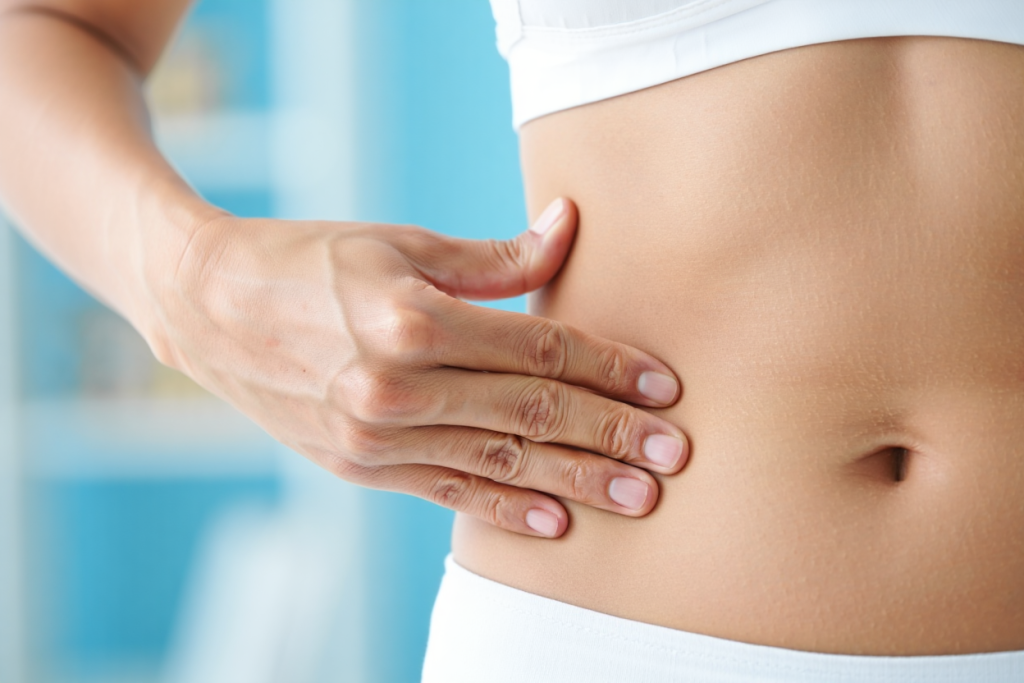
Photo: Woman holding her abdomen in pain, illustrating left lower abdominal pain in a female.
Pain in Lower Left Abdomen in Men
Men share many digestive causes but also have male-specific concerns:
- Inguinal Hernia: Men are more prone to inguinal (groin) hernias. A hernia occurs when tissue pushes through the abdominal wall, often creating a visible bulge. This can cause pain radiating into the LLQ, especially during coughing, lifting, or walking. If you notice a bulge in the groin or LLQ pain that worsens with activity, see a doctor. Untreated hernias can become trapped and lead to severe pain and digestive obstruction.
- Testicular torsion: This is a twisting of the testicle on its cord, cutting off blood supply. Although pain is felt in the scrotum, it can radiate to the lower abdomen on the same side (LLQ if left). Torsion causes sudden, severe pain and swelling. It is an emergency; if a young man experiences abrupt LLQ pain with testicular pain, seek immediate care.
- Prostatitis or epididymitis: Infections/inflammation of the prostate or epididymis can cause pelvic and lower abdominal discomfort. Men might feel it as LLQ pain, often along with urinary symptoms (burning with urination, urgency) or fevers. Treatable with antibiotics or other medications.
- Muscle strain: Any man can strain an abdominal muscle (e.g. during heavy lifting or twisting). A pulled muscle in the LLQ will hurt more with movement, coughing, or pressing on it. Rest, ice, and gradual return to activity usually resolves muscle strain over days to weeks.
- Pain in Lower Left Abdomen Male (Keyword Use): For men, searching “pain in lower left abdomen male” often brings up hernias and kidney stones. Men should also consider testicular issues or sports injuries. If pain is sharp and related to exertion, a strain or hernia is likely; if it’s radiating and with urinary changes, consider a kidney stone.
- Other: Rarely, older men might develop kidney or bladder cancer that causes LLQ or flank pain and blood in urine. Chronic prostate conditions can also cause pelvic discomfort that may be felt on one side.
When to See a Doctor
While many causes of left-sided abdominal pain are not emergencies, certain symptoms need prompt medical evaluation:
- Severe or sudden pain: A “sharp pain in lower left abdomen” that comes on suddenly (especially if it’s unbearable) is a red flag. Possible emergencies include kidney stones, ovarian torsion (in women), ectopic pregnancy (in women), or a strangulated hernia. If pain is sudden and intense, seek help immediately.
- High fever or infection signs: Fever with LLQ pain suggests an infection (e.g. diverticulitis, PID, or a kidney infection). Fever with chills or significant illness is a warning – get medical care right away.
- Gastrointestinal bleeding: Black, tarry stools or bright red blood in stool/vomit are serious signs. They could accompany diverticulitis, IBD, or cancer. Any bleeding with abdominal pain needs urgent evaluation.
- Persistent or worsening pain: Pain lasting more than a few days without improvement, or gradually increasing pain, warrants a doctor’s visit. Chronic LLQ pain (especially with weight loss or appetite loss) could indicate a chronic disease (like IBD or cancer) and should be checked.
- Pain in pregnancy: In pregnant women, acute LLQ pain (particularly with bleeding or dizziness) must be evaluated quickly to rule out ectopic pregnancy or placental issues. Always inform your doctor if you’re pregnant.
- Pregnancy-related pelvic pain: As noted, sharp pain or heavy bleeding during pregnancy or extremely painful periods could be signs of ectopic pregnancy, miscarriage, or uterine issues – get prompt care.
- Other warning signs: Persistent nausea/vomiting, inability to eat or drink, confusion, rapid heartbeat, or cold/clammy skin with abdominal pain may indicate shock or obstruction – these are emergencies.
Treatment and Relief
Treatment depends on the cause, but many strategies overlap:
- Home remedies: For gas/constipation pain, try OTC remedies (simethicone, laxatives) and home comfort measures. A heating pad or warm bath can relax muscles and ease cramps. Gentle exercise (walking, stretching) can help move gas and stimulate bowel movements. Dietary changes (more fiber, less dairy/gluten if intolerant) often alleviate recurrent pain. Adequate hydration is key.
- Medications: Over-the-counter NSAIDs (ibuprofen) or acetaminophen can reduce mild inflammation and pain. Antacids or proton-pump inhibitors help if reflux contributes. For IBS, doctors may prescribe antispasmodics or peppermint oil capsules. Antibiotics are needed for infections (diverticulitis, PID, UTIs). A short course of antibiotics is standard for diverticulitis or PID.
- Prescription treatments: Chronic conditions may require ongoing medication. For example, IBD is often treated with anti-inflammatory drugs or biologics. Women with severe menstrual pain may benefit from hormonal birth control or pain relievers. Talk to your doctor about long-term management for recurring problems.
- Surgery or procedures: Some causes need procedural intervention. Hernias are repaired surgically. Ectopic pregnancy, torsion, or appendicitis require emergency surgery. Blockages or perforations in the bowel also need surgical treatment. Kidney stones that won’t pass may be broken up (lithotripsy) or removed with a scope.
- Specialist care: If initial treatment fails or the cause is unclear, your doctor may refer you to a gastroenterologist (for IBS, IBD, unexplained pain) or a gynecologist/urologist (for reproductive or urinary causes). Diagnostic tests like ultrasound, CT scan, colonoscopy, or laparoscopy might be done to find the exact cause. Early diagnosis often leads to better outcomes, so don’t delay if symptoms persist.
Frequently Asked Questions
Q: What are the most common causes of pain in the lower left abdomen?
A: The most frequent causes are digestive: excess gas and constipation are very common. Other typical culprits include diverticulitis (inflamed colon pouches), irritable bowel syndrome (IBS), and hernia. In women, menstrual cramps and ovarian issues (like cysts or endometriosis) often cause LLQ pain.
Q: Why do I feel sharp pain in my lower left abdomen?
A: Sharp stabbing pain can come from kidney stones, a ruptured ovarian cyst, or a hernia. It might also signal diverticulitis or an ectopic pregnancy (in women). Sudden sharp pain is a warning sign; if it’s severe, seek medical attention promptly.
Q: Can gas cause pain in the lower left abdomen and bloating?
A: Yes. Gas buildup in the colon (especially with constipation) commonly causes LLQ discomfort and bloating. To relieve gas pain, try moving around, taking simethicone, or applying a warm compress. Avoid carbonated drinks and eat slowly. If gas pain is frequent and severe, discuss IBS or other causes with your doctor.
Q: Why does my lower left abdomen hurt after eating?
A: Pain after eating is often due to indigestion, acid reflux, or food intolerances. Overeating or fatty meals can irritate your stomach and intestines, sometimes causing lower abdominal cramping. Lactose or gluten intolerance can also cause LLQ pain when trigger foods are eaten. Eating smaller meals, avoiding trigger foods, and using antacids or digestives usually helps.
Q: Should I worry about pain in my lower left abdomen during my period?
A: Mild to moderate cramping during menstruation is normal and often felt in the lower abdomen (including the left side). However, if the pain is very severe, lasts for most of the period, or has worsened over time, it could indicate endometriosis or fibroids. In such cases, or if menstrual pain disrupts daily life, see a doctor.
Q: Could a kidney stone cause pain in the lower left abdomen and back?
A: Absolutely. A stone in the left kidney or ureter often causes intense flank pain that can radiate to the LLQ and back. You may also have bloody urine and nausea. Kidney stone pain typically comes in waves. Drink lots of water and seek medical evaluation – sometimes stones require shockwave treatment or surgery.
Q: Why does walking make my lower left abdomen hurt?
A: Pain that worsens with walking or activity often comes from a hernia or strained muscle. Inguinal hernias typically cause pain that increases with exertion. Similarly, an abdominal muscle pulled during exercise will hurt more with movement. Rest, ice, and gentle stretches can help muscle strain, but a bulge or severe pain should be checked by a doctor.
Q: How can I relieve lower left abdominal pain at home?
A: Relief depends on the cause. For gas or indigestion, try simethicone, peppermint tea, and walking. For menstrual cramps, a heating pad and NSAIDs like ibuprofen help. Staying hydrated and eating fiber can relieve constipation. Avoid trigger foods (spicy, fatty, or dairy) if they worsen your pain. If pain is mild, home care is fine; but if it’s severe, persistent, or accompanied by fever or bleeding, get medical care.
Q: What does lower left abdominal pain mean during pregnancy?
A: Some cramping or ligament pain is normal as pregnancy progresses. However, severe LLQ pain in early pregnancy could indicate an ectopic pregnancy or miscarriage. Later on, sharp pains might be round ligament pain, but sudden intense pain or bleeding should be evaluated immediately by a healthcare provider. Always mention pregnancy if it’s possible when discussing LLQ pain with a doctor.
Q: When should I see a doctor for pain in the lower left abdomen?
A: See a doctor if the pain is sudden or severe, or if it lasts more than a couple of days without improvement. Also seek help if you have high fever, vomiting, or gastrointestinal bleeding (blood in stool or vomit) with the pain. Persistent changes in bowel habits (diarrhea or constipation) or weight loss with LLQ pain should also prompt evaluation. In short, if something doesn’t feel right or if pain is getting worse, don’t hesitate to get checked.
Overall, pain in lower left abdomen can arise from many sources. Most are benign, but some require prompt treatment. Understanding your symptoms (timing, triggers, accompanying signs) helps determine whether home care is enough or if medical care is needed. Healthy habits – like a balanced diet, regular exercise, and not ignoring warning signs – often keep your abdomen pain-free. If this article helped clarify your LLQ pain concerns, feel free to share it or comment with your experiences to help others. Your health is important – listen to your body and seek help when needed for lasting relief and peace of mind.