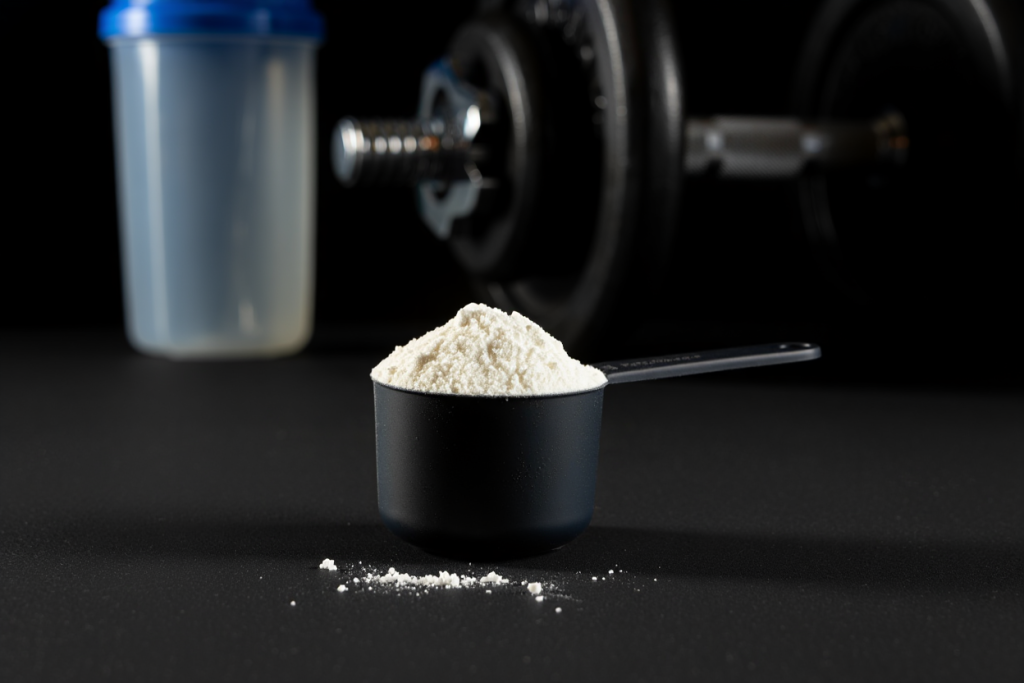
Creatine monohydrate is a popular workout supplement that can significantly boost muscle growth, strength, and recovery. Widely studied in sports science, creatine monohydrate acts as a powerhouse fuel source for high-intensity exercise. In this article, we’ll explore how creatine monohydrate works, its benefits (e.g., increased strength and muscle mass), safety profile, and how to choose the best creatine monohydrate products. We’ll compare forms like creatine monohydrate vs HCL, discuss new trends like creatine monohydrate gummies, and cover usage guidelines for men and women. By the end, you’ll know exactly why creatine monohydrate is often called the gold-standard muscle-building supplement and how to use it effectively.
What Is Creatine Monohydrate?
Creatine monohydrate is a naturally occurring compound found in muscle cells. It is derived from three amino acids (arginine, glycine, and methionine) and is used by your body to create adenosine triphosphate (ATP) – the energy currency of your muscles during intense exercise. When you lift weights or sprint, your muscles burn ATP and need to quickly replenish it. Creatine monohydrate supplements increase the amount of phosphocreatine stored in muscles, which helps regenerate ATP faster during short bursts of high-intensity activity.
By taking creatine monohydrate powder or capsules, you effectively boost your muscles’ creatine stores. This extra creatine supports short-term explosive movements (like heavy lifts or sprints) and can improve performance in the gym. Creatine is found in small amounts in foods like red meat and fish, but supplementation ensures consistently high levels in muscles. It’s especially effective because, as Harvard Health notes, “creatine monohydrate is the most commonly used form and the one most studied”. Other forms of creatine (like creatine HCL) have not shown better results, making monohydrate the go-to choice for athletes and fitness enthusiasts.
How Creatine Monohydrate Works
The key to muscle growth is putting your muscles under stress so they adapt by getting bigger and stronger. Creatine monohydrate supports this process by enabling you to train harder and recover faster. Here’s how it works:
- Increases energy availability: Creatine donates a phosphate to ADP to quickly regenerate ATP, the body’s energy molecule during high-intensity exercise. This means during short, intense lifts or sprints, your muscles have more fuel to keep going.
- Enhances muscle volume: Creatine draws water into muscle cells, causing them to swell slightly. This cell volume increase can trigger anabolic (muscle-building) signals and make muscles look fuller. Some weight gain (0.8–3.7 pounds) is common in the first week due to water retention, but it reflects hydrated, fuller muscles.
- Promotes protein synthesis: By speeding recovery, creatine allows you to lift heavier or more often, leading to greater muscle protein synthesis over time. Studies show that creatine supplementation during resistance training “promote[s] gains in strength and muscle mass” more than training alone.
- Supports recovery and glycogen: Creatine may enhance glycogen storage and reuse in muscles, helping you recover between sets and workouts. Better energy storage means quicker recovery for your muscles after intense sessions.
Creatine isn’t a steroid or hormone; it simply improves your natural energy systems. As Harvard Health explains, it’s often mistakenly called an amino acid, but it’s a distinct compound that the body can make or get from diet. By loading your muscles with creatine monohydrate, you equip your body to perform more reps or lift heavier weights, which over weeks leads to bigger muscles. The process is backed by research: one review found an average 5% increase in strength and power from creatine use, and another reported muscle mass gains (~5.7 lbs in 8 weeks) when combined with training.
Top Benefits of Creatine Monohydrate
Creatine monohydrate’s popularity comes from its many proven benefits. In short, it’s one of the most researched supplements that actually delivers tangible results for muscle building and performance. Here are the key benefits of adding creatine monohydrate to your routine:
- Increased Muscle Strength: Creatine has been shown to boost strength in compound lifts like bench press, squats, and deadlifts. In one study with collegiate athletes, bench press 1RM (one-rep max) increased by 5.2% and squat by 8.7% after 9 weeks of creatine. Overall, many users see roughly 5–15% improvement in high-intensity exercise strength.
- Greater Muscle Mass: When combined with resistance training, creatine supports larger gains in muscle size. A review of 250 studies found creatine outperformed other supplements for building muscle. In an 8-week trial, subjects gained several pounds of muscle when using creatine, along with big increases in bench press and squat strength. Creatine users often see an average increase of 2.2% in lean body mass (and even a drop in body fat) compared to non-users.
- Faster Recovery: Creatine can reduce muscle cell damage and inflammation after intense exercise, speeding recovery. This means you can train more frequently and maintain higher intensity. Some studies note less muscle soreness with creatine use, likely due to better energy turnover and hydration in cells.
- Enhanced Endurance in High-Intensity Work: Although creatine is known for short-burst energy, it also helps sustain performance during repeated sprints or high-intensity interval training by replenishing ATP faster. Athletes notice better stamina over multiple sets or sprints because creatine buffers energy depletion.
- Brain Benefits: Emerging research suggests creatine may support cognitive function under stress, sleep deprivation, or mental fatigue – though more studies are needed. Creatine receptors exist in the brain, so better energy there might help memory or focus. This is an added perk, but the main focus remains muscle and performance.
- Safe and Well-Studied: Importantly, creatine monohydrate is safe for most healthy people when used as recommended. Unlike many trendy supplements, it has a solid track record: decades of research show few risks for healthy adults. Harvard experts note that doses of 3–5 grams per day are generally safe.
In summary, creatine monohydrate benefits include bigger muscles, more strength and power, quicker recovery, and even some cognitive perks. No wonder it’s called the “gold standard” of sports supplements. To reap these benefits, consistency is key: regular dosing (and an exercise plan) will lead to the best results.
Creatine Monohydrate vs Other Forms
There are many forms of creatine on the market (e.g., creatine HCl, buffered creatine, creatine ethyl ester), but none have proven superior to monohydrate in real-world studies. Monohydrate is the cheapest and most effective form available. Healthline confirms that although newer creatine products exist, “they are no more effective than creatine monohydrate”.
Creatine Monohydrate vs HCL: Creatine hydrochloride (HCl) is marketed as having better solubility, but the evidence is weak. The human body ultimately breaks creatine HCl down to the same molecule as monohydrate, so performance effects should be similar. Since monohydrate is extensively researched, most experts recommend sticking with it. As one expert review states, monohydrate is likely “the most effective and cheapest option available”. In practice, if you encounter GI issues, you can try micronized creatine monohydrate (finer powder) for better mixing and digestion, or a modest dose of creatine HCl. But for most people, creatine monohydrate powder is the go-to choice for muscle gains.
Other Forms: Creatine is also sold as tablets, liquids, or even gummies. Recently, some brands launched creatine monohydrate gummies as a chewable alternative. These are essentially the same active ingredient in a fruity candy form. They might be convenient, but they often contain added sugar and cost more per dose. Scientifically, a gummy delivers the same creatine (5 g, for instance) as a spoonful of powder. If you prefer gummies, ensure they provide an effective dose (usually 3-5 g per serving) and avoid excessive sugars. Otherwise, powder is simple, pure, and mixes with any drink.
How to Take Creatine Monohydrate for Best Results
Taking creatine monohydrate correctly is important to maximize its muscle-building effects. Follow these tips for optimal use:
- Dosage (Loading vs Maintenance): You can do a short “loading phase” to quickly saturate muscles: ~20 grams per day split into 4 doses (e.g. 4×5g) for 5–7 days. After that, a maintenance dose of 3–5 grams per day is sufficient. Alternatively, you can skip loading and just take 3–5 grams daily; muscle levels will rise more gradually, but you’ll still get benefits (it might just take a couple extra weeks). Both methods work, but loading can show faster results if you want them quickly.
- Timing: Although some take creatine around workouts, timing isn’t critical. The main goal is consistent daily intake. It can be taken with water or any drink. Many users mix creatine powder into a post-workout shake or beverage. Taking creatine with a meal or carb-rich drink may slightly improve uptake, as insulin helps drive it into muscles.
- Hydration: Because creatine draws water into muscles, it’s important to stay well-hydrated. Drink plenty of water throughout the day to prevent dehydration and help kidney clearance of creatinine (a byproduct).
- Form: Use pure, micronized creatine monohydrate powder for best results. Micronized powder dissolves better in liquids, reducing stomach issues. Capsules or gummies should clearly list “creatine monohydrate” as the ingredient. Avoid proprietary blends or multi-ingredient products if your goal is simply creatine supplementation.
- Mixing: Creatine is flavorless. Stir it into juice, a protein shake, or even just water. Some people experience stomach upset if they gulp a large scoop quickly. If GI discomfort occurs, split the dose (e.g., two 2.5 g servings) or try taking it with food.
Consistency is key. Once muscles are saturated, maintain steady intake. After a few weeks of use, you should notice feeling stronger and lifting more. Healthline notes that only certain people (vegetarians, for example) might see even bigger gains, but most strength-trained individuals benefit when following a sensible diet and training plan.
Best Creatine Monohydrate Supplements
When shopping for creatine monohydrate powder or gummies, quality matters. Some tips to choose the best creatine monohydrate products:
- Purity: Look for products labeled as pure creatine monohydrate, without unnecessary fillers. Micronized creatine (very fine powder) is usually better mixed and digested.
- Third-party Testing: Since supplements aren’t tightly regulated, third-party testing is key. Choose brands that are NSF Certified for Sport, Informed-Choice, or USP Verified. This ensures your creatine doesn’t contain impurities (like heavy metals) and has the stated dosage.
- Reputation: Buy from reputable supplement companies or retailers. Read reviews and check if they mention any issues.
- Price: Creatine monohydrate is generally inexpensive. A bulk bag of 500g or 1kg often costs less per serving than fancy blends.
- Form: Decide if you prefer powder, capsules, or even gummies. For strict muscle growth goals, powder is the simplest and most cost-effective. Capsules can be handy for travel. Gummies may appeal if you dislike mixing powders, but watch sugar content.
A common approach is to start with a standard micronized powder (5g per scoop) and supplement daily with it. As we’ve cited, science supports this basic form as the best choice.
Creatine Monohydrate for Women
Women can benefit from creatine monohydrate just as men do. Research has shown similar proportional gains in muscle strength and lean mass for females. For example, one study found women taking creatine and lifting weights experienced a 60% greater increase in lean body mass than those who only trained. Another review noted gains in strength and muscle in female participants.
Common myths (like creatine causing bulky muscles or being “only for men”) are unsubstantiated. Creatine increases muscle water content and protein synthesis; but without heavy caloric excess and specialized training, women will not suddenly become overly muscular. Many female athletes and fitness enthusiasts use creatine to improve lifting performance and recovery. It can also help counteract age-related muscle loss (sarcopenia).
Dosage for women is the same (3–5 grams per day). Pregnant women or those with kidney issues should consult a doctor first. Otherwise, creatine is as safe for women as it is for men. In fact, the improved energy and hydration in muscles can even help with menstrual fatigue or bodybuilding plateaus.
Overall, if you’re a woman looking to tone up, get stronger, or simply support your training, creatine monohydrate can be a valuable addition.
Safety and Side Effects of Creatine Monohydrate
Creatine monohydrate is generally safe for healthy adults when used at recommended doses. It is one of the most studied supplements and has an excellent safety profile. However, some minor side effects and precautions should be noted:
- Water Retention/Weight Gain: It’s common to gain a few pounds of water weight in the first week of taking creatine. This can make muscles look fuller. This is not fat gain, just increased intracellular water. It’s usually temporary and stabilizes over time.
- Gastrointestinal Upset: A small percentage of users may experience stomach cramping, bloating, or diarrhea, especially during the loading phase. To minimize this, take smaller doses spread throughout the day or try micronized creatine. Avoid taking very large amounts at once.
- Kidney Concerns: A common myth is that creatine damages kidneys. In healthy individuals, this has not been shown. Creatine does slightly raise creatinine (a waste marker) in blood tests, but this is harmless and only indicates increased creatine metabolism. However, if you have existing kidney disease or on medications affecting the kidneys, consult a doctor. For most people, a 3–5g daily dose does not harm kidney function.
- Other Effects: Very high doses over very long periods have rarely been linked to muscle cramping or electrolyte imbalances, but these cases are uncommon. Adequate hydration and a balanced diet usually prevent any issues.
- Product Purity: Because supplements are not FDA-regulated like medications, some creatine products may contain impurities. This is why third-party testing (NSF, Informed-Sport, etc.) is recommended.
- Special Groups: Adolescents and older adults may have different needs. Teens should use creatine only with adult supervision or medical advice. Elderly may benefit for muscle preservation, but should use lower doses and check with a doctor due to natural kidney function decline.
In summary, the main side effects of creatine monohydrate are mild and manageable. Proper dosing and hydration are key. As one review put it, creatine can cause “bloating and other digestive symptoms” only if abused in high doses, but otherwise is safe. Ensuring you buy a quality monohydrate product and following the recommended 3–5g daily (with a short loading phase if desired) will maximize benefits and minimize any risk.
Creatine Monohydrate FAQs
Q: What is creatine monohydrate and how does it work?
A: Creatine monohydrate is a natural compound that helps regenerate ATP, your muscles’ quick energy source during intense exercise. When you take it as a supplement, it increases the creatine stored in muscle cells, allowing you to perform more reps or lift heavier loads. This extra energy translates into strength and muscle gains over time.
Q: What are the main benefits of creatine monohydrate?
A: The primary benefits are increased muscle strength and size. Studies show creatine users typically see around a 5% greater improvement in strength and significant gains in lean body mass compared to non-users. It also improves recovery between sets, reduces fatigue, and may enhance high-intensity endurance. Other perks include improved hydration of muscle cells and even some cognitive benefits under stress.
Q: What is the difference between creatine monohydrate and creatine HCl?
A: Creatine HCl (hydrochloride) is just another form of creatine. Chemically, both become the same creatine molecule in your body. Monohydrate is cheaper, more researched, and shown to be just as effective. HCl may dissolve better in water but has no proven extra strength or muscle-building benefits. Experts generally recommend sticking with creatine monohydrate for best value and results.
Q: How should I take creatine monohydrate (dosage and timing)?
A: A common approach is to take 20 grams per day (split into 4 doses) for 5–7 days (loading phase), followed by 3–5 grams per day as maintenance. This loads your muscles quickly. You can also skip loading and just take 3–5g daily; it will saturate your muscles over a few weeks. Timing isn’t critical, but many take creatine post-workout with a shake. Stay well hydrated regardless of timing.
Q: Can women take creatine monohydrate?
A: Absolutely. Women benefit from creatine similarly to men. Research shows female athletes get notable strength and lean mass gains from creatine. It does not make women bulky unless they train heavily for bulking; instead it helps in toning, strength, and recovery. The recommended dose (3–5g/day) is the same. It’s safe for women of all ages, except pregnant or kidney-compromised individuals should consult a doctor first.
Q: What about creatine monohydrate gummies or capsules?
A: Gummies and capsules are just delivery forms of creatine monohydrate. They contain the same active ingredient. Gummies may be convenient or tastier, but check the label for sugar and ensure each serving gives the full 3–5g of creatine. Capsules avoid any taste but can be bulky (you may need several pills to equal a scoop). Powders remain the most cost-effective and versatile option. Choose whatever form you’ll stick with consistently.
Q: Are there any side effects of creatine monohydrate?
A: At recommended doses, side effects are rare. Some users experience water weight gain (from hydrated muscles) and mild stomach upset if taking too much at once. Long-term studies show no kidney damage in healthy people. To avoid issues, don’t exceed doses, stay hydrated, and buy quality products. If you have kidney problems or other health concerns, check with a healthcare provider before use.
Q: Which is the best creatine monohydrate supplement?
A: The “best” creatine monohydrate supplement is one that is pure, micronized, and third-party tested for quality. Look for well-known brands that list “micronized creatine monohydrate” on the label. (For example, products certified by NSF or Informed-Choice are good choices.) Avoid fancy blends with many added ingredients. Price is usually a clue: very cheap may cut corners, while very expensive is unnecessary. A good mid-range pure creatine powder will do the job.
Conclusion
Creatine monohydrate stands out as one of the most effective and well-researched supplements for muscle growth and strength gains. Its ability to boost energy production in muscles, increase water content, and enhance training capacity makes it a staple for athletes, bodybuilders, and anyone serious about fitness. Using creatine monohydrate correctly—3–5 grams daily, with an optional short loading phase—can help you break through plateaus and achieve faster muscle gains. It’s safe for most healthy adults (including women) and backed by decades of research.
Whether you choose powder, capsules, or the new gummy format, the key is consistency and quality. Be sure to pick a reputable brand of creatine monohydrate powder and stay hydrated. Avoid falling for gimmicks like unproven new forms; stick with the classic monohydrate that science favors. When used as part of a solid resistance-training program, creatine can help you lift heavier, recover faster, and ultimately build more muscle.
Ready to supercharge your workouts? Give creatine monohydrate a try and see the gains for yourself. Don’t forget to share this guide with your gym buddies or on social media, and let us know your results in the comments below!