Greece offers something amazing in every season, from sun-drenched islands to cultural city tours. But when is the best time to travel to Greece? The answer depends on your priorities – weather, crowds, budget, or special events. Generally, the shoulder seasons of spring (April–June) and fall (September–October) are ideal for sightseeing and moderate weather. High summer (July–August) has hot weather and full beaches, while winter (Nov–Feb) is quiet and budget-friendly. This guide breaks down each season and region – including Athens, Santorini, islands, cruises, and festivals – to help you pinpoint the ideal months for your Greek adventure.
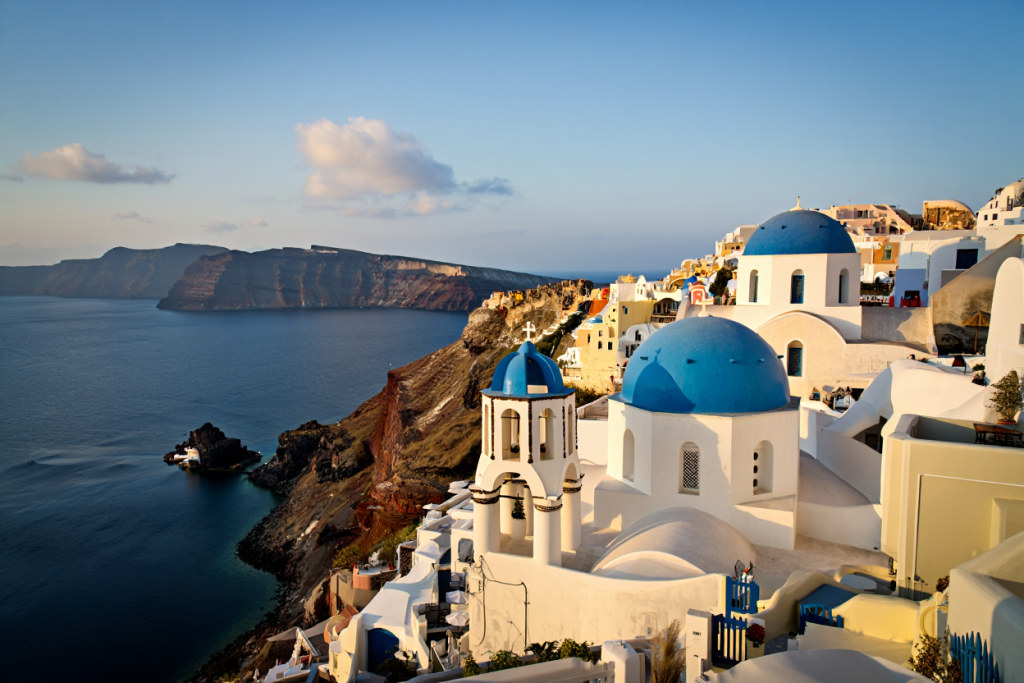
Stroll through Santorini’s iconic white-washed streets in late spring or early fall when the weather is warm but crowds are thinner. Photo credit: Tânia Mousinho/Unsplash
Understanding Greece’s Seasons and Travel Peaks
Greece’s climate is Mediterranean: hot, dry summers and mild, wet winters. The high season runs roughly June–August, with scorching days (Athens can hit ~90–100°F) and peak crowds. This is great for beachgoers and open-air dining, but hotels and flights are very expensive.
The shoulder seasons (spring and fall) strike a balance. For example, travel experts agree that late spring (May–June) and early fall (September–October) are often the best time to travel to Greece. In those months the weather is warm (70–80°F) and dry, yet temperatures aren’t stifling. Tourist numbers also drop: one source notes that fewer than 1 million visitors come each month in Nov–Mar, versus six times that number in August.
The low season (November–March) is the cheapest time to visit. Winter travel in Greece is far quieter – especially after the Dec–Jan holidays – and hotels often cost far less (up to 30–50% off). Many resorts and ferries do shut down in winter, but cities like Athens and Thessaloniki stay open and uncrowded.
In short: late spring and early fall are ideal for sightseeing, summer for beaches, and winter for the lowest prices and fewer crowds.
Spring (April–June): Blooming Landscapes and Mild Weather
Spring in Greece is short and sweet. By April–May, wildflowers bloom and ancient sites become inviting again. Temperatures rise from the 50s°F in March to the 60s–70s by May. According to travel guides, “May is a good month to travel if you’re looking to experience both the cities and the islands”, since islands reopen for the season and city tours are pleasant.
Major highlights in spring include Easter (Orthodox Easter), usually in April or early May. Greek Easter (Holy Week) involves huge celebrations nationwide, from candlelit church services to festive feasts. If you visit in April, you’ll enjoy cooler sightseeing at sites like Athens’ Acropolis without summer heat. Indeed, cultural attractions like Delphi and Knossos are more enjoyable in spring than under the blazing summer sun.
Best for: Sightseeing, hiking, budget fares.
Tips: April sees occasional rain, but also festivals like Greek Independence Day (March 25) with parades in Athens. Early May has moderate heat and All Saints’ Day break. Shoulder-season bargains start appearing (flights and hotels are cheaper than June or July).
Summer (June–August): Peak Season for Sun and Beaches
Summer is beach season in Greece. From June through August, temperatures soar (often into the mid-90s°F, and 100°F+ inland). Island destinations (Mykonos, Santorini, Corfu) are in full swing. The sea is warmest during July–September, making these months ideal for swimming and island-hopping. In fact, travel experts note “the best time to visit Greece is from May to October”, especially for beach vacations.
However, high summer brings huge crowds and high prices. Tourist numbers peak – Cruise ships dock daily in the Aegean – so popular spots get very busy. Athens and the Cyclades (Santorini, Mykonos) are especially packed and pricey in July–August. Even so, summer has its perks: long, sunny days for swimming and festivals like the Athens & Epidaurus Festival (ancient theatre performances in June–August).
Best for: Beach holidays, cruises, festivals (e.g. Athens Summer Festival, Santorini arts).
Drawbacks: Very hot, crowds, peak prices. Reserve accommodations and boat trips well in advance. If you do travel in summer, consider visiting islands early in the season (June) or later (September) to avoid the worst crowds.
Fall (September–November): Warm, Less Crowded, Culturally Rich
Autumn (fall) is one of the most comfortable times to visit Greece. In September–October, the air is still warm – islands stay beach-worthy – but many summer crowds have gone home. September days often remain in the 70s–80s°F, and evenings are cooler, making city tours and hikes pleasant. By October the weather cools further (60s–70s°F), and by late fall hotels and ferries begin closing for winter.
Fall is also harvest season, rich in local events. For example, September in Santorini brings the vedema (vine harvest) and wine festivals. Other regions have fig festivals (e.g. Kymi) and honey festivals. These autumnal celebrations offer cultural flavor for visitors. Overall, shoulder-season September–October offers “cooler weather and fewer crowds”, making it a great value time to travel.
Best for: Wine/food tours, cultural festivals (wine harvest, Ochi Day), milder weather, bargain travel as hotels drop prices after August.
Note: By November many islands are quiet and businesses close. Mainland towns and Athens remain lively, but rain increases. Still, early November can be affordable, and the islands like Crete and Santorini still have moderate weather.
Winter (December–February): Quiet Season and Budget Travel
Winter in Greece is off-season. Temperatures in Athens fall into the 50s–60s°F and higher elevations even see snow. Rain is more common, and ferries slow or stop. Most island resorts (Cyclades, Dodecanese, etc.) close from late fall through March. However, major cities (Athens, Thessaloniki) and historical sites remain open year-round.
The advantage of winter travel is cost. As one guide notes, international flights to Greece can be 30–50% cheaper in low season. Many hotels in Athens, Thessaloniki, and other cities drop rates, and winter is the cheapest time to fly. If you don’t mind colder weather, you’ll have museums and ruins largely to yourself. Note, however, that travel logistics are trickier: check opening hours and ferry schedules, as some attractions (and islands) close for winter.
Best for: Tight budgets, quiet sightseeing, festive season (Christmas in Athens).
Drawbacks: Limited island travel, cooler/wet weather. Winter is “the worst time” by some accounts, but it can be the best time to visit cultural sites without crowds.
Best Times by Destination and Interest
Athens and Mainland Greece
Athens’s hot summers (often 90°F+) and intense sun make spring and fall preferable. Local experts recommend “visiting in the spring (April–June) or fall (September–October)” to avoid city heat and cruise crowds. In Athens these months have comfortable temperatures for exploring Acropolis, museums, and tavernas. If you must go in summer, expect crowds and attend popular events like the Athens & Epidaurus Festival (classical plays in June–August). Winter months see fewer tourists in Athens, perfect for museum tours and holiday lights (Dec–Jan festivities), though nights are chilly.
Santorini and the Islands
Island life peaks in summer, but for many travelers the best time to travel to Greece islands (including Santorini) is late spring or early fall. Santorini in particular becomes extremely crowded and expensive by July–Aug. If you want warm sea without the crowds, aim for June or September. Travel+Leisure notes that “June or September can be excellent times for a beach-focused vacation, since the water is warm enough for swimming”. Outside these times, many island hotels and ferries shut down.
The Parthenon in Athens is best visited in cooler months. Spring or fall weather makes climbing the Acropolis more pleasant. Photo credit: Hans Reniers/Unsplash
Crete, Rhodes and Southern Islands
Crete and Rhodes, in the southern Aegean, have a slightly longer season – many attractions stay open into October. They also get more winter sun than northern Greece. Even so, they follow the same pattern: high season in July–Aug, shoulder in May–June and Sept, low season (very mild off-season) in Dec–Mar. Crete’s hiking trails (Samaria Gorge) open late spring and close by fall.
Cruise and Island-Hopping
If you plan a Greek cruise or ferry-based tour, consider that most ferries run regularly May–September. Cruises often start in May–June when the seas calm. In fact, Audley Travel notes “the best time to cruise in Greece is June, when temperatures and winds are lower than the peak of summer”. Summer holidays (July–Aug) are busy, so June or September cruises can be more relaxed yet still warm. Avoid winter cruising; fewer ferries sail and some routes pause for the season.
Beaches and Coastal Travel
For beach lovers, warm water is key. The best time to travel to Greece beaches is mid-summer (July–August), when sea temperatures reach the mid-70s°F. If you prefer fewer people, June or September are good compromises (warm enough to swim, with thinner crowds). The northern Aegean (e.g., Halkidiki) heats up later in summer. Remember that the Ionian and Aegean are pleasant through early fall; for example, Corfu and Crete still enjoy beach weather in early October.
A quiet cove in Corfu at sunset. The Ionian Sea (Greek beaches) is warmest in late summer, but shoulder months like June or September offer swimming with fewer crowds.
Festivals and Events by Season
If you’re after cultural experiences, timing your visit around Greek festivals can add value. Here are some highlights:
- Greek Orthodox Easter (Spring): April/May (date varies). The most important holiday, celebrated with candlelit vigils, processions, and feasts. Towns like Corfu (Easter Saturday festivities) and cities nationwide have vibrant rituals.
- Greek Independence Day (March 25): Parades in Athens (Syntagma Square) and nationwide. Marks the start of spring tourism.
- Athens Epidaurus Festival (Summer): June–August. Classic theatre and music performances at ancient venues (Athens Odeon, Epidaurus Theatre).
- Feast of the Assumption (Aug 15): Major Orthodox holiday. Nationwide, Greeks return home for family celebrations. Many towns have local festivals and feasts.
- Ohi (No) Day (Oct 28): National holiday with parades and ceremonies commemorating 1940 resistance to Axis powers.
- Harvest/Wine Festivals (Autumn): September is prime harvest month. Santorini holds its grape vedema, Peloponnese wineries open for tastings, and villages celebrate figs, olives, and honey.
- Christmas & New Year (Dec–Jan): Christmas in Greece is relatively low-key (heavy on family gatherings rather than tourism), but you may find festive lights, markets, and midnight mass on Dec 25. Some hotels and cruises run holiday-season specials.
No matter when you go, there’s usually a local festival or feast happening. In shoulder seasons, you can enjoy these events without the summer crowds.
Budget Travel: Finding the Best Deals
For budget travelers, timing can save a lot. The cheapest months to visit Greece are generally the low season (late fall through winter). One travel guide notes that November–March sees much lower airfare and lodging costs. According to Skyscanner, April and November often have the “cheapest months to fly to Greece”. Hotels are usually “pricey in July and August,” so avoiding midsummer is key to lower rates.
However, watch for spikes: Spring Easter (late April/early May) and New Year holidays (late Dec) can drive prices up. If you want shoulder-season deals, try early spring (April) or late fall (October–November). Also, book flights 45–60 days ahead for best prices.
Money-saving tips:
- Travel off-peak: Aim for late fall (Oct–Nov) or early spring (Mar–Apr) to combine lower prices with fair weather.
- Fly mid-week: Shoulder and low-season airfare often drops.
- Stay in cities: Mainland hotels run specials in low season since island resorts close.
- Use public ferries: Ferries operate May–Oct, and booking early (especially for summer) can save money.
- Pack smart: If you visit in winter or spring, bring layers – many sites (and ferries) have reduced service in cool weather.
Engaging Seasonal Q&A
Q: When is the best time to visit Greece for warm weather but smaller crowds?
A: Late spring (May–June) and early fall (September) are ideal. In these months, temperatures are warm (around 70–80°F) but not extreme, and tourist crowds thin out after peak summer. Many consider September the single best month for island-hopping – warm seas, olive harvests, and lighter crowds. May is another great shoulder month with wildflowers and mostly sunny weather.
Q: What is the best time to travel to Greece Athens?
A: For Athens, spring (April–June) and fall (September–October) offer the best combination of mild weather and manageable crowds. High summer is very hot (over 90°F) and busy, while winter is cool (40s–50s°F) but quieter. Many travelers enjoy Athens in May or September when outdoor dining and sightseeing are most comfortable. Note: Athens hosts festivals in summer (the Athens Festival) and patriotic events in March, which can also make travel interesting.
Q: Which months are best for visiting Santorini and the Greek islands?
A: The best time to travel to Greece Santorini (and the Cyclades) is late spring or early autumn. Aim for June or September. Santorini in July–August is gorgeous but extremely crowded and hot. In June, all island services are running and the sea is warm, yet the morning light is softer. September has similarly warm water and wine harvest festivities. By October, Santorini begins to quiet down but often remains open until mid-month.
Q: When is it cheapest to travel to Greece?
A: The cheapest time is the off-peak season (November–March), excluding Christmas/New Year. Flights and hotels can be 30–50% off in winter. For a balance of savings and good weather, consider the shoulder months of April, May, or October. Just avoid Easter week and the December holidays, when prices spike.
Q: What is the best time to travel to Greece for festivals?
A: Festival seasons vary, but spring and fall are rich with events. For traditional culture, Easter in April/May brings nationwide celebrations. September is also notable for food and wine festivals around grape and olive harvests. Summer (June–Aug) features arts festivals (e.g. Athens Festival) and national holidays (Aug 15 Assumption). Choose the season based on the festival that interests you: Orthodox Easter, wine harvest, or Independence Day, for example.
Q: Is winter a bad time to travel to Greece?
A: Winter (Dec–Feb) can be wet and cool, with many islands virtually empty. It’s often considered the worst time for beach travel. However, it has perks: museums and archaeological sites are uncrowded, and prices are low. If you travel in winter, focus on Athens and southern Greece (Crete, Rhodes), and be prepared for some services (ferries, hotels) to be limited.
Conclusion
No matter when you go, Greece has travel rewards year-round. If sightseeing and moderate weather are your goal, the best time to travel to Greece is late spring (May–June) or early fall (September–October). Summer delivers classic beach vacations with hot sun and lively nightlife, while winter offers peace and savings for explorers and culture lovers. Consider your priorities – whether it’s swimming at Greek beaches, hiking ancient trails, attending festivals, or saving money – and pick the season that aligns with them.
Planning ahead is key: book accommodations early for summer months, and keep an eye on flight deals in shoulder season. Also, check local holiday calendars (like Orthodox Easter) to enhance your trip. Wherever and whenever you choose to go, Greece’s beauty will be unforgettable.
Enjoy your Greek adventure! If this guide helped you, please share it and comment below with your favorite season in Greece. We’d love to hear from you!