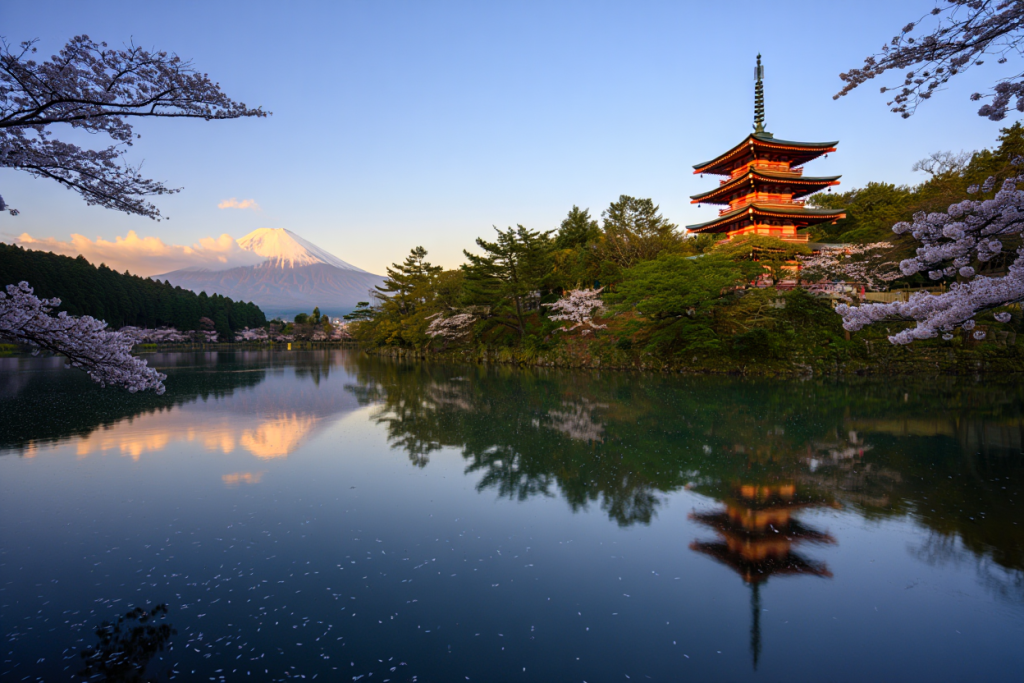
Japan’s four distinct seasons offer wildly different experiences for travelers. In spring (March–May) you’ll find cherry blossoms (sakura) in full bloom and mild, pleasant weather. Summer (June–August) brings festivals (matsuri), lush countryside, and hot, humid days. Autumn (September–November) is famous for cool, sunny weather and brilliant fall foliage. Winter (December–February) transforms the north into a snowy wonderland of skiing and hot springs. Each season has its highlights, and the best time to travel to Japan depends on what you want to see and do. This guide breaks down the weather and cultural events by season, plus travel tips for Tokyo, Kyoto, Hokkaido and more, so you can choose the ideal time for your Japanese adventure.
Japan’s Climate and Seasons
Japan stretches from subtropical Okinawa in the south to snowy Hokkaido in the north, so climate varies widely. In general, Tokyo’s summer (June–August) sees average highs around 28°C (82°F), heavy rains in June, and frequent typhoons by late August. By contrast, Tokyo’s winter (December–February) is mild (daytime highs ≈10°C) with cool, dry air. Spring and autumn offer the most comfortable weather: Tokyo averages about 18–24°C in spring and fall. In the Japanese Alps (Nagano, Niigata) and in northern areas like Hokkaido, summers are cooler and winters bring abundant snow. For example, Hokkaido’s capital Sapporo often sees its first cherry blossoms in late April and deep winter snows by December. Japan’s rainy season (tsuyu) typically runs from early June through mid-July, and typhoons can hit from August into September. Knowing these patterns helps you decide when to go. As one travel guide notes, “Spring (late March–early May) is known for cherry blossoms… Summer (June–Aug) for festivals and beaches… Autumn (mid-Sept–late Nov) for leaves and cultural festivals… Winter (late Dec–early Mar) for snow, hot springs, and holiday magic”.
Spring in Japan: Cherry Blossoms & Golden Week
Photo: Cherry blossom season in Japan – a picturesque road lined with sakura trees, symbolizing spring (often considered one of the best times to travel to Japan).
Spring is arguably the most celebrated season in Japan. Late March through early April brings the peak cherry blossom season in most of Honshu (Tokyo, Kyoto, Osaka). Bloom dates shift yearly and by region, but Tokyo’s sakura often peak around March 24 and Kyoto’s around the first week of April. These weeks attract huge crowds to parks and temples for hanami picnics. Travel experts note that late March and early April are “the best months to visit Japan for cherry blossoms”. If you want great bloom with somewhat fewer tourists, try arriving just before the full bloom period (mid-March) or head north. In Hokkaido, for example, cherry trees bloom about three weeks later; Sapporo’s blossoms peak in mid-to-late April, making Hokkaido a top spot for late-spring sakura viewing.
Spring weather is generally mild – warm afternoons and cool evenings – which makes city sightseeing comfortable. However, Golden Week (late April–early May) is a major holiday season when the Japanese travel en masse. From April 29 to May 5 (and surrounding weekends), expect crowded trains, full hotels, and higher prices. For a quieter visit, many travelers schedule trips just after Golden Week ends (after May 7). In fact, one travel blog recommends that if you prefer fewer crowds, “May is one of the best months to visit Japan – just make sure you arrive after Golden Week”.
- Cherry Blossoms: Peak in late March–early April (Tokyo/Kyoto); mid-April in Hokkaido. Don’t miss famous hanami spots like Ueno Park (Tokyo) and Maruyama Park (Kyoto).
- Festivals: Takayama Spring Festival (April), Kanda Matsuri (Tokyo, mid-May), and many local sakura matsuri.
- Weather: Pleasant (15–22°C), but showers are possible. Pack a light jacket.
- Tip: Book lodging 3–4 months in advance. Check cherry-blossom forecast (e.g. Japan’s official forecast) to time your visit.
Summer in Japan: Festivals & Adventure
Summer in Japan starts with the rainy season in June, when traffic and prices dip. After mid-July the rains give way to hot, humid weather. Average highs in July/August can reach 30°C (86°F) in Tokyo. Despite the heat, summer is a vibrant time to visit due to countless festivals (matsuri) and fireworks.
- Festivals: Summer = matsuri season. Don’t miss Gion Matsuri in Kyoto (July), Tenjin Matsuri in Osaka (July), and Tanabata celebrations (July 7). All-night bon odori dances and fireworks (hanabi) displays light up skies in July and August across Japan. (For example, Tokyo and Yokohama both host spectacular firework shows each August.)
- Holiday: Obon (mid-August) is a major festival honoring ancestors; many Japanese travel home, and regional Obon dances are held nationwide. Tourist crowds at top sites and trains can swell, so consider traveling late August to avoid peak Obon crowds.
- Beaches & Mountains: Okinawa and the southern islands offer warm beach weather (though be wary of typhoon season peaking Aug–Sept). The Japanese Alps (Nagano, Gifu) are cool retreats: summer hiking, forests, and cultural villages. Even Kyoto’s Kibune village offers a 10°C cooler respite just outside the city.
- Weather: Hot and humid. Plan indoor museum visits midday, and use air-conditioned trains. When it rains (especially in June), gardens are lush and hotels are cheaper.
- Tip: Pack light, breathable clothing. Book accommodations early if visiting around Gion Matsuri or Obon. If you want fewer crowds, late August or early July is better than mid-August.
Overall, the best time to travel to Japan summer festivals is late July through early August, after the rainy season and before typhoons, when festivities are in full swing.
Autumn in Japan: Colors & Comfort
Autumn rivals spring in beauty. From mid-September to late November, Japan cools down to sweater weather and trees blaze with red and gold foliage. Mountain and northern areas see leaves changing first in late September, with peak color in most of Honshu (Tokyo–Kyoto area) in mid-to-late November. The crisp air and sunny days make outdoor sightseeing especially pleasant.
- Fall Foliage (Kōyō): Mid-October through early December, depending on latitude and elevation. Famous spots include Nikko, Kyoto’s temple gardens (like Kinkaku-ji in November) and the Fuji Five Lakes region. Smaller parks (e.g. Rikugien in Tokyo) and mountainous retreats also glow in color.
- Silver Week: Occasionally (roughly every 3–5 years), a series of consecutive holidays in September creates a mini Golden Week called Silver Week. In 2026, for example, Silver Week (Sept 13–15) will see a surge in domestic travel. During such periods, popular spots fill quickly – plan ahead if you must visit then.
- Harvest and Culture: Autumn is harvest festival season. Try roasted chestnuts, matsutake mushrooms, and sake. Traditional events like the famous Fujiwara Matsuri in Nara and Tokyo International Film Festival in October add cultural interest.
- Weather: Daytime temps 15–25°C, cooling to 5–10°C at night. Rainfall is low in autumn, so pack layers for cool mornings/evenings.
- Tip: Autumn combines great weather with stunning scenery. Since crowds are generally lower than spring, the best time to travel to Japan autumn is often late October–early November. Book hotels a couple months ahead if traveling during peak colors, especially in Kyoto.
Winter in Japan: Snow, Skiing & Onsens
Winter (December–February) brings a very different Japan. Northern regions and the Japanese Alps receive heavy, powdery snow, creating world-class ski resorts. Southern cities (Tokyo, Osaka) have mild, mostly clear winters, making this a decent off-season for general sightseeing.
Photo: Winter in Japan – a skier enjoys deep powder in Hokkaido. Winter is the best time to travel to Japan for skiing and snow festivals, especially in regions like Hokkaido and the Japanese Alps.
- Skiing & Snowboarding: Japan’s winter sports scene is legendary. Hokkaido (Niseko, Furano) and Nagano (Hakuba, Nozawa) offer unbeatable snow quality. Peak ski season is January–February. Ski towns fill up fast, so book early and consider passes like the JR Snow Pass for travel.
- Sapporo Snow Festival: Early February in Hokkaido. The city is transformed by enormous ice and snow sculptures. If you love winter, plan a trip in early Feb to catch this unique festival.
- Hot Springs (Onsen): Nothing beats soaking in a steaming onsen with snowy scenery. Visit mountainous onsen towns like Hakone (near Tokyo) or Toyama, or rural gems like Yufuin (Kyushu) and Ginzan Onsen (Yamagata) for a traditional winter retreat.
- New Year (Shogatsu): Late December to Jan 4 is Japan’s biggest holiday. Many businesses close as locals return home or visit shrines (hatsumode). Temples and shrines are very crowded around New Year’s. Plan travel around this; if you do visit, enjoy osechi ryori in department store food halls and festive shrine events.
- Weather: Northern Japan sees -5 to -15°C in winter, while Tokyo/Osaka average 5–10°C. Wear layers, and be prepared for occasional snow in cities like Tokyo.
- Tip: For clear skies and good snow, January–February are ideal. According to experts, “January or February will be the best month to visit Japan” if you love winter. Aside from big events, winter tourism is relatively calm and often cheaper – many attractions are quieter and some hotels lower rates.
In short, the winter best time to travel to Japan winter skiing season is January–February for snow lovers. If you prefer fewer crowds at cultural sites, note that late January–early February (after New Year’s festivities) offers brisk weather but with emptier city attractions.
Best Times for Tokyo, Kyoto & Hokkaido
While seasons above apply nationally, some destinations have their own prime times.
- Tokyo: As Japan’s megacity, Tokyo is busy year-round. For ideal weather, visit in spring (late Mar–Apr) or autumn (Oct–Nov) when temperatures are mild. Cherry blossoms (late March) and fall colors (late Oct–Nov) light up city parks. Tokyo summers are hot and rainy (average summer highs ~82°F), so many travelers avoid July–Aug.
- Kyoto: Japan’s ancient capital sees peak tourism during sakura and koyo seasons. The best time to travel to Japan Kyoto is similarly late March–April for blossoms and mid-November for foliage. Kyoto’s festivals (like Gion Matsuri in July) draw crowds, so plan ahead if visiting then. Winter months are calm but note chill winds in Kyoto’s valley.
- Hokkaido: Far north, Hokkaido’s appeal shifts by season. Summer (July–Aug) is pleasant and cool (around 20–25°C) – ideal for hiking, biking, and lavender blooms in Furano. Winter is prime for skiing and snow festivals (Sapporo Snow Fest in Feb). Spring arrives late in Hokkaido (cherry blossoms in late April) so peak crowds are slightly delayed. If budget is a concern, consider visiting Hokkaido in winter shoulder season (Dec or March) when there’s snow but fewer tourists.
In short, Tokyo and Kyoto are best in spring or fall, while Hokkaido shines either in summer (cool weather) or mid-winter (snow sports). Plan your itinerary around these local climates and events for the best time to travel to Japan [destination].
Budget Travel & Crowd Tips
If saving money is a priority, travel in the off-season. According to travel experts, the cheapest months to travel to Japan are January (after New Year’s holidays), February, and June. During these times you’ll find lower airfare, hotel deals, and fewer crowds. In fact, January–February (before and after winter festivals) and rainy June see some of the lowest tourist numbers.
Key tips:
- Avoid Peak Holidays: Sidestep Golden Week (late April–early May), Silver Week (when it occurs), and Obon (mid-August) if possible – prices and crowds soar during these breaks.
- Shoulder Season: Consider traveling on the first or last week of a season. For example, the week before cherry blossom peak or just after autumn leaves peak can still be beautiful but calmer.
- Book Early: For any popular season (spring blooms, autumn leaves, Golden Week), book flights, hotels, and Shinkansen tickets months in advance. A local expert cautions: “reserve hotels, trains, and guides as soon as possible” for peak times.
- Transportation: Buy a JR Rail Pass for flexible travel. Travel by night train or bus in winter to save on lodging.
- Accommodation: Look for business hotels or traditional ryokan in suburbs. Even in high season, smaller cities near Kyoto/Tokyo can be cheaper bases.
- Packing: Layer your wardrobe for varying weather. Umbrellas are a must in June; a warm jacket is needed for winter.
By timing your visit smartly and planning ahead, you can often find deals. For example, one traveler’s guide suggests May (after Golden Week) offers “pleasant weather before the heat of summer” with smaller crowds. Similarly, Tokyo-to-Tokyo flights and hotels drop to budget rates in January–February.
Travel Tips and Engagement
To make the most of your trip, combine popular sights with lesser-known gems. Use up-to-date forecasts for cherry blossoms and foliage – websites like the Japan Meteorological Agency and Japan National Tourism Organization publish bloom calendars. Always book early for peak seasons. If you have flexibility, choose non-holiday weekdays for travel to avoid crowds. And don’t forget the cultural etiquette: carry cash (many places don’t take cards), learn a few Japanese phrases, and pack comfortable walking shoes for temple visits.
Whether your dream is sipping hot tea under cherry blossoms or skiing down Hokkaido’s powder, planning pays off. Consider what you most want to experience – then schedule the best time to travel to Japan accordingly. Share this guide if it helped, and feel free to comment below with your own favorite Japanese season!
Conclusion
In summary, the best time to travel to Japan really depends on your interests. For cherry blossoms and mild weather, late March–April is ideal. For vibrant festivals and mountain retreats, visit in July–August (keeping June rains in mind). If you crave autumn colors and comfortable climate, mid-October to late November is perfect. Winter travelers who love snow will favor January–February for skiing and onsens. Whichever season you choose, book early, check weather patterns, and embrace Japan’s seasonal charms.
By aligning your travel with Japan’s calendar of nature and festivals, you’ll enjoy a richer, smoother trip. The best time to travel to Japan is the time that matches your travel goals – whether it’s sakura viewing, cultural immersion, or budget-friendly deals. Happy travels, and enjoy your adventure of a lifetime in Japan!
Frequently Asked Questions
Q: What is the best time to travel to Japan?
A: Many experts say spring (late March–early April) and autumn (late October–early November) are the top seasons to visit Japan. Spring offers cherry blossoms and mild weather; autumn has cool days and colorful foliage. These seasons balance pleasant climate with major cultural events. (June can be rainy and July–August very hot, which are less popular.)
Q: When is cherry blossom (sakura) season in Japan?
A: Cherry blossoms bloom at different times across Japan. In Tokyo and Kyoto, peak bloom is usually late March to early April. In northern areas like Hokkaido (e.g. Sapporo), blossoms peak later, often in mid to late April. Flower-viewing festivals (hanami) follow these schedules. Check forecasts each year, as weather can shift the dates.
Q: What is the least expensive time to travel to Japan?
A: The cheapest months to visit Japan are generally January (after New Year’s), February, and June. During these months, tourism demand is lower, so airlines and hotels often drop prices. You’ll also find fewer crowds at popular attractions.
Q: Is winter a good time to visit Japan?
A: Yes, if you enjoy winter activities! December–February brings snow to northern Japan and the Alps, making it perfect for skiing and snowboarding. It’s also a great time to experience hot springs. Southern cities stay mild, so December and early January can be decent for sightseeing with short lines (just avoid New Year’s travel rush). Remember to dress warmly for northern climates.
Q: Should I avoid traveling to Japan during Golden Week?
A: Generally, yes. Golden Week (late April–early May) is when many Japanese take vacations, so trains, airports, and attractions become very busy. Hotels and flights book up fast and prices rise. If possible, plan your visit before or after Golden Week. For example, traveling in the second week of May often yields lower costs and fewer crowds.
Q: When are autumn leaves at their best in Japan?
A: Autumn colors usually peak from late October to late November, depending on the region. In Tokyo and Kyoto, the leaves often turn brightest around mid-November. You’ll see reds, oranges, and golds blanket the mountainsides and temple gardens. Checking local foliage forecasts can help you time your trip to catch peak colors.