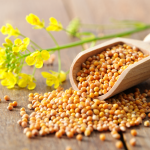
Poppy seeds are tiny edible seeds from the opium poppy plant (Papaver somniferum) prized for their nutritious profile and crunchy texture. Though derived from the same plant used to produce opium, the seeds themselves have no narcotic effect. In fact, these small, kidney-shaped seeds (about 1 mm long) have a faint nutty aroma and mild flavor that’s especially popular in breads and pastries.
Ancient recipes from Europe to the Middle East have used poppy seeds for thousands of years, and today they add flavor and nutrients to everything from bagels to cakes. This guide will cover poppy seeds’ nutritional facts, health benefits, baking uses, oil, and even precautions, providing the latest information and practical tips for cooks and health-conscious readers.
Origins and Characteristics of Poppy Seeds
Poppy seeds are one of the oldest spices, harvested from opium poppies. Archaeologists have found poppy seed capsules in prehistoric dwellings, indicating their use in ancient cuisine. Botanically, the seeds are removed before the seedpod’s sap (which contains opiates) can infuse them, so clean, edible poppy seeds contain no narcotic substances. The seeds range in color from pale ivory to steel blue or black, depending on the variety.
They have a smooth, hard surface and a mild, nutty taste, which makes them a versatile flavoring. For example, Britannica notes that poppy seeds have “a faint nutlike aroma and a mild, nutty taste” that’s especially prized in breads and other baked goods. They are also the source of poppyseed oil, a culinary oil used in salad dressings and cooking.
Nutritional Profile of Poppy Seeds
Poppy seeds pack a potent mix of macronutrients and minerals in a small package. According to USDA data, 100 g of raw poppy seeds contains about 536 calories, with 21.4 g of protein, 39.3 g of fat, 28.6 g of carbohydrates, and 25 g of fiber. The fats are mostly healthy unsaturated oils (particularly linoleic and oleic acid). A typical serving (28 g, roughly 3 tablespoons) provides around 150 calories, with 6 g protein, 11 g fat, 8 g carbohydrates, and 7 g fiber (about 25% of the daily fiber recommendation). Key vitamins and minerals are especially high: per 100 g, poppy seeds deliver approximately 1250 mg calcium, 357 mg magnesium, 9.8 mg iron, and 8.0 mg zinc. Even a small serving yields a significant portion of your daily needs (e.g. 3 Tbsp has ~350 mg Ca, ~100 mg Mg). Notably, poppy seeds contain no cholesterol or sodium.
- Protein: ~21 g per 100 g (about 6 g per 28 g). Protein helps build and repair body tissues.
- Fiber: 25 g per 100 g (≈7 g per 28 g, 25% DV). This high fiber aids digestion and fullness.
- Healthy Fats: 39 g per 100 g (≈11 g per 28 g). Mostly unsaturated fats (oleic, linoleic) support heart and skin health.
- Calcium and Magnesium: 1250 mg Ca and 357 mg Mg per 100 g (350 mg Ca and 100 mg Mg per 28 g). These minerals are vital for bone strength, muscle function, and nerve signaling.
- Iron and Zinc: 9.6 mg Fe and 8.0 mg Zn per 100 g (2.7 mg Fe and 2.25 mg Zn per 28 g), supporting blood health and immune function.
- Other Nutrients: Small amounts of B-vitamins (thiamin, B6, folate) and antioxidants. (They contain virtually no vitamin C or A.)
In short, poppy seeds are nutrient-dense – offering protein, fiber, and a wealth of minerals in each bite. Dietary sources note they are “good sources of protein and dietary fiber, as well as some essential vitamins and minerals, including calcium and magnesium”. The combination of fiber and protein also helps satiety, making them a wholesome addition to meals.
Health Benefits of Poppy Seeds
The vitamins, minerals, fiber, and healthy fats in poppy seeds contribute to several potential health benefits:
- Digestive Health: The high dietary fiber (3 Tbsp ≈ 7 g) promotes regular bowel movements and can help prevent constipation. Fiber also supports a healthy gut microbiome and may modestly lower LDL (“bad”) cholesterol levels.
- Bone and Dental Health: The abundance of calcium supports bone density. A 3 Tbsp serving provides ~35% of the daily calcium requirement. Magnesium also helps regulate bone metabolism and blood pressure.
- Cardiovascular Support: The unsaturated oils (rich in omega-6 linoleic acid) in poppy seeds are linked to heart health. Healthline reports that diets high in unsaturated fats (like poppyseed oil) can reduce heart attack and stroke risk by ~17%. These fats may also promote healthy skin and wound healing when applied topically.
- Blood Sugar and Metabolism: Fiber slows glucose absorption, aiding blood sugar control for people with diabetes. B-vitamins and healthy fats contribute to normal energy metabolism.
- Antioxidant Protection: Poppy seeds contain phytochemicals (polyphenols and flavonoids) that act as antioxidants. These compounds may help protect cells from oxidative damage and chronic disease.
- Additional Benefits: Some sources mention potential fertility benefits. Early studies suggest poppyseed oil products have been used to improve fertility in specific medical contexts, though more research is needed.
Importantly, health experts emphasize that these benefits come from the nutrients in the seeds, not from opioids. In fact, one review stresses that poppy seeds are great sources of protein, fiber, calcium, magnesium, and zinc. (While poppy latex contains sedative opiates, cleaned poppy seeds sold for food do not naturally contain those compounds.) Overall, when consumed in reasonable amounts, poppy seeds can support digestive, bone, and heart health while adding flavor to meals.
Poppy Seeds in Baking and Recipes
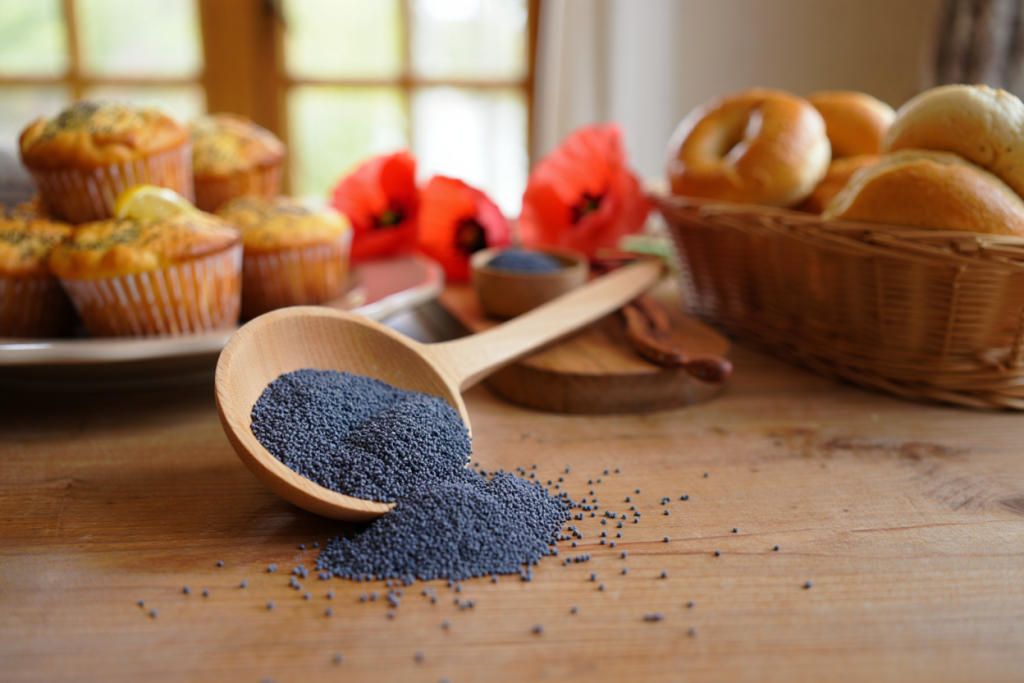
Figure: Fresh lemon poppy seed muffins with glaze – a classic baking use of poppy seeds. Poppy seeds are especially renowned for their use in baking. They add a pleasant crunch and nutty flavor to both sweet and savory dishes. In breads and pastries, poppy seeds create texture and a burst of flavor. They are commonly mixed into batters or doughs or sprinkled on top of loaves, rolls, and bagels. For example, lemon poppy seed cakes and muffins (as shown above) are a popular breakfast treat. Traditional recipes around the world feature poppy seeds: European bakers use them in sweet rolls and cakes (like Polish makowiec poppy-rolls), Central Europeans add them to strudels and hamantaschen, and Middle Eastern cuisines use them in pastries and sauces. You’ll also find poppy seeds in creamy salad dressings (such as a yogurt-poppyseed dressing) and even savory dishes like a poppy-coated crust on fish or chicken. As Medical News Today notes, poppy seeds have been part of Mediterranean and Middle Eastern cooking for millennia.
Popular poppy-seed recipes include:
- Lemon Poppy Seed Muffins or Bread: Moist quick breads flavored with lemon and studded with black poppy seeds.
- Poppy Seed Bagels, Buns, and Bread: Many breads (especially bagels and dinner rolls) are topped with poppy seeds. They provide crunch and a nutty accent.
- Poppy Seed Salad Dressing: A sweet, creamy dressing (often with yogurt or oil) popular in American and Eastern European cuisine.
- Poppy Seed Cakes and Rolls: Filled cakes and pastries from Eastern Europe and Jewish cuisine (e.g. poppy-seed buns, strudels, or cakes like Mohnkuchen).
- Poppy Seed Pastries: Such as Hungarian mákos guba or Indian desserts where the seeds are ground into a sweet filling.
In fact, recipe sites list dozens of poppy seed dishes – from muffins and breads to salad dressings and desserts. Experiment by sprinkling seeds into your favorite doughs or batters, or grinding them into fillings for a rich, nutty flavor.
Figure: A fresh bagel topped with black poppy seeds, illustrating poppy seed use in baked goods. Beyond baking, poppy seeds can be stirred into oatmeal or yogurt, blended into smoothies, or even pressed to make poppyseed oil. Use poppy seeds wherever a nutty crunch is desired.
Poppy Seeds vs. Chia Seeds (and Other Seeds)
Many people wonder how poppy seeds compare to other “superfood” seeds like chia. Both chia and poppy seeds are tiny, nutrient-dense seeds, but they have different strengths. Both are high in protein, fiber, calcium, and iron, but poppy seeds tend to be higher in fat and calories, while chia seeds have more fiber and healthy omega-3s. For example, per 100 g, poppy seeds have about 525 calories versus 486 for chia. Chia seeds contain much more fiber (34.4 g per 100 g, compared to 19.5 g in poppy), which can aid digestion. Conversely, poppy seeds are far richer in calcium (about 1438 mg/100 g vs 631 mg for chia) and higher in iron (9.8 mg vs 7.7 mg), making them excellent for bone and blood health. Chia seeds win on omega-3 fatty acids (they have ~17.8 g ALA per 100 g vs 0.27 g in poppy), while poppy seeds contain more omega-6 linoleic acid.
In short, neither seed is “better” – they complement each other. If you want more fiber and ALA omega-3s, chia is superior; if you want more calcium and a richer taste, poppy seeds shine. For baking, poppy seeds add crunch and flavor that chia does not, so they often appear in recipes where chia is not traditional.
Poppy Seed Oil
Poppy seeds are also pressed for poppyseed oil, a light culinary oil high in unsaturated fats. This golden oil contains largely linoleic (omega-6) and oleic (omega-9) acids. Because it’s rich in these healthy fats, poppyseed oil may have health benefits. Healthline notes that diets high in unsaturated fats (like those in poppyseed oil) can substantially lower heart disease risk. In addition, topical poppyseed oil has been studied for skin health: its fatty acids may support wound healing and help prevent dry, scaly skin. (If you use poppyseed oil, store it cool and dark; it has a moderate smoke point and a mild nutty flavor.)
In cooking, poppyseed oil can be used as a salad or finishing oil, though it’s more specialty than staple. It’s also an ingredient in some dressings and sauces. Nutritionally, note that the oil still contains any trace opioids from the seeds, so reputable sources recommend using only commercially processed oil. Nonetheless, as with the seeds themselves, poppyseed oil in normal food amounts is generally considered safe and may be a healthy addition for its fat profile.
Potential Side Effects of Poppy Seeds
In general, poppy seeds are safe for most people when eaten as food (e.g. in baked goods). However, there are a few considerations and risks to keep in mind:
- Opioid Contamination and Drug Tests: Although poppy seeds contain negligible opiates after cleaning, small amounts of morphine/codeine can remain on the seed surface. If you consume a large quantity, it can sometimes trigger a positive opiate drug test result. For example, Healthline warns that even a handful of seeds can produce detectable morphine in the urine for up to 48 hours. Workplace or legal drug tests sometimes specifically caution against eating poppy seed bagels for this reason.
- Poppy Seed Tea Danger: Some people brew poppy seed tea (soaking unwashed seeds in liquid) for its pain-relieving or sedative effects. This is strongly discouraged. Mayo Clinic cautions that homemade poppy seed tea can be deadly, since unwashed seeds may have high levels of opiates. Drinking large amounts of poppy seed tea has been linked to fatal opioid overdose. In short, only consume poppy seeds that are cleaned and baked in foods – never attempt to “brew” them without medical supervision.
- Recommended Limits: To avoid opioid risk, experts suggest limiting raw poppy seed intake. One guideline is about 1 tablespoon of raw poppy seeds per 7 pounds of body weight. (So a 150 lb person would limit raw seeds to ≈7 tablespoons at once.) Luckily, poppy seeds in baked goods are typically safe because the heating process destroys most residual alkaloids.
- Allergies and Sensitivities: True poppy seed allergy is rare, but individuals with seed allergies (like sesame or mustard) should use caution. Poppy seeds are naturally gluten-free, so they’re safe for celiac or gluten-free diets.
- Caloric Density: Finally, remember poppy seeds are high in calories and fat. A little goes a long way. While their nutrients are beneficial, overeating any high-fat seed can lead to excess calorie intake. As with nuts or other seeds, moderation is key.
By following these guidelines, you can enjoy poppy seeds’ benefits while minimizing any side effects. Properly washed and cooked poppy seeds are generally safe in normal food amounts.
Frequently Asked Questions
- Q: What are poppy seeds and are they safe to eat? Poppy seeds are tiny seeds from the opium poppy plant. They’ve been used in cooking for millennia and do not have narcotic effects. Purchased poppy seeds are cleaned to remove opiates, so they’re safe to eat in food. However, in rare cases eating a very large amount of seeds could show up on a drug test.
- Q: How many calories are in poppy seeds? They are calorie-dense: about 536 calories per 100 g of seeds. A typical 3-tablespoon serving (~28 g) has about 150 calories. Despite the calories, they provide beneficial nutrients (protein, fiber, minerals).
- Q: Are poppy seeds good for health? Yes, when eaten in moderation they’re quite nutritious. They provide protein, fiber, calcium, magnesium, iron, and healthy fats. These nutrients can support bone and heart health and digestion. In fact, poppy seeds give you roughly a quarter of the daily fiber and calcium needs in a small serving.
- Q: Can poppy seeds help you sleep? Popular lore says poppy seeds induce sleep, but this is misleading. Cleaned poppy seeds sold in stores do not contain significant sleep-inducing opioids. Any sedative effect comes from the poppy latex (an opium substance) that is usually washed off the seeds. Therefore, poppy seeds in baked goods won’t actually make you sleepy.
- Q: Will eating poppy seeds show up on a drug test? It can. Because trace opiate compounds can cling to poppy seed surfaces, eating a large quantity (especially raw) might trigger a positive drug screen for morphine/codeine. To be safe, limit your intake before any drug test (for example, avoid heavy poppy-seed foods immediately before a test).
- Q: What are some popular poppy seed recipes? Many. Classic dishes include lemon-poppyseed muffins, poppyseed bagels and bread, and sweet rolls with poppy seed filling. Poppy seed dressings (made with yogurt or oil) are also common. Allrecipes and other sites list dozens of poppy seed recipes, from muffins and cakes to savory salads and mains. Try adding poppy seeds to pancakes, muffins, bagel dough, or homemade crackers for extra flavor.
If you have more questions about using poppy seeds, feel free to comment below!
Conclusion
Poppy seeds are a tiny culinary powerhouse – rich in nutrients yet easy to incorporate into everyday cooking. They provide protein, fiber, calcium, and healthy fats, making them a valuable topping or ingredient for breads, baked goods, salads, and more. Baking with poppy seeds not only enhances flavor and texture, but also adds a nutritional boost. Just remember the precautions: use only cleaned seeds, moderate your intake, and be aware of drug-test considerations.
Whether you’re whipping up lemon poppy muffins, kneading poppy-seed bread dough, or sprinkling seeds on a salad, poppy seeds offer genuine health benefits along with their distinctive crunch and taste. Try experimenting with them in your favorite recipes, and share this guide with friends and family interested in wholesome baking. Do you have a favorite poppy seed recipe or tip? Let us know in the comments below and share this article to spread the poppy seed love!