Flax seeds are tiny edible seeds that pack a surprising nutritional punch. They are rich in fiber, plant protein, and healthy fats especially the omega-3 fatty acid ALA – plus a range of antioxidants and plant compounds. Because of this unique nutrient profile, many nutrition experts consider flax seeds a superfood. Studies show that even one tablespoon of flax seeds delivers about 2–3 g of fiber (roughly 5–8% of daily fiber needs), which can aid digestion and help you feel full (a key factor in weight management). In fact, research indicates that flaxseed’s combination of soluble fiber and mucilage can slow digestion and increase fullness. In this article, we’ll dive into flax seeds’ nutrition, benefits for hair, skin, heart and weight, how they compare to chia seeds, recipes and tips for eating them, and possible side effects.
Figure: A glass jar filled with brown flax seeds (also called linseeds), a tiny superfood rich in fiber and omega-3s. Flax seeds may be small, but they come in two main varieties – brown and golden – and both offer the same impressive nutrients. You can buy them whole or pre-ground, or turn them into oil. Ground flaxseed (often called flaxseed meal) is especially versatile. In the sections below, we’ll break down flax seeds nutrition, explore the many flax seeds benefits, and show you how to add these “tiny seeds with big omega power” into your diet.
What Are Flax Seeds?
Flax seeds (botanical name Linum usitatissimum), also known as linseeds, are small oval seeds about the size of a sesame seed. They have a nutty flavor and come in brown, golden, or reddish-brown varieties. Flax has been cultivated for thousands of years – not only for its edible seeds, but also for the strong fibers (flax fibers) used to make linen fabric. Today, flax seeds are prized in the kitchen and health food stores because of their dense nutrition. Unlike some seeds used mainly for oils, flax seeds are eaten whole (usually ground) or pressed into oil, supplying a balance of fats, fiber, protein and other nutrients in each tiny seed.
Flax Seeds Nutrition
Flax seeds are a nutritional powerhouse. They are roughly 40% fat, 20% protein, and 30% carbohydrate (of which most is fiber). For example, two tablespoons (~20 g) of flax seeds contain about 6 grams of fiber – that’s around 15–25% of the daily fiber intake for most adults. This fiber is a mix of soluble and insoluble types, which helps slow digestion and feed gut bacteria. In fact, Healthline notes that flax’s high soluble fiber (mucilage) becomes gel-like in water, making flax seeds a natural mild laxative that can promote regularity.
Flax seeds are also one of the richest plant-based sources of omega-3 fatty acids. About 73% of the fat in flax seeds is polyunsaturated, largely the omega-3 fatty acid ALA. Only chia seeds have a slightly higher ALA content, making flax an excellent way for vegetarians and vegans to boost omega-3 intake. (Keep in mind that ALA is the plant form of omega-3 and your body must convert it to EPA/DHA, so you may want to eat ground flaxseed or flax oil regularly for best results.) Flax seeds also contain omega-6 fats and a small amount of monounsaturated fat, but their omega-3:omega-6 ratio is very favorable compared to many other nuts and seeds, which may help support heart health.
Beyond fats and fiber, flax seeds provide moderate protein (about 1.9 g per tablespoon) with an amino acid profile rich in arginine and glutamine (beneficial for the immune system and heart). They are also a good source of vitamins and minerals, especially B vitamins and trace minerals. Notably, flax seeds are rich in thiamine (vitamin B1), copper, molybdenum and magnesium – all essential for energy production, nerve and immune function, and bone health. Perhaps most impressively, flax seeds contain exceptionally high levels of lignans (a type of antioxidant and phytoestrogen). They have up to 800 times the lignan content of other plant foods, which has attracted attention for potential cancer-protective effects.
In summary, flax seeds deliver fiber, protein, healthy fats and micronutrients in a tiny package. As Healthline puts it, “Flax seeds are very high in fiber and provide good amounts of protein. They’re also rich in fat and one of the best plant-based sources of heart-healthy omega-3 fatty acids”.
Flax Seeds Benefits
Flax seeds’ unique nutrient mix translates into a wide range of health benefits. Below are some of the key ways flax seeds can support your well-being:
- Heart and cholesterol support. The omega-3 ALA and soluble fiber in flax seeds can help improve cardiovascular health. Studies show that regular flaxseed consumption may lower LDL (“bad”) cholesterol and total cholesterol levels. One review of 31 trials found that flaxseed consistently improved blood lipid profiles in people with high cholesterol. A 2021 clinical trial also reported that consuming about 4 tablespoons (30 g) of ground flaxseed daily led to significant drops in total cholesterol and body weight. By binding bile acids and speeding their excretion, flax’s soluble fiber forces the body to use excess cholesterol to make more bile salts, thus lowering blood cholesterol. Additionally, flaxseed’s omega-3 fats may help reduce inflammation and improve blood vessel function.
- Blood pressure and blood sugar regulation. Flax seeds can also help keep blood pressure and sugar in check. The fiber and plant compounds slow carbohydrate absorption, which can moderate blood sugar spikes after meals. Research reviews indicate that whole flaxseed can stabilize blood sugar and improve insulin sensitivity, likely due to its soluble fiber. This makes flax seeds especially helpful for people with type 2 diabetes or prediabetes. Flax seeds’ omega-3s and fiber also appear to lower blood pressure. In one trial, 30 g/day of ground flaxseed over 12 weeks reduced systolic pressure by about 13 points and diastolic by 6 points. The antihypertensive effect is thought to come from both fiber and anti-inflammatory omega-3 fats.
- Digestive health and regularity. Thanks to their high fiber content (both soluble and insoluble), flax seeds are excellent for digestion and gut health. The soluble fiber (mucilage) forms a gel in the gut, softening stools and promoting regular bowel movements. Meanwhile, the insoluble fiber adds bulk to stools, helping prevent constipation. People with sluggish digestion or constipation often find that adding a spoonful of ground flaxseed each day can improve regularity. The fiber also feeds beneficial gut bacteria, further supporting overall gut health. Just be sure to drink plenty of water with flaxseeds, as too little fluid and suddenly upping fiber intake can cause temporary bloating, gas or loose stools.
- Weight management. By promoting satiety (fullness) and stable blood sugar, flax seeds can be a useful tool for weight loss or weight management. Several studies have linked flaxseed intake with modest weight loss. For example, a 12-week study had participants consume flaxseed hulls twice daily (along with a reduced-calorie diet), and 46–68% of them lost at least 5% of their body weight. In contrast, only 9% of the placebo group saw similar weight loss. The likely reason is that flax’s soluble fiber slows digestion and prolongs feelings of fullness. Sprinkle ground flax in meals and snacks to help curb appetite naturally.
- Cancer risk reduction. Flax seeds are rich in lignans, a type of plant estrogen/antioxidant that has been studied for cancer prevention. Some research suggests flaxseed intake is associated with a lower risk of certain hormone-related cancers, especially breast cancer. A 2018 literature review linked flaxseed consumption to reduced breast cancer risk in postmenopausal women. Animal and lab studies also show protective effects against colon, skin and lung cancers. While more human trials are needed, flax’s lignans and fiber are thought to provide protective benefits. (Note: because lignans have estrogen-like effects, people with hormone-sensitive conditions should consult a doctor.)
- Skin and hair health. The omega-3s, antioxidants and vitamin E in flax seeds can also boost skin and hair. Omega-3s help nourish skin cells and lock in moisture. In one small study, women who took about half a teaspoon (2.5 ml) of flaxseed oil daily experienced a 39% increase in skin hydration after 12 weeks. Their skin was also less rough and sensitive. Omega-3s reduce inflammation and may help with conditions like acne or eczema. For hair, omega-3s and antioxidants support scalp health and hair strength. Preliminary research suggests that diets rich in omega-3s may promote hair growth and reduce hair loss. While more human studies are needed, many people report shinier, softer hair and improvements in scalp issues (like dandruff) when regularly consuming flax or flax oil.
- Other benefits. Flax seeds also supply micronutrients (magnesium, zinc, etc.) and antioxidants that support overall health. Some evidence suggests flax may help with hormone balance (due to its lignans), reduce inflammation, and even protect against UV damage (via omega-3). The broad range of nutrients makes flax seeds a great general “nutrition upgrade” for many diets.
Flax Seeds vs. Chia Seeds
Chia seeds and flax seeds are often mentioned together as “superfood seeds,” but they have some differences. Both chia and flax are rich in fiber, protein and ALA omega-3s, but chia seeds contain more fiber on a per-gram basis, whereas flax seeds provide more antioxidants (lignans) and certain vitamins. A Healthline comparison notes that chia has slightly fewer calories and more fiber (about 10 g vs 8 g per ounce), along with more calcium. Flax seeds tend to have slightly more omega-3 (ALA) and higher thiamine (vitamin B1) and copper. In taste, chia is very mild and gel-like when soaked, while flax seeds have a nuttier flavor. In practice, you can use them similarly (sprinkle on foods or blend in recipes). Many experts favor flax seeds for omega-3s and lignans, and chia for extra fiber and calcium.
How to Eat Flax Seeds (Recipes & Tips)
Getting flax seeds into your diet is easy and versatile. For maximum benefit, it’s best to use ground flax seeds or flaxseed oil. Your body has a hard time breaking whole flax seeds, so grind them (in a coffee grinder or blender) before eating. Here are some simple ways to enjoy flax seeds:
- Stir flaxseed meal into smoothies or oatmeal. Add a spoonful of ground flax to your morning smoothie, yogurt, cereal or oatmeal. The seeds have a mild taste and add thickness.
- Sprinkle on salads or veggies. Drizzle flaxseed oil on salad greens, or sprinkle ground flax on steamed vegetables. It adds a nutty flavor and omega-3 boost.
- Bake with flaxseed. Replace some flour in muffins, breads, pancakes or cookies with flaxseed meal. For example, whole wheat flaxseed muffins or flax pancakes make a healthy breakfast. You can also use flaxseed as an “egg substitute” in vegan baking: mix 1 tablespoon ground flaxseed with 3 tablespoons water, let gel, and use in place of one egg.
- Mix into dips and dressings. Stir ground flax into homemade dips (like guacamole or hummus) and salad dressings. It blends well into sauces and adds nutrition without altering taste much.
- Use flaxseed meal directly. You can buy flaxseed meal (pre-ground flax) and eat it raw – a spoonful or two on its own, mixed into peanut butter, or sprinkled on any dish.
For savory dishes, whole flaxseed can also be toasted in a pan and eaten like a crunchy snack, although grinding yields more benefits. If using flaxseed oil, remember it’s delicate: store flax oil in a dark, cool place and use it unheated, since heat can destroy its omega-3s.
Most experts recommend 1–2 tablespoons (7–14 g) of ground flaxseed per day. This amount was used in many studies and provides significant nutrition without excess fiber. You can gradually increase intake; just be sure to drink extra water to help the fiber do its job.
Flax Seed Recipes: Try adding 2 tablespoons of ground flaxseed to pancake or muffin batter for flaxseed pancakes. Blend flaxseed into your morning smoothie (e.g. banana-flax smoothie). Make flaxseed crackers by mixing flax meal with water and spices, then baking flat. Stir flax into yogurt parfaits, or mix ground flaxseed with minced onion and spices to form flax veggie burger patties. You can even mix flaxseed into ground meats or breading. The possibilities are endless and each bite adds fiber and omega-3 benefits.
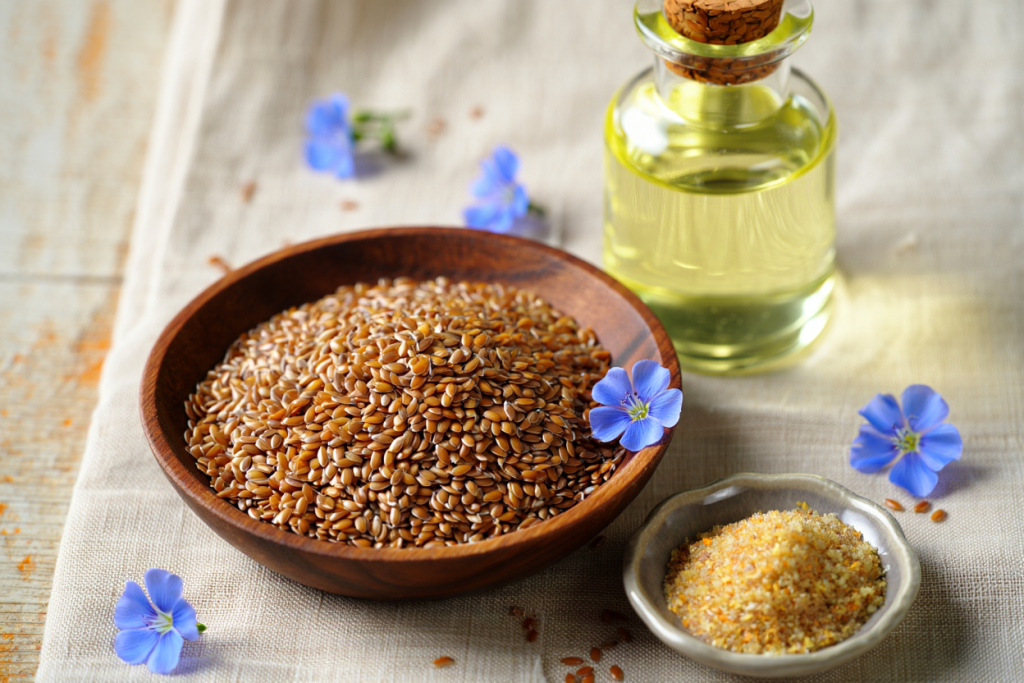
Figure: Flaxseed meal (ground flax seeds) in a bowl, ready to be added to recipes. Ground flax is preferred over whole seeds, as it’s easier to digest and mix into foods.
Flax Seeds Side Effects and Precautions
Flax seeds are safe for most people when consumed in food amounts, but there are a few things to watch for:
- Digestive issues. Because they’re high in fiber, suddenly eating a lot of flax seeds can cause gastrointestinal symptoms (bloating, gas, stomach cramping, loose stools or constipation). To minimize this, increase flax seeds in your diet slowly and always drink plenty of water. If you experience severe bloating or constipation, cut back and consult a doctor.
- Allergic reactions. True flaxseed allergy is rare, but possible. Symptoms (itching, hives, swelling, nausea) can occur in sensitive individuals. If you suspect an allergy, discontinue use and seek medical advice.
- Hormonal effects. Flax seeds are rich in phytoestrogens (lignans) that can mimic estrogen. This is generally beneficial, but individuals with hormone-sensitive conditions (like certain breast cancers or fibroids) or women trying to conceive should be cautious. Flax seeds may act like estrogen, so pregnant or nursing women should consult a healthcare provider before taking large amounts. (Small amounts in food are usually fine.)
- Medication interactions. Flaxseed’s fiber can bind some medications and affect absorption. It can also have a mild blood-thinning effect similar to omega-3s. If you take blood thinners, blood pressure or blood sugar medications, talk to your doctor before using large flaxseed supplements. Generally, take medications a couple of hours apart from flax meal.
- Intestinal blockage. Rarely, eating lots of whole flax seeds without enough fluid can cause intestinal blockages, especially in people with bowel disorders. Again, ground flaxseed and adequate water intake help prevent this.
- Who should avoid flax seeds? People with bowel obstructions, inflammatory bowel disease or esophageal narrowing should avoid flax seeds. Also, discuss with a doctor if you have thyroid disorders, as flax contains goitrogenic compounds (though this is typically only a concern with extreme intake).
In summary, for most healthy adults, 1–2 tablespoons of ground flax per day is well-tolerated. Just start slowly, keep hydrated, and stop use if any adverse symptoms arise. The key is moderation.
FAQs About Flax Seeds
Q: What exactly are flax seeds?
A: Flax seeds (also called linseeds) are tiny edible seeds from the flax plant. They are high in dietary fiber, plant-based protein, and omega-3 fats. Each tablespoon of ground flaxseed provides about 2 g of fiber, along with B vitamins and minerals like magnesium and copper. Flax seeds have a mild, nutty flavor and can be brown or golden. They’ve been used as a health food for centuries due to their nutrient-rich profile.
Q: Are flax seeds good for weight loss?
A: Yes, flax seeds can support weight loss efforts. Their high fiber absorbs water and expands in the stomach, helping you feel full longer and eat fewer calories. The soluble fiber also slows digestion, which stabilizes blood sugar and prevents hunger spikes. In one study, people who added flaxseed hulls to a low-calorie diet lost significantly more weight (often >5% body weight) than those who didn’t. Just remember to eat flax seeds ground and drink water with them for the best effect.
Q: How many flax seeds should I eat per day?
A: Most health experts suggest 1–2 tablespoons of ground flax seeds per day. This amount (about 7–14 grams) provides a healthy dose of fiber and omega-3s without overwhelming your system. Some studies used up to 30 g (about 3 tablespoons) per day with benefits, but it’s best to start with a smaller amount and increase gradually. Too much flax (especially without extra water) can cause digestive upset, so moderation is key.
Q: How should I eat flax seeds – whole, ground, or oil?
A: Ground flax seed is generally best. Your body cannot break down whole flax seeds easily, so they often pass through undigested. Grinding or buying pre-ground flaxseed meal allows you to absorb all the nutrients. Flaxseed oil is another option: it contains the highest amount of ALA omega-3, but it lacks fiber. Use flax oil in cold dishes (salad dressings, drizzled on food) and store it in the fridge or a dark bottle to prevent spoilage. To reap all the benefits, many people sprinkle ground flax meal on cereals, stir it into smoothies, or bake it into breads and muffins.
Q: What’s the difference between flax seeds and chia seeds?
A: Both are nutritious seeds, but there are a few distinctions. Chia seeds have a softer texture and gel up when soaked, while flax has a nuttier taste. Nutritionally, chia seeds are higher in fiber and calcium, whereas flax seeds have more antioxidant lignans and slightly more ALA omega-3. Flax seeds provide more vitamin B1 (thiamine) and copper, while chia offers more calcium and phosphorus. Many people include both in their diet – chia for extra fiber and chia pudding recipes, flax for baking and a higher lignan content.
Q: Can flax seeds improve my skin or hair?
A: Flax seeds can benefit skin and hair health due to their omega-3s and antioxidants. Omega-3 fatty acids help moisturize the skin and protect it from dryness; a small study showed that daily flaxseed oil significantly improved skin hydration and smoothness within 12 weeks. The omega-3s also help reduce inflammation, which may help conditions like acne or eczema. For hair, omega-3s and nutrients like magnesium and vitamin E nourish scalp blood flow and hair follicles. Some research suggests omega-3s may boost hair growth and reduce hair loss. Many people also use homemade flaxseed hair gel (boiled flax water) as a natural conditioner for shine and manageability.
Q: Are there any side effects of eating flax seeds?
A: As mentioned above, the most common issues come from flax’s high fiber. Eating large amounts too quickly can lead to bloating, gas, diarrhea or constipation. An allergy to flax is rare but possible – watch for itching or hives. Because flax has a mild estrogen-like effect, it might affect hormones in high doses, so pregnant or nursing women should check with a doctor. Flax can also interfere with blood clotting in sensitive people and may bind certain medications if taken simultaneously. The good news: virtually all of these “side effects” can be avoided by sticking to a moderate dose (1–2 tbsp ground flax) and drinking plenty of water.
Conclusion
Flax seeds may be tiny, but they certainly pack big omega-3 and fiber power. Incorporating flax seeds (and flaxseed oil) into your diet can boost heart health, help regulate blood sugar, support digestion and even improve your skin and hair. Their rich lignans also offer potential protection against certain cancers. To get the most out of flax, grind the seeds and add them to cereals, smoothies, salads or baked goods. Start with a tablespoon or two per day, and enjoy the benefits of this super seed. As you make flax a regular part of your meals, remember to share this article with friends and leave a comment below – we’d love to hear your favorite flax seed recipes and tips!