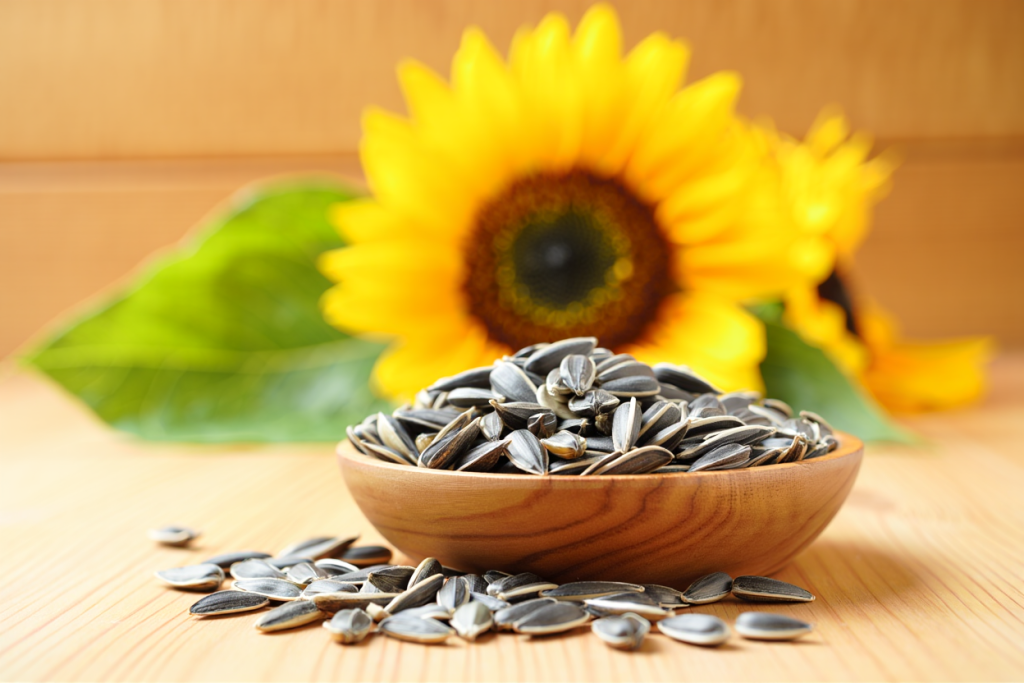
Sunflower seeds are a nutrient-dense snack known for their crunchy, nutty flavor and impressive health profile. These tiny seeds (helianthus annuus kernels) aren’t just a popular addition to trail mix and salads – they’re a powerhouse of nutrition. A single ounce (about 28 g or a small handful) of sunflower seeds delivers roughly 160 calories, 6 g protein, 14 g healthy fats, and 3 g fiber. They’re especially rich in vitamin E (about 50% of the daily value per ounce), magnesium, and zinc. In this article we dive deep into sunflower seeds benefits, covering their nutrition content, health advantages for the heart, hair, skin and more, recipe ideas, side effects, and how they compare to pumpkin seeds.
Sunflower seeds make a tasty, zinc-rich snack that supports immunity and overall health. We’ll explain why a handful of sunflower seeds can be a smart choice for your diet, how to enjoy them in recipes, and what to watch out for.
Nutrition Profile of Sunflower Seeds
Sunflower seeds pack an array of nutrients into a small package. They’re high in calories (from healthy fats) and offer a solid hit of protein and fiber, making them quite filling. For example, a 1-ounce (28 g) serving of dry-roasted, unsalted sunflower seeds provides about 160–165 calories, 5.5–6 g protein, 14–15 g total fat (mostly heart-healthy poly- and mono-unsaturated fats), and 3 g dietary fiber. Here’s a quick look at key nutrients in about 1 ounce (28 g, or roughly 1/4 cup) of shelled sunflower seeds:
- Calories: ~160 kcal
- Protein: ~6 g (a good plant-based protein source)
- Total Fat: ~14–15 g (mostly unsaturated fats, including linoleic acid)
- Fiber: ~3 g (about 10% of daily needs)
- Vitamin E: ~49% of the Daily Value (powerful antioxidant)
- B Vitamins: Niacin (~13% DV), B6 (~13% DV), Folate (~17% DV)
- Minerals: Magnesium (~9% DV), Zinc (~14% DV), Copper (~58% DV), Iron (~6% DV), Selenium (~41% DV), Manganese (~26% DV).
![Sunflower seeds in a bowl and on a wooden spoon, a nutrient-rich crunchy snack]
The nutritional profile of sunflower seeds (per 28g): about 160 kcal, 6g protein, 14g fat (mostly healthy fats), and packed with vitamin E, magnesium, and zinc.
Most of the calories in sunflower seeds come from fat – primarily polyunsaturated (omega-6) and monounsaturated fats. Over 90% of the fat is unsaturated, which can help improve cholesterol levels and support heart health. Despite being high in calories (~570 kcal per 100 g), these fats are the “good” kind. Sunflower seeds are also a good source of plant-based protein (about 20 g protein per 100 g, or roughly 6 g per ounce). The fiber (mostly insoluble fiber) supports digestion and fullness.
The rich micronutrient content is another highlight. Sunflower seeds are one of the best natural sources of vitamin E (alpha-tocopherol), an antioxidant that protects cells from damage by free radicals. A single 1/4-cup serving can supply nearly 90–100% of the daily vitamin E requirement. They also contain substantial amounts of magnesium, selenium, zinc, copper, and B vitamins. For example, 1 ounce contains about 14% of the daily value for zinc and 58% for copper. These minerals play important roles in immune function, energy production, and skin and bone health.
In summary, sunflower seeds are calorie-dense but nutrient-dense, offering a boost of vitamins, minerals, healthy fats, and protein in each crunchy bite. They fit well into snacks or meals where they can contribute healthy nutrients and satisfying texture.
Health Benefits of Sunflower Seeds
Regularly adding sunflower seeds to your diet can deliver a range of health perks, thanks to their nutrient mix and plant compounds. Here are key benefits backed by research and nutrition science:
- Rich in Zinc – Immune Support: Sunflower seeds stand out for their zinc content, providing about 14% of the Daily Value per ounce. Zinc is essential for immune function – it helps white blood cells fight off infections and supports wound healing. In fact, sunflower seeds are considered a “significant source” of zinc, which can help improve immunity and combat infections. (By comparison, a small portion of meat or legumes might be required to match this zinc level.)
- Heart Health and Cholesterol: The unsaturated fats (mostly linoleic acid, an omega-6 fatty acid) in sunflower seeds are beneficial for cardiovascular health. These fats help lower “bad” LDL cholesterol and raise “good” HDL cholesterol when they replace saturated fats in the diet. Research shows that diets high in linoleic acid are linked to lower risk of heart disease. For example, a trial found that women with type 2 diabetes who ate about 1 ounce of sunflower seeds daily had lower LDL cholesterol (9% drop) and triglycerides (12% drop) after just 3 weeks. Another review found that people with the highest intake of linoleic acid (abundant in sunflower seeds) had about a 15% lower risk of heart disease events.
- Blood Pressure Regulation: Several factors in sunflower seeds help relax blood vessels and reduce blood pressure. Magnesium (present in notable amounts) is a natural vasodilator that can lower blood pressure. Sunflower seeds also contain bioactive peptides that inhibit enzymes causing blood vessel constriction. In a small study, adding 1 ounce of sunflower seeds daily to the diet resulted in a significant 5% drop in systolic blood pressure in women with type 2 diabetes.
- Antioxidants & Anti-Inflammation: As mentioned, sunflower seeds are loaded with antioxidants. Vitamin E and selenium work together as potent antioxidant nutrients, protecting cells from oxidative stress (a factor in aging and chronic disease). They also provide phenolic acids and flavonoids, plant compounds with antioxidant activity. One large observational study (over 6,000 people) found that those who ate seeds like sunflower seeds at least five times per week had 32% lower levels of C-reactive protein, an inflammation marker, compared to people who ate no seeds. In short, regular seed consumption (including sunflower seeds) is associated with reduced inflammation and oxidative damage, which can lower risk of heart disease, diabetes and even some cancers.
- Blood Sugar Control: The fiber, protein, and healthy fats in sunflower seeds can help stabilize blood sugar. These nutrients slow digestion and blunt the blood sugar spike after carb-heavy meals. Some studies have observed modest improvements in blood sugar when sunflower seeds are added to the diet (possibly due to compounds like chlorogenic acid and fiber). While more research is needed, current evidence suggests that adding sunflower seeds to whole-grain foods (like bread) can lower post-meal glucose rises. In one analysis, people who ate a mix of 30 g sunflower seeds daily had about a 10% reduction in fasting blood sugar after 6 months. This makes sunflower seeds a smart snack or topping for those watching their glycemic health.
- Nutrient Synergy (Other Perks): Sunflower seeds also supply niacin (B3), iron, and folate, which support metabolism and blood health. Copper in sunflower seeds helps generate energy in cells and plays a role in collagen formation (important for bones and skin). The combination of nutrients in these seeds – including the amino acid tryptophan – can even have mood benefits. Vitamin B6 in sunflower seeds, for example, helps make neurotransmitters that alleviate depression. In short, sunflower seeds contribute to brain, mood, and metabolic health in addition to their more well-known effects.
Benefits for Hair and Skin
Sunflower seeds aren’t just for internal health – they’re also praised for beauty benefits. The high vitamin E and fatty acid content can nourish skin and hair in several ways:
- Hydrating and Anti-Aging: Vitamin E is critical for healthy skin. It protects skin cells from sun and pollution damage (free radicals), which helps prevent premature aging and maintains a youthful appearance. Sunflower seeds’ oils form a moisture barrier on the skin, reducing dryness. Regular intake (or use of sunflower seed oil topically) may result in softer, more hydrated skin. Traditional and modern sources note that sunflower seed extract can hydrate hair shafts and combat dryness or frizz.
- Anti-Inflammatory: The anti-inflammatory nutrients (vitamin E, flavonoids) in sunflower seeds help soothe irritated skin. They may reduce redness and inflammation from acne, eczema or psoriasis. A beauty expert notes sunflower seeds calm irritated skin and can alleviate soreness and redness. This means eating sunflower seeds (or using their oil) could help skin conditions by reducing underlying inflammation.
- Skin Elasticity and Collagen: Sunflower nutrients support skin’s collagen and elastin. Copper and vitamin C (found in small amounts in seeds or also present in diet) help maintain collagen structure. Some experts believe the nutrients in sunflower seeds promote skin’s natural elasticity, leading to firmer, stronger skin over time.
- Hair Health: While scientific studies on sunflower seeds and hair are limited, the nutrients suggest potential benefits. Vitamin E improves blood flow, which can nourish hair follicles. Sunflower oil is a common ingredient in haircare for its moisturizing effect; it helps prevent breakage and adds shine. In general, the protein, zinc and B vitamins in sunflower seeds support hair strength and growth.
Overall, by adding sunflower seeds to your diet (or applying sunflower seed oil topically), you supply your skin and hair with antioxidants, fatty acids, and minerals that promote a natural glow and healthy hair.
Sunflower Seeds vs. Pumpkin Seeds: Nutrient Comparison
Sunflower seeds and pumpkin seeds (pepitas) are both nutrient-rich, but each has its strengths. A recent dietitian comparison notes that sunflower seeds are a bit higher in fiber, while pumpkin seeds pack more protein and minerals. Specifically:
- Fiber: Sunflower seeds contain about 11.1 g fiber per 100 g, whereas pumpkin seeds offer ~6.5 g per 100 g. This means sunflower seeds give more fiber per bite, which helps gut health and satiety.
- Protein: Pumpkin seeds lead in protein – about 29.8 g per 100 g vs 19.3 g in sunflower seeds. If maximizing plant protein is a goal, pumpkin seeds have an edge (nearly 30% protein by weight).
- Magnesium: Here pumpkin seeds shine. They contain roughly 550 mg magnesium per 100 g, far above the ~129 mg in sunflower seeds. Magnesium is vital for bone and muscle health (and lowering blood pressure), so pumpkin seeds are one of the top pantry sources.
- Vitamins & Minerals: Sunflower seeds are one of the best sources of vitamin E and selenium among seeds (both powerful antioxidants). Pumpkin seeds, on the other hand, are exceptionally rich in iron, potassium, and zinc. Each has a unique micronutrient profile.
- Healthy Fats: Both seeds contain healthy unsaturated fats, but the exact ratio varies. Sunflower seeds have more omega-6 (linoleic acid), whereas pumpkin seeds have a bit more omega-3 and omega-6 balance.
- Other Benefits: Some research suggests pumpkin seed consumption may be linked to reduced risk of breast and prostate cancer, while sunflower seeds are noted for helping regulate blood sugar.
The bottom line: Both sunflower and pumpkin seeds offer unique health perks. If you need extra fiber and vitamin E, reach for sunflower seeds. If you want more protein, magnesium, iron, or zinc, pumpkin seeds might be your pick. Dietitians often recommend rotating or mixing seeds to enjoy the “unique health benefits” of each. For example, sprinkle sunflower seeds on a salad for vitamin E and crunch, and toss pumpkin seeds into oatmeal for added protein and minerals.
Culinary Uses: Sunflower Seeds Recipes and Tips
Sunflower seeds are incredibly versatile in the kitchen. Here are some tasty ways to enjoy them:
- Salad and Grain Toppings: Toast sunflower seeds lightly and sprinkle over green salads, grain bowls, or yogurts. They add a satisfying crunch and nutty flavor.
- Baking: Stir them into homemade bread, muffins, or granola bars. Sunflower seeds give extra protein and texture to baked goods. Some people make a gluten-free flour by finely grinding sunflower seeds to use in pancakes or cookies.
- Seed Butter: Blend sunflower seeds in a food processor (adding a little salt or oil as needed) to make sunflower seed butter. This spread is an allergy-friendly alternative to peanut butter and works well on toast or stirred into oatmeal.
- Smoothies: Add a spoonful of raw sunflower seeds into your morning smoothie for extra nutrition. They blend into a creamy consistency and boost protein and minerals.
- Snacks: Make a savory trail mix by combining roasted sunflower seeds with nuts, dried fruit and a bit of dark chocolate. For a spicy snack, toss roasted seeds with chili powder and cumin. Or simply eat them plain from the bag – they’re a classic ballpark snack!
- Pesto and Sauces: Substitute part of the nuts in pesto with sunflower seeds. Their texture works well when blended with basil, garlic, and olive oil.
- Soups and Avocado Toast: Garnish soup (like pumpkin or vegetable soup) with a sprinkle of toasted sunflower seeds. They also make a great topping on avocado toast or hummus for extra crunch.
- DIY Roasting: It’s easy to roast raw sunflower seeds at home. Preheat the oven to 325°F (163°C), toss shelled seeds with a drizzle of olive oil and a pinch of salt, spread on a baking sheet, and roast 15–20 minutes, stirring occasionally. You can also roast them in a pan on the stove over medium heat. Freshly roasted seeds taste nuttier and are perfect for snacking or cooking.
- Sprouted Seeds: Another idea is to sprout sunflower seeds (soak them in water 8–12 hours, then rinse and drain for a day). Sprouted sunflower seeds can be added to salads and sandwiches. Sprouting increases their enzyme activity and can make nutrients more bioavailable.
These ideas only scratch the surface of sunflower seeds recipes. They’re a simple way to boost nutrition in almost any dish. For a quick recipe, try our Sunflower Seed Snack Mix: combine roasted sunflower seeds, chopped nuts, dried cranberries, and a few dark chocolate chips in a bowl. Store in an airtight jar for a healthy grab-and-go snack.
Sunflower Seeds for Weight Loss
Can sunflower seeds help with weight loss? It may seem counterintuitive since they’re calorie-dense (about 160 kcal per ounce). However, their high protein, fiber, and fat content can actually aid in feeling full and satisfied, which may reduce overall calorie intake. In one small study, participants who ate sunflower seeds (in bread made with sunflower seed flour) saw significant reductions in body weight and body mass index over four months. The subjects also experienced lower total and LDL cholesterol. This suggests that incorporating sunflower seeds into meals could support a healthy weight when part of a balanced diet.
That said, moderation is key. Because sunflower seeds are energy-dense, overeating them can easily overshoot calorie goals. Portion control is important – for example, eating them in the shell (such as sunflower seeds from a sunflower seed shell), which requires more effort to consume, can naturally slow you down. Also, watch out for salted or flavored seeds that add extra sodium or unhealthy fats. Opt for unsalted or lightly salted versions.
In summary, in moderation, sunflower seeds can complement a weight-loss diet. Their nutrients help curb appetite and stabilize blood sugar. Just keep portions in check (a serving is about ¼ cup) and account for their calories in your meal plan.
Sunflower Seeds Side Effects and Precautions
While sunflower seeds are generally safe for most people, there are a few potential downsides to note:
- High Calories and Salt: As mentioned, sunflower seeds are high in calories and fat. Eating them indiscriminately can lead to unwanted weight gain. Also, many ready-to-eat sunflower seeds (especially those eaten in the shell) are heavily salted. Excess sodium can raise blood pressure, so check labels or buy unsalted seeds if you’re watching your salt intake.
- Heavy Metals (Cadmium): Sunflower plants can absorb cadmium from the soil. Over time, eating large amounts of sunflower seeds could lead to higher cadmium intake, which is toxic to kidneys in large doses. For perspective, consuming 9 ounces (255 g) of sunflower seeds per week for a year raised cadmium intake significantly in one analysis. To minimize this risk, eat sunflower seeds in moderation and vary your seeds (e.g., include pumpkin, chia, etc.).
- Allergy: Though relatively uncommon, some people are allergic to sunflower seeds. Symptoms can range from mild (itchy mouth or hives) to severe (anaphylaxis). Those allergic to other seeds or to plants in the daisy family (Compositae) may be at higher risk. If you experience itching, swelling, stomach upset or difficulty breathing after eating sunflower seeds, stop consuming them and consult a doctor.
- Digestive Discomfort: The fiber in sunflower seeds (while beneficial) can cause gas, bloating or constipation if eaten in large quantities by someone unaccustomed to high fiber. Drink plenty of water and gradually increase seed intake.
- Rancidity: Sunflower seeds can go rancid because of their high fat content. To keep them fresh, store seeds in a cool, dry place, or refrigerate/freezer to prolong shelf life. Rancid seeds taste bitter and should be discarded.
Overall, the biggest “side effect” is simply eating too many calories or too much salt. Enjoy sunflower seeds as a healthy snack in moderation, and consider them part of a varied diet to get a broad range of nutrients.
Frequently Asked Questions (FAQs)
- Q: Are sunflower seeds good for weight loss?
A: Sunflower seeds can aid weight management due to their fiber, protein, and healthy fats, which promote satiety. They can help reduce appetite and slow digestion. However, they are calorie-dense, so portion control is important. A small handful (about 1/4 cup) as part of a meal or snack is beneficial, but eating large amounts could hinder weight loss. In one study, adding sunflower seed flour to the diet of overweight men led to significant weight and BMI reductions. - Q: Can sunflower seeds improve my skin and hair?
A: Yes. Sunflower seeds are rich in vitamin E and antioxidants, which help protect skin from oxidative damage and may slow aging. Their healthy fats help keep skin hydrated. Anti-inflammatory nutrients in the seeds can calm irritated skin. For hair, the nutrients (like vitamin E, zinc and protein) support scalp health and hair strength, and sunflower seed oil is often used as a hair moisturizer. - Q: How many sunflower seeds should I eat per day?
A: A typical serving is about 1 ounce (28 g), roughly 1/4 cup of hulled seeds. This provides the nutrients without too many calories. For most people, 1–2 servings per day (2–4 tablespoons) is a good target. If you’re snacking, keep it around a small handful. - Q: Are sunflower seeds better than pumpkin seeds?
A: Both are nutritious. Sunflower seeds are higher in fiber and vitamin E, while pumpkin seeds have more protein, magnesium, iron, and zinc. Pumpkin seeds are also lower in omega-6 fats. Many nutritionists recommend rotating both to benefit from each seed’s unique nutrients. - Q: What are easy recipes using sunflower seeds?
A: Try stirring roasted seeds into yogurt with berries, topping a salad with a mix of sunflower and pumpkin seeds, or blending seeds into a basil pesto. You can also sprinkle them on avocado toast or make homemade granola with oats, nuts, and seeds. Sunflower seed butter on whole-grain bread or smoothie adds healthy crunch and nutrition. The possibilities are endless! - Q: Can I eat sunflower seeds if I have an allergy to other seeds or nuts?
A: If you have known allergies (especially to nuts or other seeds like peanuts or tree nuts), be cautious. Sunflower seed allergy can occur, and it may be related to other seed allergies. Consult an allergist if unsure.
Conclusion
In summary, sunflower seeds are a crunchy, zinc-packed snack that offers genuine health benefits. They deliver a hefty dose of vitamin E, healthy fats, protein, and essential minerals like magnesium and zinc. Regularly enjoying sunflower seeds can support heart health (by lowering LDL cholesterol and blood pressure), boost your immune system (thanks to zinc), and even contribute to vibrant skin and hair (through antioxidants and fatty acids).
Sunflower seeds also work well for those on plant-based diets, adding texture and flavor to foods from salads to smoothies. They compare favorably with other seeds like pumpkin seeds, each offering different nutrition highlights. To reap the benefits, eat them unsalted or lightly roasted, and consider adding a sprinkle to your meals or enjoying them as a stand-alone snack.
Remember: even healthy snacks should be enjoyed in moderation. Pay attention to portion size (about a small handful) to avoid extra calories. If you have concerns (like allergies or kidney issues), consult a healthcare provider.
Try adding sunflower seeds to your diet and see how this simple snack can become a nutritious staple. Your heart, immune system, and even hair and skin may thank you!
Did this article help you? Share it on social media or leave a comment below with your favorite way to enjoy sunflower seeds. Your feedback helps us bring more health tips your way!