Achieving a healthy gut is essential for overall wellness, and Seed probiotics have emerged as a promising way to support digestive balance. These synbiotic supplements combine beneficial bacteria with prebiotics to enhance gut function. According to the National Institutes of Health’s NCCIH, many probiotics contain Lactobacillus and Bifidobacterium species – “the same as or similar to microorganisms that naturally live in our bodies”. Seed’s flagship product (DS-01) delivers 24 such strains plus a prebiotic (pomegranate) in one formula. As a subscription-based product (typically $49.99/month), Seed Probiotics are designed for adults seeking natural gut health improvement. In this comprehensive Seed Probiotics review, we’ll explore how Seed works, its benefits, ingredients, dosage, side effects, and how it compares to other probiotics on the market.
Seed’s formula, known as the Daily Synbiotic, targets multiple health areas: digestive health, gut barrier integrity, immune support, skin and cardiovascular health. In fact, Seed promotes this broad approach by pairing 24 probiotic strains with prebiotic compounds like Indian pomegranate (a source of polyphenols). The capsule itself is double-layered (ViaCap™) to protect the microbes from stomach acid. All of Seed’s ingredients are non-GMO, vegan-friendly, and free of major allergens, making them suitable for sensitive diets (even low-FODMAP).
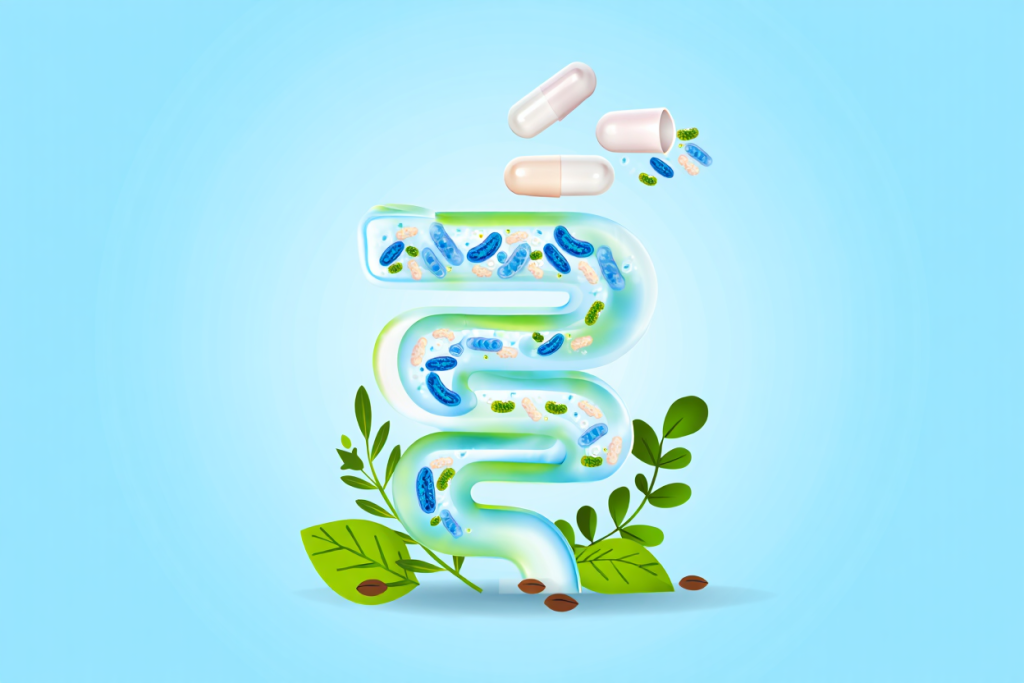
Probiotic capsules spilled from a bottle, illustrating Seed probiotics for gut health.
What Are Seed Probiotics?
Seed Probiotics refers to Seed DS-01 Daily Synbiotic, a science-backed probiotic supplement introduced in 2018. Rather than being a single “strain” pill, it’s a synbiotic – a blend of probiotics and prebiotics. Seed’s product was developed by microbiologists and dietitians to “survive acid, enzymes, moisture, and heat,” ensuring the good bacteria reach your gut. By definition, probiotics are “live microorganisms that are intended to have health benefits when consumed”. Seed includes 24 live bacterial strains (mostly Lactobacillus and Bifidobacterium types) plus a prebiotic fiber from pomegranate. When taken daily, this formula is meant to bolster the body’s own microbiome – the trillions of bacteria and other microbes in our gut and beyond.
Seed Probiotics are sold via a monthly subscription model. A single 30-day supply (60 capsules) costs $49.99, delivered in an eco-friendly glass jar. There’s no long-term contract – customers can pause or cancel anytime. As shown by a Healthline dietitian review, Seed offers a 10% discount on 3-month subscriptions (3 bottles for $135.35). The subscription also includes perks like free US shipping and a travel-friendly vial of capsules. Although more expensive than some generic probiotics, Seed emphasizes ingredient quality: each batch is third-party tested for purity, potency, and absence of contaminants.
How Seed Probiotics Support Gut Health
Seed Probiotics work by replenishing and nurturing beneficial gut bacteria. The product’s 24 strains were chosen to target gut immunity, digestion, gut barrier integrity, and other systems. Many of these strains have documented effects: for example, Lactobacillus rhamnosus (in Seed’s mix) is “effective in managing diarrhea in people with IBS,” and several strains support the gut’s protective lining. Clinical studies outside of Seed have shown similar bacteria help digest food, balance bowel movements, and even produce vitamins. Indeed, a 2023 meta-analysis found that taking probiotics (in general) significantly reduced fasting blood glucose compared to placebo. This illustrates the gut–metabolism connection: by improving digestion, probiotics can indirectly aid nutrient absorption and metabolic health.
Seed’s Daily Synbiotic specifically includes a prebiotic fiber (from pomegranate and organic rice) in addition to live cultures. Prebiotics are “nondigestible food components that selectively stimulate the growth or activity of desirable microorganisms” in the gut. In Seed’s case, the polyphenols in pomegranate act like a gentle prebiotic, feeding the good bacteria without causing gas or discomfort (Seed points out it’s safe even on a low-FODMAP diet). By nourishing beneficial microbes, this synbiotic blend aims to strengthen the microbiome so it can better support digestion, immunity, and nutrient uptake. In short, Seed Probiotics are designed to create an optimal environment for healthy gut bacteria and, in turn, a healthier you.
Seed Probiotics Benefits
Customers choose Seed Probiotics for several potential health benefits. Because gut microbes influence far more than just the stomach, Seed’s formulation is intended to support multiple body systems. Key benefits include:
- Improved digestive regularity: The beneficial strains in Seed (e.g. L. rhamnosus, B. lactis) can help normalize bowel movements and relieve bloating or constipation. In one review, users with IBS reported noticeable relief: bloating reduced in about 4–5 days for one tester, and another saw less cramping after about a week. This aligns with clinical findings that certain Lactobacillus strains ease diarrhea and IBS symptoms.
- Enhanced nutrient absorption: By balancing gut flora, probiotics can aid in breaking down food and absorbing nutrients. As one source notes, “Seed probiotics contribute to improved gut health, digestion and nutrient absorption”. A healthier gut lining means your body can extract vitamins and minerals more efficiently from the diet.
- Gut immune support: A large portion of the immune system resides in the gut. Seed’s formula includes strains linked to stronger gut barrier integrity and immune function. Healthline’s expert review mentions that some strains in DS-01 may help reinforce the gut’s protective lining, which is a key component of immune defense. Over time, a balanced microbiome can lead to fewer digestive infections and a more resilient immune response.
- Skin and dermatological health: Emerging research connects the gut-skin axis – the idea that gut flora can affect skin conditions. Seed includes Bifidobacterium longum and Ligilactobacillus salivarius, which studies suggest may help with atopic dermatitis and promote even skin tone. In other words, better gut health from Seed might translate to clearer, healthier skin in the long run.
- Cardiovascular support: Seed’s Daily Synbiotic contains strains like Lactiplantibacillus plantarum and Bifidobacterium lactis, which have been associated with heart health benefits. Research shows these probiotics can potentially help lower blood pressure, cholesterol, and triglycerides. While Seed DS-01 is not marketed as a heart medication, these added strains could contribute to overall wellness.
- Overall systemic health: The product summary notes that DS-01 is formulated to support “gut, skin, heart, and immune health”. In practice, users often report general improvements such as increased energy or reduced food sensitivities. (One report even said bloating “disappeared” within days!) Importantly, probiotics work in concert with diet and lifestyle – Seed’s founders emphasize that no supplement replaces a healthy lifestyle, but Seed aims to complement your daily routine.
Quick Facts:
- The global probiotics market is booming – expected to exceed $130 billion by 2026 (and grow to $429B by 2035) – driven largely by gut health awareness. Seed is part of this trend.
- Your body hosts about 30 trillion human cells and 38 trillion bacteria on average. Probiotics like Seed simply add to this community, steering it in a healthier direction.
Key Ingredients in Seed Probiotics
Seed DS-01’s label lists 24 probiotic strains plus prebiotic ingredients. Rather than including just one or two bacteria, Seed’s blend covers several functions:
- Probiotic strains (24 total): These include Lactobacillus plantarum, L. rhamnosus, L. casei, L. salivarius (and others), as well as Bifidobacterium species like B. longum, B. lactis, B. breve, B. infantis, etc. (Exact strain names are proprietary.) All belong to the common probiotic genera; NCCIH notes these genera are the most frequently used in supplements. Research on these species underpins many of Seed’s claims (see “Benefits” above).
- Active Fluorescent Units (AFUs): Seed measures potency in AFUs, not CFUs (colony-forming units). AFUs count all viable cells, even those that don’t culture on plates. The DS-01 daily serving provides ~56.3 billion AFUs of combined probiotics. This high potency means you’re getting a large dose of live cells.
- Prebiotic Indian Pomegranate: Unique to Seed, Indian pomegranate extract provides a fiber rich in polyphenols. These polyphenols act similarly to prebiotics – they selectively feed the good bacteria in your gut. This ingredient is non-fermenting (low-FODMAP friendly), so it’s gentle even on sensitive stomachs. As Seed explains, gut bacteria can break down polyphenols for energy, which helps sustain the probiotic strains.
- Acid-Resistant Capsule (ViaCap™): Each Seed capsule is double-walled and vegan. The outer shell and inner capsule are formulated to resist stomach acid. This patented delivery system (ViaCap™) is designed so more live bacteria survive to reach the intestines. A 2021 study (seed-funded) found ViaCap effective at protecting probiotics in acidic conditions.
- Other Ingredients: Seed DS-01 uses clean ingredients like organic rice fiber and rice extract blends. The formula is free from gluten, dairy, soy, nuts, and major allergens. It’s also Non-GMO Project verified and suitable for vegans and vegetarians.
In summary, Seed’s ingredient list emphasizes variety and stability: 24 well-studied strains, a gentle prebiotic, and a protective capsule. This distinguishes it from one-strain probiotics or formulas that rely solely on additives.
Seed Probiotics vs Other Probiotics
Seed Probiotics differentiate themselves in several key ways:
- AFU vs CFU potency: Most probiotic supplements list CFUs. Seed’s marketing highlights AFUs (Active Fluorescent Units), arguing this better reflects live cell count. While CFU counts viable cells that grow on culture media, AFUs count all live cells (even if they don’t grow on plates). In practice, this means Seed claims 56B AFU vs a similar CFU count – arguably a stronger measure of live bacteria.
- Multi-strain formulation: Seed DS-01 delivers 24 strains (56B AFUs) in each daily dose. Many standard probiotics might offer only a handful of strains (often 3–12). Having more strains can mean broader effects, as different bacteria target different needs (digestive, skin, heart, etc. as Seed lists). For example, Seed includes strains for dermatological health and micronutrient synthesis, which are rare in generic probiotics.
- Synbiotic combo: Seed combines probiotic and prebiotic in one formula. Some supplements force you to take a separate prebiotic fiber. Here, the included prebiotic (pomegranate extract) is matched to the probiotic for synergistic effect. This prebiotic choice (non-GMO, low-FODMAP) is also unique – few competitors highlight low-FODMAP design.
- Delivery technology: ViaCap™ is a standout. While enteric-coated capsules exist, Seed’s two-part system (inner and outer capsule) is proprietary. A study showed ViaCap protected bacteria at low pH. Other brands may not invest in such tech, so their probiotics can die in the stomach.
- Quality & Testing: Seed emphasizes rigorous third-party testing. As Healthline notes, DS-01 is tested for pesticides, allergens, heavy metals, and label potency. Some cheaper brands might not fully verify purity or strain count. Seed’s glass jar and eco-packaging also reflect a premium positioning (Target carries it with prominent shelving to highlight “optimal gut health”).
- Subscription Model: Unlike one-time supplements, Seed Probiotics is primarily sold via subscription. This ensures consistent use (which is important for probiotics) but is less flexible than a retail purchase. Seed’s subscription is cancel-anytime and comes with convenience (auto-refill, discounts on 3-month plans). Some consumers prefer this model; others may find it costlier.
In summary, Seed vs other probiotics often comes down to quality vs price. Seed’s scientific approach (AFUs, multiple strains, tech) and focus on transparency set it apart from basic probiotic pills. However, those features come at a higher price and via subscription. We’ll address cost later, but it’s important to weigh Seed’s benefits against your budget.
Seed Probiotics Dosage and Usage
The recommended usage for Seed DS-01 is straightforward. Daily dose: 2 capsules per day, taken with a meal. Each capsule contains half the daily amount of strains, so two capsules = full serving. To minimize side effects, Seed suggests a graduated approach: take 1 capsule per day for the first 3 days, then increase to 2 capsules from day 4 onward. This “ramp-up” allows your gut to adjust to the new bacteria.
As described by Healthline’s review, one user’s trial followed that protocol with no issue: starting at 1 capsule then moving to 2. Most people can maintain 2 capsules indefinitely as a maintenance dose. You can take them anytime, but consistency is key – taking them with breakfast or dinner each day is common practice. Unlike some probiotics, DS-01 capsules are shelf-stable (no refrigeration needed) due to the ViaCap technology, so you don’t have to worry about keeping them cold.
Children and Specialized Use: Seed also offers a pediatric formula (PDS-01) and a vaginal synbiotic (VS-01) for women’s vaginal health. DS-01, however, is intended for healthy adults 18+. Pregnant or breastfeeding individuals should consult a doctor before starting any new supplement. Likewise, people with severe immune issues (e.g. on chemotherapy) should use probiotics only under medical advice. For most healthy adults, though, 2 capsules of Seed DS-01 daily (after the initial ramp-up) is the standard regimen.
Potential Side Effects of Seed Probiotics
Seed DS-01 is generally well-tolerated, but like all probiotics, some mild side effects can occur as your gut adjusts. Common temporary symptoms include bloating, gas, mild nausea, or changes in stool consistency. These usually resolve within a few days or a week. In fact, Seed’s website explicitly notes such GI discomfort as a possibility in the first week of use. The half-dose ramp-up (1 capsule first 3 days) is meant to reduce these effects.
More serious issues are rare. However, NCCIH warns that probiotics (in general) have been linked to infections in immunocompromised infants or those in hospital. For this reason, Seed and experts advise that anyone with a severely weakened immune system or serious health condition speak to a doctor first. There have been FDA cautions about probiotic use in premature infants, but for most healthy adults, probiotics are considered safe.
In summary, expect possibly a few days of minor digestive changes when starting Seed. Stay hydrated and follow the dosing guide (1 capsule initially). If side effects persist or worsen, discontinue use and consult a healthcare provider. Otherwise, most users adapt quickly. And remember, no supplement is risk-free – always consult your doctor for personalized advice.
Comparing Seed Probiotics with Alternatives
If you’re shopping for probiotics, you might wonder how Seed stacks up against similar products. Here’s a quick comparison with some popular options:
- Coverage: Seed DS-01 has 24 strains (56.3B AFU). For comparison, some leading competitors (e.g. MindbodyGreen’s Advanced Probiotic+) offer around 20 strains and similar CFU counts. Many supermarket probiotics have far fewer strains (often under 10).
- Delivery: Seed uses its patented ViaCap™ capsule. Others may use gelatin capsules or standard tablets. Some brands (like Ritual) use delayed-release tech, but few specify proven acid-proof layering like ViaCap.
- Purity: Seed emphasizes allergen- and contaminant-testing. Some competitors similarly test, while cheaper brands might not guarantee non-GMO or allergen-free status.
- Subscription vs Retail: Unlike Nutriblends or Garden of Life (sold in stores), Seed is online-subscription only (though a 30-day starter can be bought on Amazon or Target, still at $50). This means you subscribe for auto-delivery, whereas retail probiotics can be one-time purchases.
- Value: Seed is pricier upfront. Yet, customers argue the potency and research-backed approach justify the cost. MindbodyGreen’s product, for instance, was $80 for 60 capsules – more expensive per dose. The market is evolving; brands like Ritual and Care/of offer high-end probiotics at comparable prices, often emphasizing ingredients cleanly. Seed’s unique selling points are its strain diversity, testing, and innovation.
In essence, Seed Probiotics vs Other Probiotics depends on what you value. If you want a broad-spectrum, science-driven, multiple-strain synbiotic and don’t mind a subscription, Seed may be worth it. If budget or flexibility is a bigger concern, you might compare more brands. Remember, probiotic supplements vary widely in strain mix and viability – always check labels and reviews.
Seed Probiotics for Women
While Seed DS-01 is formulated for all adults (men and women), women may have specific needs. Notably, Seed offers a separate VS-01 Daily Synbiotic for vaginal microbiome health. VS-01 comes as a vaginal suppository (with strains chosen for vaginal flora). If your focus is gut health, DS-01 is suitable for both genders. In fact, many of Seed’s claims – like improved digestion, immunity, or skin – apply equally.
One caveat: if you’re pregnant or nursing, data is limited. Seed’s own guidance advises pregnant/breastfeeding individuals to consult a doctor before using DS-01. This is common for supplements, as hormonal changes can shift gut flora. For general women’s health, DS-01’s “for adults 18+” target includes women (Seed’s marketing often features women in its materials). But always talk to your OB/GYN if unsure.
For women concerned about monthly cycle symptoms or vaginal health, consider this: a 2022 study (Seed funded) is actually researching how DS-01 affects menstrual-related symptoms. Additionally, Seed has a dedicated vaginal probiotic (VS-01) that can be used alongside or after DS-01 for urinary/vaginal health.
Quick note on “Seed Probiotics for Women”: Some online sources list “Seed probiotics for women” as a search term, but Seed’s stance is that DS-01 suits everyone. The “for women” moniker mainly points to their VS-01 product. In any case, women looking for gut support can use DS-01, but they should be aware of the pregnancy/breastfeeding advisory.
How Long Until I See Results?
A common question: When will I feel better? According to Seed, some people may notice digestive relief within 48 hours of starting the supplement. This includes reductions in bloating or discomfort as the gut begins to rebalance. Indeed, customer testimonials often report feeling less gassy or more regular within a few days. However, the company and experts both caution that wider benefits take time. Healthline’s review notes, “more widespread benefits, such as clearer skin, improved immunity, and boosted heart health, may take a few months to appear”.
In practice, give Seed at least 4–12 weeks of consistent use to evaluate its full effect. This aligns with general probiotic guidelines: it often takes multiple weeks for new strains to colonize and affect the gut ecosystem. During this period, you may want to track specific changes (e.g., stool consistency, bloating frequency, skin condition) to gauge progress. Since everyone’s microbiome is unique, some users may respond faster or slower.
Remember, because Seed is a subscription service, many users commit for at least 3–6 months. This allows the gut ecosystem to adapt and for you to see longer-term changes. As noted earlier, the strains in Seed are evidence-backed for issues like IBS and metabolic health, but human studies on DS-01 itself are still in progress. So patience and regular use are key. If after 3 months you notice no benefit, consult a healthcare provider to reassess.
FAQs about Seed Probiotics
Q: What are Seed Probiotics?
A: Seed Probiotics refers to Seed’s DS-01 Daily Synbiotic supplement. It’s a high-potency probiotic+prebiotic blend containing 24 bacterial strains and added prebiotic fiber (pomegranate). It is designed for adults (18+) and is taken daily to support gut health naturally.
Q: What are the benefits of Seed Probiotics?
A: Seed Probiotics support a balanced gut microbiome, which can improve digestion, regularity, and nutrient absorption. Additional benefits may include enhanced immune function and even benefits for skin and heart health, due to specific strains in the formula. Many users report reduced bloating and better digestion within days. Seed also claims broad support for gut barrier integrity and overall systemic wellness.
Q: How do Seed Probiotics work?
A: The probiotics (live bacteria) in DS-01 help crowd out harmful microbes and produce beneficial substances (like short-chain fatty acids) that nourish your gut lining. The prebiotic components feed these good bacteria. Over time, this fosters a healthy microbial environment. As NCCIH notes, good bacteria “help digest food, destroy disease-causing cells, or produce vitamins”. Seed’s specific delivery (acid-resistant capsule, multi-strain mix) aims to ensure these microbes reach the colon alive.
Q: How are Seed Probiotics different from other probiotics?
A: Key differences are AFU potency, strain diversity, and delivery tech. Seed counts AFUs (all live cells), includes 24 research-backed strains, and uses a patented capsule to survive stomach acid. Many products use simpler CFU counts, fewer strains, or no special coating. Seed also tests each batch for purity and comes via auto-delivery subscription. These features often come at a higher price, but also potentially higher quality.
Q: What ingredients are in Seed Probiotics?
A: Besides the 24 probiotic strains, Seed DS-01 contains Indian pomegranate (a polyphenol prebiotic), organic rice fiber and extract, and plant-based capsule materials. It has no dairy, gluten, soy, nuts, or artificial additives. The two-layer capsule (ViaCap™) is acid-resistant. All probiotic strains fall under Lactobacillus and Bifidobacterium genera, which science has shown to be generally beneficial.
Q: Are there side effects?
A: Some users experience mild digestive effects when starting Seed. Common ones include temporary bloating, gas, nausea, or changes in stool frequency. These usually fade after the first week. To minimize discomfort, begin with 1 capsule/day for 3 days, then switch to 2/day. Severe side effects are rare. Probiotics have rarely caused infections in seriously ill or immunocompromised patients, so if you have health concerns you should consult a doctor before taking Seed.
Q: How do I take Seed Probiotics (dosage)?
A: The standard recommendation is 2 capsules daily (one capsule contains half the dose of strains). To start, take 1 capsule per day with a meal for the first 3 days, then increase to 2 per day on day 4. Take them consistently (e.g. morning or evening with breakfast). No refrigeration is needed. It’s safe to take long-term as part of your daily routine.
Q: What is the subscription model?
A: Seed is sold via subscription. Your credit card is automatically charged monthly (or for longer supply plans). A one-month supply is $49.99 (60 capsules). If you order 3 months at once, it’s $135.35 (about $45/bottle, a 10% savings). Shipping in the US is free. You can pause or cancel anytime through your Seed account. Many find the subscription convenient (no reordering), but some prefer to manage shipments manually.
Q: How soon will I see results?
A: Initial digestive benefits may appear within 1–2 days of starting Seed. Many users notice reduced gas/bloating or more regular stools within a week. However, broader benefits (improved skin clarity, immune support, etc.) typically take longer. Seed notes that widespread benefits may require a few months of consistent use. For best results, try Seed for at least 1–3 months and track changes in symptoms over that time.
Q: Can women use Seed Probiotics?
A: Yes, Seed DS-01 is formulated for all healthy adults, including women. It is not gender-specific. Women who are pregnant or nursing should consult a physician before use (Seed explicitly advises this). For women interested in vaginal health, Seed also sells VS-01 Vaginal Synbiotic suppositories. But DS-01 itself can support women’s gut and overall health just as well as men’s.
Summary and Next Steps
In conclusion, Seed Probiotics (DS-01 Daily Synbiotic) is a premium supplement aimed at improving gut health naturally. It packs a diverse array of probiotic strains (56 billion AFUs) and added prebiotic fiber into one formula. Seed’s approach – using AFUs, ViaCap capsules, and third-party testing – is designed for maximum efficacy and safety. Clinical evidence suggests the included strains can benefit digestion, immunity, skin, and even heart health.
At $49.99 per month, Seed is not the cheapest probiotic on the shelf, but it does justify the cost with quality ingredients and science-backed formulation. If you struggle with regularity, frequent bloating, or want to proactively support your gut, Seed may be worth the investment. Remember to start slowly, monitor any reactions, and consider keeping the subscription for at least 2–3 months to judge its full effects.
Disclaimer: Always talk to a healthcare professional before starting any new supplement, especially if you have medical conditions or are on medication. Probiotics are generally safe for healthy adults, but individual needs vary.
👉 Enjoyed this guide? Share it on social media to help friends learn about natural gut health solutions! Have you tried Seed Probiotics? Drop your experiences or questions in the comments below – we’d love to hear from you.