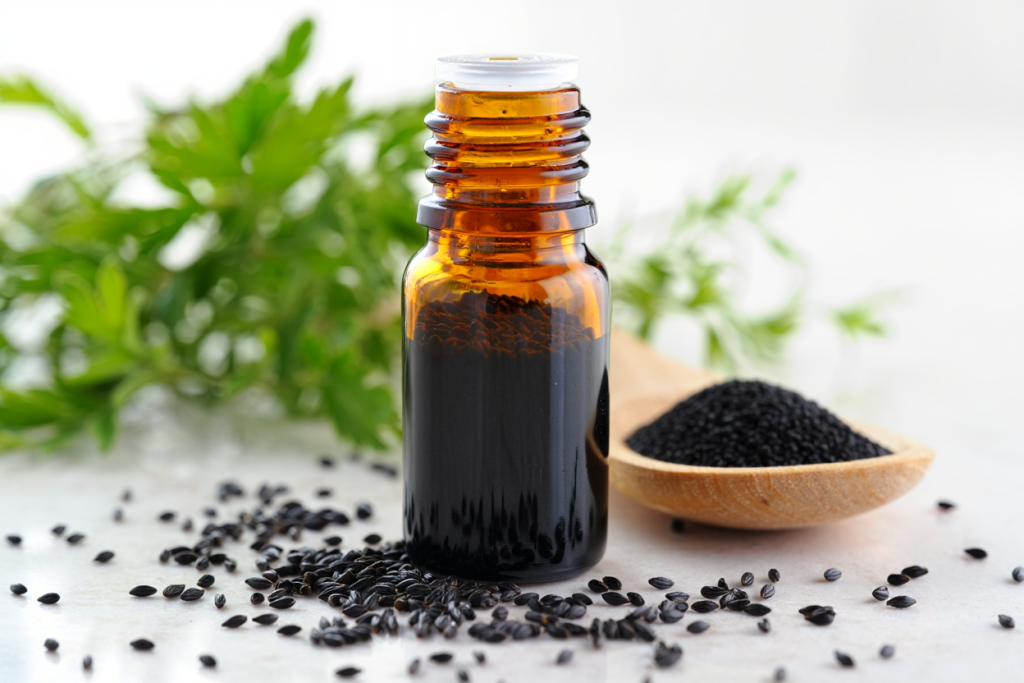
Black seed oil (from Nigella sativa, also called black cumin or black caraway oil) has been prized for centuries as a natural remedy. It’s a rich source of antioxidants and bioactive compounds, especially thymoquinone. Traditional medicine systems from Ayurveda to Unani have used these tiny black seeds for heart, immune, and digestive health. Modern research now confirms many of these claims. In fact, a 2020 Healthline review notes that preliminary evidence supports its medicinal properties due to the oil’s “high content of antioxidants and other bioactive compounds”. Banner Health experts explain that thymoquinone gives black seed oil potent antioxidant, anti-inflammatory, and antimicrobial effects. Taken together, black seed oil benefits range from clearer skin and stronger hair to better lung function and blood sugar control. Below, we explore the science-backed benefits of black seed oil in detail.
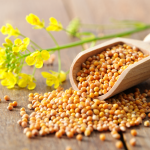
Figure: Nigella sativa (black seed) in a bowl. The oil extracted from these seeds is rich in thymoquinone and fatty acids.
What Is Black Seed Oil?
Black seed oil is obtained by cold-pressing the seeds of the Nigella sativa plant. These seeds have been used in traditional medicine for thousands of years. The oil contains essential fatty acids (such as omega-6 and omega-9), amino acids, and vitamins (A, B, C) as well as minerals (calcium, iron, potassium). Its most potent ingredient is thymoquinone, a compound with powerful antioxidant properties. This blend of nutrients helps explain why black seed oil has such wide-ranging health effects. It is often called a “seed of blessing” because it seems to gently support the body’s natural healing processes without disturbing the system’s balance.
Skin & Beauty Benefits
- Acne and blemish control. Black seed oil’s antibacterial and anti-inflammatory properties can improve oily or acne-prone skin. A 2020 clinical trial showed that using a topical black seed oil gel twice daily for 60 days reduced acne severity by 78%. Researchers attributed this dramatic effect to the oil’s ability to kill acne-causing bacteria and calm inflammation. In practice, many people use a few drops of black seed oil (or skincare products containing it) to soothe pimples and improve complexion.
- Eczema, psoriasis, and vitiligo. Compounds in black seed oil also benefit other skin conditions. Studies report that Nigella sativa extract can reduce redness and scaling in eczema and psoriasis, thanks to its anti-inflammatory action. One 2019 trial in vitiligo patients found that applying a cream with black seed oil twice a day significantly improved skin pigmentation after six months. This suggests it may help redistribute melanin in the skin and lighten vitiligo patches.
- Wound healing and scar reduction. The antioxidant thymoquinone in black seed oil stimulates tissue growth and collagen production. Animal studies have found that applying black seed oil to burns and cuts accelerates healing and reduces scarring. It likely does this by both moisturizing the skin and fighting off infection, thanks to its antibacterial effects. For minor cuts or irritations, a drop of oil (or a salve containing it) may promote faster recovery.
- Hair growth and scalp health. Black seed oil’s benefits for hair stem from its nutrients and anti-inflammatory action. It’s often added to shampoos and hair masks to improve strength and shine. In a 2020 review, a lotion made from Nigella sativa extract increased hair density and thickness in people with hair loss over three months. Another study found that among various seed oils, black seed oil was the most effective at slowing hair fall. The oil’s antimicrobial and antioxidant properties may also help scalp health, reducing dandruff or irritation. Anecdotally, massaging a few drops of black seed oil into the scalp is reported to strengthen hair follicles over time.
Respiratory & Allergy Benefits
- Asthma relief. Black seed oil is known for its ability to open the airways and reduce lung inflammation. In a 2019 clinical trial, people with asthma who took 500 mg of black seed oil twice daily for four weeks showed significant improvement in their Asthma Control Test scores. In practice, this means less wheezing and easier breathing. A 2021 meta-analysis of randomized trials also confirmed that black seed supplements can help manage asthma symptoms, thanks to the oil’s anti-inflammatory effect on bronchial tissues. While not a replacement for inhalers, black seed oil may serve as a useful complementary therapy for asthma.
- Chronic Obstructive Pulmonary Disease (COPD). Similar benefits extend to COPD. One small trial gave COPD patients a 1-gram capsule of pure cold-pressed black seed oil twice daily for three months. The results showed improved pulmonary function tests in the treatment group. Researchers believe the thymoquinone helps reduce chronic lung inflammation that’s characteristic of COPD. Again, conventional therapies remain primary, but black seed oil could offer added respiratory support.
- Allergy and hay fever relief. Black seed oil can also soothe allergic rhinitis (hay fever). In one small study, applying black seed oil topically (nasally or on the skin) reduced allergy symptoms in 92% of participants. It’s especially helpful for mild symptoms like sneezing, runny nose, and watery, itchy eyes. Its anti-inflammatory action calms the immune response to pollen or dust, leading to relief. Banner Health notes that people with seasonal allergies may find black seed oil useful to “open airways and reduce inflammation”.
Immune System Support & Inflammation
- Anti-inflammatory power. Chronic inflammation underlies many diseases, from arthritis to heart disease. Black seed oil is extremely anti-inflammatory, making it a key “secret remedy.” Studies have repeatedly shown it inhibits inflammatory pathways in the body. For example, thymoquinone in the oil reduces levels of pro-inflammatory cytokines. This broad anti-inflammatory action can benefit multiple systems. As Healthline summarizes, inflammation contributes to conditions like type 2 diabetes, heart disease, and even cancer, so black seed oil’s ability to quell inflammation may help prevent or slow these diseases.
- Autoimmune modulation. Because of its calming effect on inflammation, black seed oil may help in autoimmune conditions. Banner Health experts explain that it can “calm the immune system” when it’s overactive. This means it may ease symptoms of diseases like lupus or multiple sclerosis, where the body’s immune cells attack healthy tissues. While more studies are needed, some patients report reduced flare-ups and joint pain when using black seed oil regularly (often as a supplement). A small 2018 trial even found that black seed oil improved rheumatoid arthritis symptoms in patients when added to standard treatment, likely due to reduced joint inflammation.
- Immune health. In general, black seed oil provides antioxidant nutrients that support immune resilience. It’s rich in vitamin C and zinc, both essential for white blood cell function. By fighting oxidative stress (the damage done by free radicals), the oil helps maintain a healthy immune response. Nigella sativa has even shown promise against certain viruses and infections in lab studies. For example, animal studies suggest black seed oil helped protect mice from viral illnesses. While we don’t have strong human trials on infection resistance yet, many supplement makers market black seed oil as an “immune booster.” It’s not a substitute for vaccines or medicine, but as part of a healthy diet it may strengthen overall immune function.
Digestive Health
- Supports digestion and gut comfort. Black seed oil soothes the digestive tract and can relieve symptoms of gut inflammation. It relaxes smooth muscle and reduces cramps. Banner Health notes that it can “soothe the stomach lining, reduce discomfort and improve digestion,” making it useful for issues like bloating and indigestion.
- Irritable Bowel Syndrome (IBS). There’s also evidence it helps with IBS, especially IBS-D (diarrhea-predominant). Black seed oil’s anti-spasmodic effects can reduce intestinal cramping and diarrhea. In fact, limited studies report that people with IBS who took black seed oil experienced significant symptom improvement after six weeks (Bergner et al. in GQ). Given its gentle action, some people use a teaspoon of oil with meals to calm stomach upset. (However, note that in chronic functional dyspepsia or severe IBS, it’s best to consult a doctor first.)
- Gut microbiome. By reducing inflammation and killing harmful bacteria, black seed oil may support a healthier gut flora. Although human studies are few, animal research shows black seed extract can help balance gut bacteria. Healthy microbes improve nutrient absorption and immunity. In short, black seed oil benefits for digestion include relieving heartburn, gas, and mild stomach aches, and potentially improving microbiome balance.
Metabolic Health: Weight, Blood Sugar & Heart
- Weight management and metabolism. Some evidence suggests black seed oil aids modest weight loss. A 2021 clinical trial of overweight women found that taking 2 grams of black seed oil daily for 8 weeks led to significant reductions in appetite, BMI, waist size, and body fat percentage. This may be due to improved insulin sensitivity and appetite regulation. Another review noted that people taking black seed supplements lost slightly more weight on average than those on placebo. However, experts caution black seed oil is not a magic bullet: lifestyle and diet remain the main drivers of weight loss. Still, incorporating the oil (a few teaspoons per day) may give a small metabolic boost when paired with a healthy diet.
- Blood sugar and diabetes. Black seed oil has a long history of use in diabetes management, especially in regions like Jordan and Morocco. Modern research supports this: a 2019 systematic review found that taking Nigella sativa significantly improved blood sugar markers, including insulin levels and fasting glucose. In other words, black seed oil helps the body regulate blood sugar better. This makes it a potential adjunct for type 2 diabetes care. Banner Health echoes this, noting that studies “have found that it can lower blood sugar,” which is important for preventing diabetes complications. Again, it’s not a replacement for diabetes medications, but it may complement diet and exercise to stabilize glucose levels.
- Cholesterol and blood pressure. Black seed oil’s anti-inflammatory and antioxidant effects also translate to heart health benefits. Small studies have shown modest improvements in cholesterol profiles. For example, one trial reported that two teaspoons of black seed oil daily for six weeks significantly lowered total and LDL cholesterol. Another study found black seed supplements could slightly reduce blood pressure over several weeks. These effects likely stem from thymoquinone’s ability to reduce oxidative stress in blood vessels. However, clinicians emphasize that these changes are mild, and proven heart-healthy lifestyles (diet, exercise, statins) are the cornerstone of cardiovascular risk reduction. Black seed oil can be viewed as a helpful “extra” that may boost blood vessel function and lipid metabolism.
Reproductive Health: Benefits for Men and Women
- Benefits for Men. Black seed oil has been studied for male fertility and prostate health. A notable 2014 clinical trial of infertile men found that those taking 2.5 mL Nigella sativa oil twice daily for 2 months saw significant improvements in sperm count, motility, and morphology compared to placebo. In other words, it helped normalize abnormal semen parameters without adverse effects. This suggests black seed oil can improve male reproductive health and has traditionally been used for sexual vitality. Some small studies also hint at modest boosts in testosterone levels with regular use, though more research is needed. Overall, black seed oil may enhance men’s fertility and sexual function, likely by reducing oxidative stress on sperm and hormonal tissues.
- Benefits for Women. For women, one of the most promising areas is hormonal balance and menstrual health. Recent research on polycystic ovary syndrome (PCOS) – a common hormonal disorder – is encouraging. A 2024 randomized trial found that supplementing with Nigella sativa extract for 16 weeks reduced ovarian volume, lowered testosterone levels, and improved menstrual irregularities in adolescent girls with PCOS. In plain terms, black seed oil helped normalize hormones and alleviate PMS symptoms in girls with PCOS. It also reduced factors like ovarian cyst size and endometrial thickness. This effect likely comes from improved insulin sensitivity and anti-androgen effects of thymoquinone. Additionally, because of its anti-inflammatory properties, black seed oil may ease menstrual cramps and boost energy during menstruation. While more studies on women’s health are needed, these results suggest black seed oil benefits could include supporting hormone balance and reproductive wellness in women.
How to Use Black Seed Oil
Black seed oil is available as capsules, liquid oil, or in cosmetic products. For cooking, it should be used raw or at low heat (high heat can destroy its nutrients). Many people start with ½ to 1 teaspoon per day of the oil by itself or mixed into honey, lemon juice, or a smoothie. The Health.com guide notes the oil has a strong, bitter taste, so blending it into food can help. For topical use, a few drops can be massaged into the face, skin patches, or scalp as needed. It is also sold in creams, shampoos, and soaps.
In scientific studies, doses have varied. For example, trials have used 0.7–3 g (about 1–2 teaspoons) of oil daily for blood sugar control and 2.0–2.5 g daily for weight or lipid management. A 2019 review found studies using up to 3 g/day for diabetes control. If using capsules, many manufacturers recommend 1–2 capsules (500 mg–1000 mg each) 1–2 times per day. Because black seed oil is potent, experts advise starting with a small dose and increasing gradually. As always, discuss with a healthcare professional to find the right form (liquid vs. capsules) and dose for your needs. Look for quality products (cold-pressed, organic when possible) and, if taking it as a supplement, choose brands with third-party testing.
Side Effects & Safety
Black seed oil is generally safe when used in food amounts. Short-term use as a supplement (a few months) is also considered safe for most healthy people. However, high doses or long-term use can cause adverse effects in some individuals. The Cleveland Clinic cautions that people on blood-thinning medications should avoid black seed oil, since it can further slow clotting and increase bleeding risk. Pregnant or breastfeeding women are advised to skip it altogether due to lack of safety data. Other rare side effects include gastrointestinal upset (nausea, bloating, diarrhea) and allergic skin rash. There have even been case reports of kidney issues when diabetic patients took very high doses.
In summary, don’t overdo it: do not take high doses for extended periods without medical supervision. Pay attention to how your body reacts, and discontinue use if you develop unusual symptoms (persistent rash, dizziness, irregular bleeding, etc.). Always inform your doctor if you plan to use black seed oil, especially if you have a chronic illness or take prescription drugs. The good news is that no serious toxic effects have been reported at culinary doses, and common side effects are mild and reversible.
Frequently Asked Questions
Q1: What is black seed oil, and what are its main benefits?
A1: Black seed oil is the cold-pressed oil from Nigella sativa seeds, rich in thymoquinone and fatty acids. Its benefits are wide-ranging: it’s anti-inflammatory, antioxidant, antibacterial and anti-allergic. People use it to improve skin (acne, eczema, psoriasis), strengthen hair, support lung health (asthma, allergies), and regulate blood sugar. Scientific reviews confirm it can reduce inflammation throughout the body and help manage conditions like asthma and diabetes when combined with conventional treatment. In short, it’s called a “nature’s secret remedy” because it offers gentle support for many systems.
Q2: How do you use black seed oil for hair and skin?
A2: For skin, apply a few drops of black seed oil to problem areas once or twice daily. It can also be blended into moisturizer. Clinical studies show it can significantly reduce acne lesions and soothe eczema/psoriasis symptoms. Always patch-test first to rule out allergies. For hair, massage a couple of drops onto the scalp (or use a shampoo containing Nigella sativa). Research indicates it can increase hair density and thickness with regular use. Many find that using it as a hot oil treatment (warming it slightly and massaging into scalp for 20 minutes) adds shine and may reduce hair loss over time.
Q3: Can black seed oil help with weight loss or diabetes?
A3: Black seed oil may assist with weight loss and blood sugar control, but it’s not a magic solution. Studies of overweight adults found that taking about 2 g/day for 8–12 weeks slightly reduced appetite, body weight and BMI. A meta-analysis also noted modest weight reduction in black seed users versus placebo. For diabetes, a 2019 systematic review showed black seed supplementation improved insulin sensitivity and lowered fasting glucose. Banner Health notes it “may help regulate blood sugar”. In practice, black seed oil can complement diet and exercise: for example, adding a teaspoon or two to meals might help steady blood glucose and support metabolic health. However, individuals on diabetes medications should monitor their blood sugar closely, as the oil can enhance the effect of drugs.
Q4: Are there side effects or people who should avoid black seed oil?
A4: Common side effects include mild stomach upset (nausea, diarrhea), headaches, or skin rash in sensitive individuals. Because black seed oil can slow blood clotting, it’s best avoided if you take anticoagulant (blood-thinner) medications or before surgery. Pregnant and breastfeeding women should also avoid it due to limited safety data. Those with chronic conditions (e.g. liver or kidney disease) should consult a doctor first. In general, it’s wise to start with a small amount to test tolerance. As the Cleveland Clinic emphasizes, supplements are not strictly regulated, so choose high-quality brands. When used appropriately, the side effects are usually mild and rare.
Q5: What is the recommended dosage of black seed oil?
A5: There is no official “dose,” but studies give us guidance. Typical trial doses range from 1 to 3 teaspoons (5–15 mL) of oil per day. For capsules, that’s about 1–2 softgels (500 mg–1000 mg each) taken once or twice daily. For blood sugar or heart health, many studies used about 2–2.5 grams (approximately 1/2 teaspoon) twice daily. In beauty applications, people often use 2–5 drops topically. It’s best to follow product instructions or a healthcare provider’s advice. Long-term safety beyond 3 months hasn’t been well studied, so most experts recommend not exceeding 3–4 months of daily supplementation without a break. Always check with your doctor before starting any new supplement.
Q6: Is black seed oil safe for everyone?
A6: Black seed oil is safe for most adults in moderate amounts (as a cooking spice or supplement under 3 months). However, as noted, certain groups should be cautious. Avoid it if you are pregnant, breastfeeding, on blood thinners, or have a known allergy to Nigella seeds. Also, large doses may cause low blood pressure or hypoglycemia in people already on those medications. If you have any chronic health issues (like liver or kidney disease), consult your physician first. Like any supplement, “natural” doesn’t automatically mean harmless at any dose. But for healthy individuals using it short-term, black seed oil is generally well-tolerated.
Conclusion
Black seed oil benefits are indeed impressive. This ancient remedy, packed with the potent compound thymoquinone, offers a natural way to support health and beauty. From easing acne and boosting hair strength to soothing asthma, allergies, and inflammation, black seed oil targets many common ailments. It also shows promise for metabolic health (blood sugar, cholesterol) and even reproductive wellness in men and women. While more large-scale studies are ongoing, the existing research is promising.
However, remember that black seed oil is supplemental, not a cure-all. It works best as part of a healthy lifestyle: balanced diet, exercise, and proper medical care. Always choose high-quality oil, use it as directed, and consult a healthcare provider if you have concerns. And if you decide to try it, use it consistently for at least several weeks to notice effects.
Have you experienced the benefits of black seed oil? Share your story in the comments! Like and share this post to spread the word about nature’s secret remedy. Stay healthy!