Chia seeds have surged in popularity as a nutritional powerhouse. Packed with fiber, omega-3 fats, protein, and antioxidants, they offer a range of chia seeds benefits for overall well-being. These tiny seeds can improve digestive health, help regulate blood sugar, and even enhance heart health. In fact, regularly consuming chia seeds can help your body retain moisture, reduce signs of aging, and keep your skin glowing. Whether sprinkled on oatmeal or blended into smoothies, chia seeds are an easy, natural way to boost nutrition in your diet.
Chia seeds are also extremely versatile. They can be soaked in water to make a gel-like pudding, mixed into yogurt or salads, or even used as an egg substitute in baking. One ounce (about 2 tablespoons) of chia seeds provides roughly 10 grams of fiber and 5 grams of protein, along with 5 grams of omega-3 fats (ALA). This makes them an ideal ingredient for anyone looking to improve gut health, support heart function, or manage weight naturally. (See image below.)
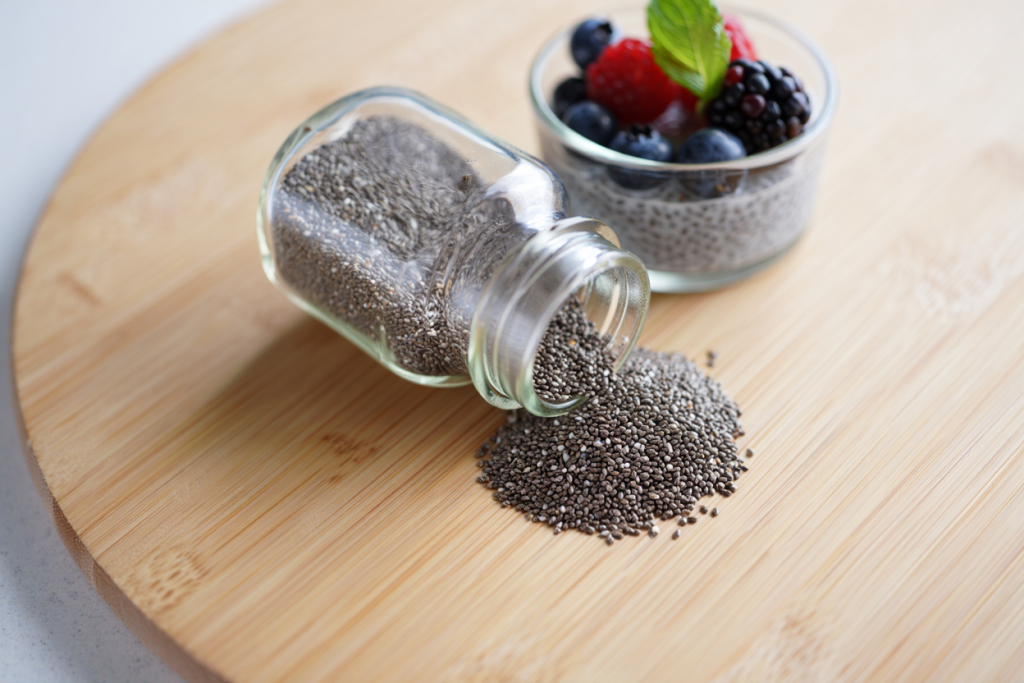
Chia seeds on a wooden spoon – these tiny seeds pack fiber, protein and omega-3s to support digestion, heart health, skin, and more.
Nutritional Profile of Chia Seeds
Chia seeds boast an impressive nutrient profile. Per 28g (1 oz) serving, chia seeds contain about:
- Calories: 138
- Protein: 4.7 g (complete plant protein)
- Fat: 8.7 g (including ~5 g of omega-3 ALA)
- Carbs: 11.9 g (of which ~10 g is fiber)
- Fiber: ~10 g (about 35% fiber by weight)
- Calcium: ~14% DV, Magnesium: ~23% DV, Phosphorus: ~20% DV, plus iron and zinc.
Notably, more than 80% of the carbohydrate in chia is fiber. This high fiber (both soluble and insoluble) aids digestion by acting as a prebiotic and bulking agent in the gut. Chia seeds are also gluten-free and rich in antioxidants (e.g., chlorogenic acid, quercetin) that protect cells from damage. Because about 60% of their fat is the plant-based omega-3 ALA, chia seeds are one of the best vegan sources of omega-3s, even surpassing flaxseeds. This fatty-acid profile is linked to lower cholesterol and blood pressure, giving chia seeds intrinsic heart-healthy potential.
Key Nutrients in Chia (per 1 oz): fiber, omega-3 (ALA), complete protein, calcium, magnesium, phosphorus, zinc, vitamins (B1, B3). These nutrients form the basis of many health claims below.
Chia Seeds Benefits for Digestion and Weight Loss
Chia seeds benefits for digestion are largely driven by their fiber and water-absorbing gel. When chia seeds are eaten or soaked, they swell and form a slick gel coating that promotes regular bowel movements and a healthy gut lining. This combination of soluble and insoluble fiber can help relieve constipation and normalize digestion. In fact, chia fiber is known to improve “bowel regimens” and overall digestive comfort. Drinking chia seed water (a gelled chia drink) has become popular for aiding digestion – the fiber plus hydration works like an “internal shower,” keeping things moving smoothly.
Similarly, many of the chia seeds benefits for weight loss stem from this fiber content. A fiber-rich diet promotes satiety, meaning you feel full longer. Research shows that consuming chia seeds with a meal can increase feelings of fullness and reduce subsequent calorie intake. For example, a study found that adding chia to yogurt made participants feel more satisfied and eat less later. Over time, this may contribute to modest weight loss. In a 6-month trial of overweight diabetic adults, those who consumed 30g of chia seeds daily (along with a calorie-restricted diet) lost significantly more weight than a placebo group. However, it’s important to note that chia seeds alone aren’t a magic weight-loss cure – they work best as part of a balanced diet and lifestyle.
- Fiber for Fullness: ~10g fiber/oz supports appetite control.
- Protein for Satiety: Contains plant protein to help reduce cravings.
- Gel Effect: Absorbs water (10–12x its weight) to slow digestion and curb overeating.
- Digestive Aid: Hydrating gel helps relieve constipation and gut inflammation.
Including chia seeds in breakfast or snacks (e.g. chia pudding, smoothies) is an easy way to leverage these weight and digestion benefits.
Chia Seeds Benefits for Heart Health
Chia seeds are notable for their cardiovascular benefits. Their high omega-3 ALA and fiber content can help improve key heart-health markers. For example, the soluble fiber in chia is known to lower LDL (“bad”) cholesterol and reduce blood pressure. In lab studies and small trials, chia consumption is associated with anti-hypertensive effects and cholesterol reduction. The American Heart Association highlights that chia seeds (like flax) supply plant-based ALA which the body converts to heart-healthy omega-3s. These nutrients – along with magnesium, potassium, and antioxidants – work synergistically to protect the heart.
One study of obese diabetics found that daily chia intake led to a 40% drop in C-reactive protein, a marker of cardiovascular inflammation. Lower inflammation and improved lipid profiles translate to lower risk of heart disease. The omega-3s in chia have also been linked to improved blood vessel function and reduced clotting. All together, regular chia consumption supports cardiovascular health, making it one of the key chia seeds benefits for heart (and stroke) prevention.
- Blood Pressure: The ALA and arginine in chia help relax blood vessels, lowering hypertension.
- Cholesterol: Soluble fiber binds bile and cholesterol, aiding in reduction of LDL.
- Inflammation: Omega-3s and antioxidants reduce inflammation (e.g. CRP) around arteries.
By including chia seeds (e.g. in oatmeal or salads), you’re harnessing nature’s own heart-health booster.
Chia Seeds Benefits for Diabetics
For people with diabetes or prediabetes, chia seeds can be particularly beneficial. The high fiber and protein in chia slow the absorption of sugar into the bloodstream, leading to better glycemic control. Medical reports note that chia consumption is linked to improved blood sugar control and glycemic response. In one analysis, adding chia to a carbohydrate meal significantly blunted the post-meal blood sugar spike (compared to the same meal without chia). This is likely due to the gel-forming property of chia, which slows digestion of carbs.
Additionally, chia’s omega-3s and minerals (magnesium) have been shown in some studies to improve insulin sensitivity. While research is still emerging, many dietitians recommend chia seeds as part of a diabetic-friendly diet because of their fiber and nutrient profile. Anecdotally, chia fresca (watered chia drink) is used to help stabilize blood glucose and appetite.
- Fiber and Satiety: Stabilizes blood sugar and reduces insulin spikes.
- Metabolic Support: ALA and magnesium from chia may improve insulin response over time.
- Healthy Weight: By aiding weight loss (see above), chia indirectly helps improve diabetes control.
In short, chia seeds benefits for diabetics include better blood sugar regulation and supportive heart health – both critical aspects of diabetes care.
Chia Seeds Benefits for Skin and Hair
Beyond internal health, chia seeds pack beauty benefits. They are rich in omega-3s and antioxidants that nourish the skin and scalp from within. Regular consumption has been shown to hydrate the skin and help retain moisture. The omega-3 fatty acids in chia form skin-healthy fatty acids (sometimes called vitamin F), strengthening the skin’s barrier and reducing dryness. Chia seeds’ antioxidants (vitamins A and E, as well as phenolic compounds) protect skin cells from UV damage and aging. Studies even indicate that chia nutrients can boost collagen and elastin by inhibiting enzymes that degrade them, resulting in firmer, more youthful skin.
Similarly, chia seeds benefits for hair stem from their protein and mineral content. They are a complete protein (containing all essential amino acids). This, combined with zinc and copper in chia, promotes hair growth and strength. Good Housekeeping notes that chia seeds contain ~20% more protein than soybeans and can help keep your scalp healthy. The omega-3s and antioxidants also nourish hair follicles. Regular chia intake is often linked to shinier, thicker hair and reduced breakage.
- Hydration: Fats in chia help the skin retain moisture.
- Anti-Aging: Omega-3s and antioxidants combat free radicals and inflammation that age skin.
- Minerals: Zinc and copper in chia support collagen production and hair growth.
- Protein: The high-quality protein helps in tissue repair – beneficial for both skin cells and hair follicles.
In short, adding chia seeds to your diet can give you a natural glow and help maintain healthy hair. (For external use, chia oil is also found in some skincare products for these very reasons.)
Chia Seeds Benefits for Men and Women
Chia seeds are a gender-neutral superfood – both men and women can reap their rewards, sometimes in different ways. For men, chia’s muscle-building protein and omega-3 fatty acids are especially valuable. Adequate protein supports muscle repair and metabolism, which can help maintain lean muscle mass. Omega-3s benefit men’s heart and brain health, areas often at higher risk for aging men. Men also need nutrients like zinc and magnesium (found in chia) for testosterone production and prostate health. In practice, chia seeds benefits for men include improved workout recovery, heart support, and steady energy levels throughout the day.
For women, chia shines in areas like bone health and hormonal balance. Chia seeds are high in calcium and magnesium – minerals crucial for women’s bone density, especially post-menopause. The fiber in chia can help stabilize estrogen levels (by aiding digestion), potentially easing PMS symptoms and keeping hormones in check. Omega-3s may reduce menstrual cramps and support mood. Plus, many women enjoy chia for its skin- and hair-enhancing properties (see above). Women who struggle with evening cravings often find that a spoonful of chia seeds before meals helps control appetite.
To summarize, both genders benefit from chia’s nutrient density. Chia seeds benefits for men often focus on muscle, heart, and hormonal health, while women may emphasize bone strength, skin health, and balanced blood sugar. Ultimately, the chia effect is holistic – supporting vitality and wellness for everyone.
Chia Seeds Benefits Before Bed
Consuming chia seeds before bedtime can be a smart move for better sleep and overnight recovery. As Shape magazine notes, the high protein and fiber in chia promote satiety, which can prevent midnight hunger and help you fall and stay asleep. Moreover, chia’s omega-3s have been linked in studies to improved sleep quality; one randomized trial found that higher DHA/EPA intake led to longer and more restful sleep. Another bonus: by stabilizing blood sugar, chia may prevent late-night blood sugar dips that can disrupt sleep.
A popular nighttime snack is chia pudding (chia seeds soaked in milk or yogurt). This not only tastes delicious with berries but also delivers steady energy and fullness through the night. Many people find that a small serving of chia pudding before bed helps them wake up refreshed. Of course, it’s important to allow some digestion time (eat it at least 30 minutes before sleeping) and stay hydrated.
Chia Before Bed Tips:
- Mix 1–2 tbsp chia with milk or plant milk, let it gel (overnight or 15 min).
- Add a little fruit or cinnamon for flavor.
- The evening timing allows fiber and protein to work overnight.
By including chia seeds in your evening routine, you harness their slow-release energy to sleep better and feel less groggy in the morning.
Chia Seeds Benefits with Water (Chia Water)
A simple way to enjoy chia seeds is by drinking chia water. Simply stir a tablespoon or two of chia seeds into a glass of water (add lemon or honey if desired) and let it sit until a gel forms. This traditional Mexican drink (also called chia fresca or iskiate) combines chia’s benefits with hydration. When chia seeds gel in water, they release their soluble fiber, which helps keep you full, aids digestion, and soothes hunger pangs.
Chia seed water is also touted for electrolyte replenishment. The magnesium, potassium, and minerals in soaked chia (along with the water) may help maintain fluid balance, making it a DIY sports drink of sorts. While research is limited, many people report feeling more hydrated and energized when sipping chia water during the day. It’s especially popular for detox or morning routines.
- Digestion & Fullness: The gel slows digestion and curbs appetite between meals.
- Hydration: Holds fluids and provides electrolytes (Magnesium, potassium).
- Easy to Make: 1 tbsp chia + 1 cup water (mash seeds lightly so they don’t clump).
Whether you call it chia fresca or simply chia water, this drink is a quick way to tap into chia seeds benefits with water. Just remember to drink it slowly and always follow with extra water, as concentrated chia gel can be very filling.
Tips to Incorporate Chia Seeds
Adding chia seeds to your diet is simple and delicious. Here are some practical ideas:
- Chia Pudding: Stir chia seeds into milk (dairy or plant) and refrigerate until thick. Top with berries or nuts for a nutritious snack or breakfast.
- Smoothie Booster: Sprinkle 1–2 tbsp chia into your morning smoothie for extra fiber and omega-3s.
- Yogurt or Oatmeal: Mix chia seeds into yogurt or oatmeal. They blend right in and add a crunchy texture and nutritional boost.
- Baking Substitute: Use chia gel (1 tbsp chia + 2 tbsp water) as an egg replacer in baking. It binds ingredients and adds nutrients.
- Salads and Soups: Sprinkle raw chia on salads or stir into soups just before serving. They absorb flavors and thicken dressings.
- Hydrating Drink: Make chia water (chia fresca) by soaking seeds in water or juice for 10–15 minutes. Drink it chilled for a refreshing twist.
Step-by-Step (Chia Pudding):
- Combine 2 tbsp chia seeds with ½ cup milk or yogurt in a jar.
- Stir well (so seeds don’t clump) and refrigerate for at least 30 minutes or overnight.
- In the morning, stir again and enjoy with fruit, honey or nuts.
These quick tips ensure you get all the chia seeds benefits in everyday meals. You can experiment – chia absorbs flavors well, so it works in sweet and savory dishes alike.
Frequently Asked Questions
Q: How many chia seeds should you eat daily?
A: A common serving is 1–2 tablespoons (15–30g) of dry chia seeds per day. This provides plenty of fiber and omega-3s without excess calories. If new to chia, start with 1 tbsp and drink plenty of water to avoid digestive discomfort.
Q: What are the main nutrients in chia seeds?
A: Chia seeds are rich in dietary fiber, plant protein, omega-3 fatty acids (ALA), calcium, magnesium, phosphorus, and antioxidants. They contain about 10g fiber, 5g protein, and 5g ALA per ounce, plus significant amounts of vitamins B1 and B3.
Q: Can chia seeds help with weight loss?
A: Chia seeds can support weight management through their high fiber and protein content, which promote satiety. Some studies show mild weight loss benefits when combined with a calorie-controlled diet. However, chia seeds are not a magic solution alone; they are best used as part of a balanced diet and exercise plan.
Q: Are chia seeds good for diabetics?
A: Yes. Chia seeds benefits for diabetics include better blood sugar regulation. The gel-forming fiber slows carb absorption, reducing glucose spikes. Studies have found that chia can improve insulin sensitivity and lower post-meal blood sugar levels. Diabetics should still monitor portion sizes (for carbs) but may find chia a helpful addition to meals.
Q: Can I eat chia seeds before bed or soak them in water?
A: Eating chia seeds (or chia pudding) before bed can help with fullness and sustained energy, potentially improving sleep quality. Soaking chia seeds in water (chia water) is a popular way to consume them – it creates a hydrating gel that’s easy to drink. Chia fresca (watered-down chia) may aid digestion and hydration. Always consume soaked chia with plenty of water to avoid any discomfort.
Conclusion
Chia seeds benefits span many aspects of health – from digestion and weight management to skin, hair, and heart health. They are an easy, gluten-free superfood to add to your routine. Scientific evidence shows chia seeds can improve fiber intake, lower cholesterol and blood sugar, and support hydration. Whether you’re male or female, young or elderly, incorporating these little seeds can naturally boost your health.
So why not give chia seeds a try? Start your day with a spoonful on yogurt or blend a chia smoothie tomorrow. Share your favorite chia recipes or experiences in the comments below! If you found these chia seeds benefits helpful, share this article with friends and family – spread the health boost, one seed at a time.