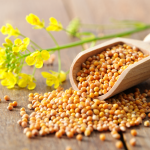
Nigella sativa (black cumin) flower – the source of black seed oil. Black seed oil, extracted from the seeds of the Nigella sativa plant, has been treasured for thousands of years as a natural remedy. Known also as black cumin or kalonji, the tiny seeds yield a dark oil rich in bioactive compounds. Traditional healers from Ancient Egypt to Greece and Asia used black seed oil for a wide range of ailments. Today, modern science is rediscovering its potential: studies show black seed oil has antibacterial, anti-inflammatory and antioxidant properties. Its active ingredient, thymoquinone, may help soothe inflammation and support immunity. For example, health researchers note that black seed oil may “balance and support both innate and acquired immune function”. In this comprehensive guide, we explore the benefits, uses, and safety of black seed oil, bridging its ancient legacy with evidence-based applications in our modern lives.
Nigella sativa black seeds – the source of black seed oil. Black seed oil is derived from these tiny black cumin seeds. The oil is obtained by cold-pressing or extraction, capturing nutrients such as thymoquinone, essential fatty acids, vitamins and minerals. In fact, research confirms thymoquinone’s role: it’s the main active compound in black seed oil, known for potent antioxidant and anti-inflammatory effects. Ancient texts and recent studies both highlight its value. For instance, black seeds were even found in Pharaoh Tutankhamun’s tomb, and rulers like Cleopatra used black seed oil in beauty routines. The Prophet Muhammad famously called it “a cure for every disease,” underscoring its sacred reputation. Today we examine what science says about black seed oil benefits, from hair and skin care to immune support and metabolic health.
What Is Black Seed Oil?
Black seed oil is the oil pressed from Nigella sativa seeds (commonly called black cumin, black caraway, or kalonji). Traditionally, people have consumed the seeds whole or in oil form to treat illnesses. Unlike typical cooking oils, black seed oil is rich in bioactive phytochemicals. Its most studied compound, thymoquinone, has been shown to exert powerful antioxidant and anti-inflammatory activities. In other words, black seed oil doesn’t just feed the body; it interacts with cells and enzymes in beneficial ways. This may explain its role in natural therapies: for example, researchers note that black seed oil can “inhibit excessive nitric oxide production” and modulate immune cells like T-cells. In practical terms, black seed oil can be used in cooking (a few drops in a dish or salad), applied topically to skin and hair, or taken as a supplement (capsule or tincture) for health.
Ancient Origins and Historical Use
Black seed oil’s history is rich and storied. Archaeologists found black seeds in the tomb of Pharaoh Tutankhamun (1323 BC), suggesting its ritual or medicinal importance. Both Cleopatra and Nefertiti reportedly used black seed oil in their beauty regimens, hinting at its early use in skin care. In ancient Greece, the physician Hippocrates (460–370 BC) recommended black seed for conditions like fever, asthma, and digestive issues. The Greek herbalist Dioscorides (1st century AD) also described its healing properties in De Materia Medica. In Islamic tradition, the Prophet Muhammad (7th century AD) praised black seed as a divinely given remedy: “For every disease there is a cure in black seed,” he declared. Persian physician Avicenna (Ibn Sina) included black seed in his Canon of Medicine around the year 1000, noting its widespread use. All these references underscore that black seed oil has been valued as a panacea in many cultures for millennia.
Key Benefits of Black Seed Oil
Contemporary research is beginning to validate many traditional claims. Laboratory and clinical studies suggest black seed oil offers a range of benefits for the skin, hair, immune system, and metabolic health. Below are some of the most commonly cited black seed oil benefits:
- Skin health: Black seed oil’s antimicrobial and anti-inflammatory actions help with skin conditions. Studies show it may reduce acne severity. For example, a 2020 trial reported a topical black seed extract gel cut acne lesions by 78% over 60 days. It may also improve psoriasis and eczema; animal studies indicate reduced skin inflammation and improved lesions. Additionally, the oil promotes wound healing: thymoquinone can stimulate tissue repair and collagen, helping burns and cuts heal faster.
- Hair and scalp health: Black seed oil supports fuller, healthier hair. It contains nutrients like thymoquinone, nigellone, and fatty acids that nourish follicles. In a small placebo-controlled study of telogen effluvium (stress-related shedding), 70% of participants using black seed oil saw significant increases in hair density and thickness. Likewise, its antioxidants may combat oxidative stress linked to hair loss. Users often apply it in shampoos or serums, where its antimicrobial properties can soothe dandruff and scalp infections (like seborrheic dermatitis).
- Immunity and respiratory health: Research suggests black seed oil can modulate immune function. It appears to inhibit pro-inflammatory cytokines and support antioxidant enzymes in the body. One small study found that inhaled black seed extract improved lung function in asthma patients, and a meta-analysis showed overall asthma symptoms eased with supplementation. For allergies, topical black seed oil relieved hay fever (allergic rhinitis) symptoms in 92% of subjects in one trial. In COPD patients, 1-gram capsules twice daily improved pulmonary function over three months. These findings suggest black seed oil could be a beneficial adjunct for respiratory and immune support.
- Anti-inflammatory effects: Chronic inflammation underlies many diseases. Black seed oil’s anti-inflammatory compounds help quench this process. Clinical studies have found it can lower markers of inflammation and even relieve autoimmune symptoms. For example, a review of research noted that black seed oil reduced rheumatoid arthritis joint pain in a small trial. Laboratory data also suggest potential anticancer activity via inflammation regulation. Overall, its inflammation-blocking action aligns with many of its uses (skin, joints, airways, etc.).
- Metabolic health (weight, blood sugar, cholesterol): Black seed oil may aid metabolic syndrome. A study of overweight women found that 2,000 mg daily for 8 weeks reduced BMI, body weight, waist circumference and appetite. Another trial gave participants 2.5 mL twice a day (about 5 mL total) and saw drops in blood pressure, fasting glucose, total and LDL cholesterol. Additionally, a 2019 review concluded that black seed oil can improve insulin and blood sugar levels. While diet and exercise remain primary, these results indicate black seed oil could support healthy weight and blood sugar management.
These benefits are supported by both modern studies and long-standing folklore. It’s important to note that most research is still preliminary. Many trials are small or short-term, so black seed oil should not replace proven treatments. However, its broad actions make it a promising companion therapy.
How to Use Black Seed Oil
Black seed oil is versatile. It’s sold as a culinary oil, dietary supplement, or ingredient in cosmetics. Common forms include:
- Cold-pressed oil (liquid): Taken by mouth (usually up to a teaspoon per day) or applied directly to the skin/scalp. Because of its strong flavor, some mix it into honey or smoothies. When used on hair, it’s typically massaged into the scalp (often mixed with a carrier oil) and left on for up to an hour before washing.
- Capsules/Tablets: These provide a convenient daily dose without the taste. Most contain oil standardized to a certain thymoquinone content. For instance, clinical studies often use 500–1000 mg capsules (about 1–2 of a 500 mg capsule per day) to achieve the doses mentioned above.
- Topical creams/soaps: Some skin creams and acne treatments include black seed oil for its antibacterial effect. Herbal ointments may combine it with honey or beeswax. People sometimes apply it to cuts, rashes or eczema.
Given its multifaceted actions, black seed oil has many uses. In the kitchen, it’s a spice oil that can flavor dishes (a little goes a long way). In traditional medicine, people mix it into herbal remedies or honey syrups. For wellness, one might take a daily capsule for general health or immune support. Notably, research sometimes pairs it with other ingredients. For example, a trial combined black seed oil and honey to test on COVID-19 patients (the results are pending). But the basic takeaway is that whether ingested or used topically, black seed oil should be high-quality and preferably cold-pressed (to preserve nutrients). Look for reputable brands or third-party tested products to ensure purity.
Dosage and Safety of Black Seed Oil
While black seed oil is generally considered safe at low doses, it’s potent and should be used responsibly. Here are key guidelines:
- Dosage: Studies have used a wide range. For general health, 1–2 teaspoons (about 4–10 mL) daily is common in supplements. In medical studies: 500–2000 mg (0.5–2 g) of oil per day has been used for weight loss or blood sugar control. One hypertension study used 2.5 mL twice daily. Another review cited blood sugar studies with 0.7 g, 3 g, and 5 mL doses. As a rough guide: start with a small dose (like 500 mg or 1/4 tsp) to test tolerance, then work up. Because the FDA does not regulate supplements tightly, it’s wise to follow label instructions and consult a healthcare provider for personalized advice.
- Timing: Black seed oil can be taken with meals. Some suggest taking it in the morning or splitting it (with breakfast and dinner) to minimize any stomach upset. Capsules are often swallowed with water. Topically, it can be applied once daily or a few times per week as a mask or lotion.
- Side Effects: Most people tolerate black seed oil well, but some side effects have been reported. Ingested oil may cause gastrointestinal upset, nausea, or a drop in blood sugar/blood pressure if taken in large amounts. When applied to the skin or scalp, allergic contact dermatitis (rash, itching, redness) can occur in sensitive individuals. Therefore, perform a patch test: rub a drop on the inner wrist or elbow and wait 24 hours to check for irritation. If any adverse reaction occurs (rash, severe itch, swelling), discontinue use immediately.
- Interactions and Precautions: Black seed oil has mild blood-thinning (anticoagulant) properties. People on blood thinners (like warfarin) or those with bleeding disorders should be cautious, as it may increase bleeding risk. Also, because it can lower blood sugar, diabetics should monitor their levels and inform their doctor before adding it. Pregnant or breastfeeding women should avoid black seed oil supplements, as its safety in pregnancy is not established. Additionally, stop using it 1–2 weeks before surgery due to bleeding risk. Kidney and liver disease patients should also consult a doctor first.
In summary: safe use means moderate doses, awareness of interactions, and professional guidance. As the Cleveland Clinic notes, while black seed oil “may sound tame,” it is pharmacologically active like a drug. Always err on the side of caution: if you’re on medication or have a health condition, talk to a healthcare provider before starting black seed oil.
Black Seed Oil vs. Castor Oil
Black seed oil is often compared with other natural oils, especially castor oil, another popular hair and health remedy. While both have benefits, their properties differ:
- Source and Composition: Castor oil comes from the Ricinus communis seed and is extremely viscous and rich in ricinoleic acid. Black seed oil (Nigella sativa) is thinner and rich in thymoquinone and linoleic acid.
- Hair and Scalp Effects: Castor oil is famed for deep hydration and sealing moisture into hair. It often leads to stronger, shinier hair shafts. Black seed oil, by contrast, is prized for soothing the scalp and reducing inflammation. One review notes: “Both oils offer unique benefits… castor oil often delivers more noticeable improvements in hair strength and thickness. Black seed oil excels at soothing inflamed scalps and supporting follicle health”. In practice, castor oil tends to make hair feel very thick and conditioned (sometimes mixed with lighter oils to ease application), whereas black seed oil supports follicle health and can be gentler for oily scalps.
- Skin and Other Uses: Castor oil is gentle on the skin and widely used as a laxative or skin moisturizer. Black seed oil has more pronounced antimicrobial/anti-inflammatory effects, making it useful for conditions like acne or eczema.
- Choosing Between Them: Often they’re used together in hair treatments. For example, combining black seed oil (for scalp health) with castor oil (for hair strength) can give synergistic benefits. In summary, castor oil is a workhorse moisturizer, while black seed oil is the anti-inflammatory “health tonic.” Which is better depends on your goal: for raw hair hydration, castor oil wins; for calming a sensitive scalp and boosting immunity, black seed oil may be preferable.
Black Seed Oil Uses and Forms
People use black seed oil in many ways:
- Dietary supplement: Taken as capsules (often 1000 mg each) for general health. These are convenient for people who dislike the taste. Some supplement labels claim uses like immunity or digestion support.
- Culinary oil: A drizzle of the oil or a teaspoon of ground seeds can flavor Middle Eastern-style dishes like hummus, stews or breads. It has a pungent, slightly peppery taste.
- Topical applications: Applied directly to skin for acne, psoriasis or general skin care (often mixed into creams or carrier oils). Used in hair masks/shampoos for hair health. Traditional remedies include mixing it with honey or coconut oil.
- Immunity boost: Though not a medicine, some take black seed oil daily during cold/flu season or as a general immune tonic. Research on COVID-19 symptom relief combined it with honey in trials.
- Wellness routines: It’s found in natural beauty products, beard oils, and even pet supplements. As one nutrient review points out, black seed oil is being investigated for everything from metabolic health to cancer prevention, so its use is spreading.
The takeaway: black seed oil’s uses span culinary, cosmetic, and medicinal realms. Its versatility is one reason it’s sometimes called a “superfood” (though regulatory agencies do not officially recognize that term). Whatever the use, buy high-quality oil and follow dosage and safety guidelines.
FAQs
Q: What is black seed oil?
A: Black seed oil is the cold-pressed oil from Nigella sativa seeds. It’s also called black cumin oil or kalonji oil. The oil contains compounds like thymoquinone, which give it antioxidant and anti-inflammatory effects. Historically, it’s been used as a traditional remedy for many conditions.
Q: What are the benefits of black seed oil?
A: Research suggests black seed oil may help with acne and skin inflammation, support hair thickness and health, and aid immunity and respiratory conditions (e.g. asthma, allergies). It has anti-inflammatory, antimicrobial, and antioxidant properties. Studies have found potential benefits for blood sugar, cholesterol and weight management. However, many claims are still under study, so it shouldn’t replace medical treatment.
Q: How can I use black seed oil for hair and skin?
A: For hair, apply a small amount of black seed oil (or a mix of black seed and a carrier oil) directly to the scalp, massage it in, and leave for 30–60 minutes before washing. It may improve scalp health and reduce hair loss associated with inflammation. For skin, you can add a drop to lotions or mix with honey and apply as a mask to acne or psoriasis areas. Always do a patch test first to check for any reaction. Many users report shinier hair and clearer skin over weeks of use.
Q: What is a good dosage of black seed oil?
A: Clinical studies have used anywhere from 0.5g to 5g of black seed oil per day. A practical recommendation is 1–2 teaspoons (about 5–10 mL) daily, or one 1000 mg capsule twice a day. For specific benefits: 2,000 mg/day was used in a weight-loss study; 2.5 mL twice daily lowered blood pressure and glucose. Start with a lower dose (e.g. 500 mg) and see how you feel. Do not exceed the label recommendation unless advised by a healthcare professional.
Q: Are there side effects of black seed oil?
A: Black seed oil is generally safe in small amounts, but side effects can occur. Oral use may cause stomach upset, nausea or low blood pressure in some people. Topical use can cause a rash or itching if you’re allergic. Also, it can act as a blood thinner. Avoid it if you have bleeding disorders or before surgery. Pregnant or nursing women should not use high-dose black seed oil. If any adverse effects happen, stop use. As one expert notes: herbal medicines like black seed oil have real pharmacological effects, so they require the same caution as drugs.
Q: Can black seed oil boost immunity?
A: Evidence suggests it may support immune function. Compounds in black seed oil have immunomodulatory properties that help regulate inflammation and improve immune cell activity. For example, animal studies show it can inhibit inflammatory cytokines and increase antioxidant enzymes. Some human studies (like trials on allergies and asthma) hint at immune benefits. While it’s not a cure, taking black seed oil as part of a balanced diet could complement your immune health efforts.
Q: How does black seed oil compare to castor oil?
A: Both oils are used for hair and health, but they’re quite different. Castor oil is very thick and moisturizing, rich in ricinoleic acid, and excellent at strengthening hair strands. Black seed oil is lighter and prized for its anti-inflammatory and antimicrobial compounds. One review notes that castor oil tends to give quicker, more noticeable increases in hair thickness, whereas black seed oil is better at soothing the scalp and nourishing follicles. In other words, castor oil works on the hair shaft to lock in moisture and shine, while black seed oil works at the scalp to promote a healthy environment for growth. Many people use both together for maximum benefit.
Conclusion
Black seed oil, the ancient remedy from Nigella sativa, truly lives up to its nickname as the “cure for everything but death.” Modern research confirms it’s packed with antioxidants and anti-inflammatory compounds that can benefit the skin, hair, immune system and more. While it’s not a miracle cure, studies show it may reduce acne and psoriasis, improve hair density, aid asthma and allergies, and support healthy weight and blood sugar. To get the most from it, use a reputable, cold-pressed oil or capsule, follow dosage guidelines, and be aware of possible side effects. Always consult your doctor before starting any new supplement, especially if you have health conditions or take medications.
Ready to tap into this ancient wellness secret? Try adding black seed oil to your routine, and share your experience! Found this guide helpful? Please share it on social media and let us know in the comments how black seed oil has worked for you.