Chia seeds are tiny but mighty. Packed with fiber, protein, omega-3 fatty acids, and antioxidants, they pack a nutritional punch. Ancient Aztecs and Mayans prized these seeds, and today they’re celebrated as a modern “superfood” for sustained energy and overall health. In this article, we explore chia seeds’ nutritional profile, health benefits, and how to incorporate them into your diet for daily vitality. (And yes – chia seeds really can help keep you energized all day.)
Chia Seeds Nutrition Facts (Nutritional Profile)
Chia seeds are remarkably nutrient-dense. Just one ounce (about 2 tablespoons) of dried chia seeds contains roughly 138 calories, 5 grams of protein, 9–10 grams of dietary fiber, and about 5 grams of omega-3 fats. They also offer significant micronutrients: for example, one ounce provides about 18–24% of the DV for calcium, 23% for magnesium, and 20% for phosphorus.
- Fiber: ~10g per ounce (about 35% of weight), largely soluble fiber, which forms a gel-like substance in water.
- Protein: ~4.7–5g per ounce, a complete plant protein containing all nine essential amino acids.
- Omega-3 Fats: ~5g (mostly ALA, alpha-linolenic acid), important for heart and brain health.
- Fat: ~9g (mostly healthy polyunsaturated fats).
- Carbohydrates: ~12g, of which nearly 10g is fiber.
- Vitamins & Minerals: Good sources of calcium, magnesium, phosphorus, zinc, and B vitamins (thiamine, niacin).
This unique nutritional profile – high fiber and protein plus healthy fats – makes chia seeds a superfood for energy and health. The fiber and fats slow digestion, helping to provide a steady energy supply and prolong feelings of fullness.
Key Health Benefits of Chia Seeds
Chia seeds offer a wide range of health benefits supported by science. Below are some of the main advantages:
- Sustained Energy & Satiety: The combination of fiber, protein, and healthy fats means chia seeds release energy slowly. The soluble fiber forms a gel in the stomach, slowing carbohydrate absorption and keeping you full longer. This may help with steady energy throughout the morning, as well as appetite control. For example, research shows that chia seeds form a gel-like coating in the digestive tract that increases fullness and reduces appetite. This satiating effect can aid in weight management – by taking the edge off hunger, you’re less likely to overeat. (Several studies suggest that adding chia to a balanced diet may support weight loss, though results vary.)
- Heart Health: Chia seeds are rich in omega-3 fatty acids (ALA), fiber, and antioxidants – all known to support cardiovascular wellness. The ALA in chia seeds helps lower “bad” LDL cholesterol and can raise protective HDL cholesterol. Additionally, their fiber content aids in lowering blood pressure and triglycerides. Studies find that chia’s nutrients may reduce cardiovascular risk factors: regular chia intake has been linked to lower blood pressure and reduced levels of harmful cholesterol.
- Digestive Support: With about 10 grams of fiber per ounce, chia seeds fuel digestive health. The soluble fiber absorbs water, bulking up stool and promoting regularity. It also acts as a prebiotic, feeding beneficial gut bacteria. Adequate fiber intake is associated with lower rates of constipation, hemorrhoids, and diverticulosis. In short, adding chia seeds to your diet can help keep things moving smoothly and support a healthy gut.
- Blood Sugar Regulation: Chia fiber and protein can help stabilize blood sugar. By slowing the absorption of sugar, chia seeds may prevent spikes and crashes in glucose levels. Though more human research is needed, this effect suggests chia can be useful in a balanced diet for blood sugar control.
- Rich in Antioxidants: Chia seeds contain several potent antioxidants – including caffeic acid, chlorogenic acid, and quercetin. These compounds neutralize free radicals and protect cells from oxidative damage, which helps combat aging and disease. Regular consumption of antioxidants from chia seeds may help protect your body against inflammation, heart disease, and even certain cancers.
- Complete Protein: As noted, chia seeds supply all nine essential amino acids. The protein in chia seeds helps stabilize blood sugar and supports muscle repair. Because they contain complete plant protein, chia seeds are especially valuable for vegetarians, vegans, and athletes.
- Bone & Mineral Support: Chia seeds are an excellent plant source of calcium and magnesium. One serving provides a significant fraction of your daily needs. These minerals are crucial for bone health, muscle function, and nerve signaling. Incorporating chia seeds can help meet calcium requirements, especially for those on dairy-free diets.
- Skin & Anti-Aging (Chia Seeds for Skin): Chia seeds do more than nourish from the inside. They may also benefit your skin. The omega-3 oils and antioxidants in chia help the skin retain moisture and fight inflammation. Research suggests chia compounds (especially chia oil) can strengthen the skin barrier, reduce dryness, and protect against oxidative stress. In other words, eating chia seeds regularly can help hydrate your skin and reduce visible signs of aging.
Each benefit is supported by nutrition science. In summary, chia seeds are a health-boosting snack – from daily energy and digestion to heart and skin health.
Chia Seeds vs. Flax Seeds (Nutritional Comparison)
Both chia seeds and flax seeds are nutrient-rich, but they differ slightly. Per ounce, chia seeds contain more fiber and calcium, while flax seeds have a bit more total fat and omega-3s. A 1-oz serving comparison shows:
- Calories: Chia 138 vs. Flax 150
- Fiber: Chia ~10g vs. Flax ~8g
- Protein: ~5g for both
- Omega-3 (ALA): Slight edge to flax
- Calcium: Chia 14% DV vs. Flax 6% DV
- Magnesium: Flax 26% DV vs. Chia 23% DV
In short, chia seeds provide more fiber and calcium, supporting digestive and bone health, while flax seeds are slightly higher in healthy fats and provide more copper. Both seeds offer antioxidants and protein. You can use either (or both) in recipes, but chia’s neutral taste and gel-forming ability make it especially versatile.
How to Eat Chia Seeds: Tips & Recipes
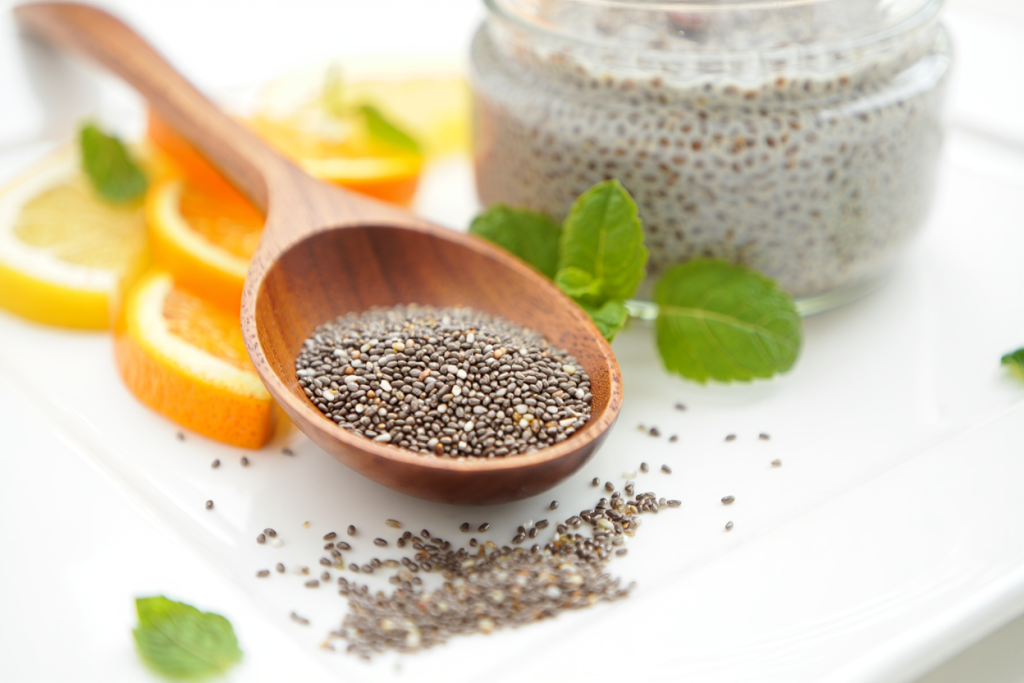
Chia seeds are incredibly easy to incorporate into foods. They have a mild, nutty flavor and will gel when mixed with liquid. Here are some popular ways to eat them:
- Sprinkle on Breakfast: Add a spoonful of chia to your yogurt, cereal, oatmeal, or smoothie bowl. They add a crunchy texture when raw and gel up when wet.
- Make Chia Pudding: Mix 2–3 tablespoons of chia seeds with 1 cup of milk (dairy or plant-based). Stir well and refrigerate for a few hours or overnight. The chia will absorb the liquid, creating a thick, pudding-like snack or breakfast. Flavor it with vanilla, cocoa, or fruits.
- Overnight Oats: Stir chia seeds into your overnight oats mixture. As the oats soak, chia seeds swell and thicken the oats. The result is a creamy, energy-rich breakfast bowl loaded with fiber.
Overnight oats topped with berries and chia seeds provide a nutritious, energy-boosting start to the day. The omega-3s and fiber in chia keep you full and alert in the morning. - Smoothies: Blend chia seeds into fruit smoothies. They disperse evenly and add nutrients. If you let the smoothie sit a few minutes after blending, the chia will thicken it slightly. For example, a banana-berry smoothie with a tablespoon of chia delivers a quick energy boost.
A berry smoothie topped with chia seeds makes a refreshing, nutrient-packed snack. Chia adds fiber and healthy fats, turning a quick drink into a satisfying treat. - Baking & Cooking: You can use chia seeds as a partial egg substitute in baking. Mix 1 tablespoon chia seeds with 6 tablespoons water to make a chia gel; this sets like an egg binder in muffins or pancakes. Sprinkle chia into bread, waffle, or pancake batter to boost nutrition.
- Salads and Sauces: Toss soaked (sprouted) chia seeds into salads or stir them into soups, stews, and salad dressings as a thickener. The seeds absorb flavors and offer an extra nutritional punch without altering taste.
Food science blogs and dietitians note that chia seeds are versatile and practically flavorless, making them easy to slip into recipes. Below are a few simple recipe ideas:
- Chia Pudding: 3 tbsp chia, 1 cup almond milk, a dash of cinnamon, sweetener of choice. Let sit overnight and top with fruit.
- Berry Chia Smoothie: Blend 1 cup berries, 1 cup yogurt or milk, 1-2 tbsp chia, ½ banana, and a handful of spinach. Drink immediately or after chilling.
- Chia Omelette Add-on: Stir chia seeds into scrambled eggs just before cooking. They’ll absorb liquid and yield a fluffy texture.
- Chia Jam: Mash berries and mix with chia to form a quick jam without sugar.
These recipes highlight chia seeds as a daily superfood. Whether in a smoothie or overnight oats, they add lasting energy and nutrients. Bonus: chia seeds keep well for a long time and are easy to store in an airtight container.
Chia Seeds Side Effects & Precautions
Chia seeds are safe for most people, but as with any high-fiber food, there are a few cautions:
- Digestive Upset: Because chia is very fiber-rich, suddenly eating large amounts can cause bloating, gas, constipation, or diarrhea. Start with a small serving (1–2 tbsp) and drink plenty of water. Increase gradually as your body adjusts.
- Choking Risk: Dry chia seeds expand rapidly when wet. Never eat them dry or inhale them accidentally. Always soak chia seeds in water, juice, or milk before eating, or mix them into a moist food like yogurt. Pre-soaking prevents any risk of the seeds swelling in your throat or esophagus.
- Allergies: Rarely, people may have a seed allergy. If you experience itching, rash, or trouble breathing after consuming chia, seek medical help.
- Interaction with Medications: Due to their fiber, chia seeds can slightly slow digestion of medications. It’s generally mild, but if on thyroid, blood thinners, or diabetes drugs, consult a doctor about timing your chia intake.
- Nutrient Absorption: The fiber and phytic acid in chia can bind some minerals, potentially decreasing absorption in excess. Eating a balanced diet and not overconsuming any single food minimizes this concern.
In summary, chia seeds are safe and healthy for most people. To reap benefits, enjoy about 1–2 tablespoons per day, soak or mix them in liquid, and pair with fluids. This ensures comfortable digestion and maximum nutrient absorption.
Frequently Asked Questions
Q: How many chia seeds should I eat per day?
A: A common serving size is 1–2 tablespoons (about 15–30 grams) of chia seeds per day. This provides around 5 grams of protein and 5–10 grams of fiber. Beginners can start with 1 tbsp (about 10g) and increase slowly. Spread intake throughout the day and drink plenty of water to stay hydrated.
Q: Can chia seeds help with weight loss?
A: Chia seeds may support weight loss by helping you feel full longer. They’re high in fiber and protein, both linked to increased satiety. Some studies show modest weight and waist reductions when chia is added to a calorie-controlled diet. However, chia is not a magic bullet; it works best as part of an overall healthy diet.
Q: What’s the best way to eat chia seeds?
A: Chia seeds should be mixed into wet foods. Soak them in water or milk before eating (e.g., chia pudding) or sprinkle on moist foods like yogurt and oatmeal. You can also blend them into smoothies or baking recipes. Avoid eating them dry. Always let them absorb liquid so they expand safely.
Q: Are chia seeds good for skin?
A: Yes. Chia seeds are rich in omega-3s, antioxidants, and vitamins that help hydrate skin and fight aging. These nutrients improve skin barrier function and reduce inflammation. Some people even use chia seed oil topically for extra skin moisture. Eating chia seeds regularly can contribute to a healthier, more radiant complexion.
Q: How do chia seeds compare to flax seeds?
A: Both chia and flax offer similar benefits as high-fiber, omega-3-rich seeds. Chia seeds provide more fiber and calcium per serving, while flax seeds provide slightly more omega-3 fats. Flax seeds must be ground for best absorption, whereas chia can be eaten whole. Both are excellent choices; you can rotate or combine them for variety.
Conclusion
Chia seeds are a tiny yet powerful superfood. Rich in fiber, protein, omega-3 fats and antioxidants, they help sustain energy, support heart and gut health, and even promote glowing skin. Adding just a spoonful to your diet – in smoothies, oatmeal, overnight oats, or yogurt – delivers big nutrition with little effort.
As part of a balanced diet, chia seeds can be your ally for daily energy and wellness. Remember to soak them before eating and stay hydrated to enjoy their full benefits safely.
Have you tried chia seeds yet? Share this article and let us know in the comments how you like to enjoy them – chia pudding, smoothies, or maybe a chia-infused recipe of your own! (Your tips might inspire others.) Staying energized and healthy is easier with chia on your side, so grab that spoon and get blending or baking today.